

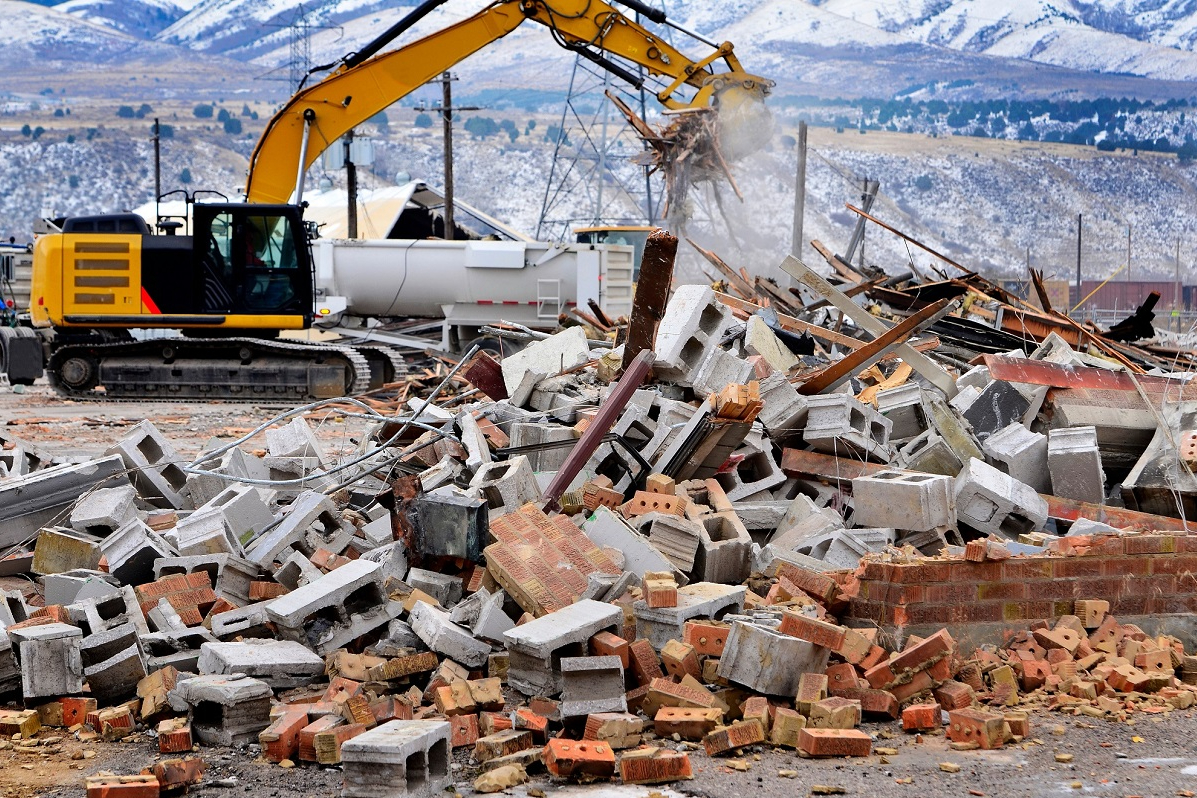
An Outsized Opportunity: Reducing Waste in the Construction Industry
When it comes to managing waste, keeping track for just one household can be challenging. Depending on where you live, there are various rules about what type of product goes where; even for conscious consumers, it can get tricky. What about when the waste consists of giant blocks of concrete, or endless square feet of wood flooring? This is the case in the construction industry, where the materials used – and disposed of – have an outsized impact on our environment.
Urban development has long been part of the conversation on climate change. As cities expand and populations grow, more infrastructure – from roads and street lamps to houses and office buildings – is needed. With the cost of housing rapidly increasing worldwide, the need for new residential units is also more in demand than ever. While it’s important for cities to respond to these needs, it comes at a steep cost to the planet.
In the U.S., the Environmental Protection Agency (EPA) found that in 2018, construction and demolition activities caused about 600 million tonnes of waste – more than twice the amount of solid waste generated in municipalities. More than 90% of that waste was generated through demolition activities (like tearing down an old building), and the remainder through new construction. In Canada, this waste is classified as construction, renovation and demolition (CRD), and accounts for 12% (about four million tonnes) of the solid waste stream generated in the entire country. Overseas, the European Commission on the Environment stated that construction and demolition accounted for more than a third of all waste across the European Union.
Why is the construction industry such a big driver of waste? There are a few key reasons, the first being that the activities accompanying construction tend to be detrimental to the environment, like the high carbon emissions from mixing cement, or the worsening of deforestation from demand for wood. In many cities, the trend leans towards demolishing older, smaller houses or buildings in favour of large high-rises, which require a significant amount of material. Furthermore, it can be logistically difficult to reuse or recycle materials left over from demolition. Most construction projects involve multiple stakeholders, from large companies and smaller contractors, to municipal and federal governments. Each player may have varying priorities for sustainability, or different capacities for waste management.
The good news is, the industry is full of skilled innovators who are recognizing not only the impact of construction waste, but the great potential in making their work more circular. In the U.S., the EPA actually found that more than half of current construction waste is sent to ‘next use’ – and there’s room for more. In fact, earlier this year, a major construction company in New York City was able to reuse or recycle 96% of their materials, by having employees closely track and adjust the current waste streams.
Though it’s clear that eliminating waste altogether in the construction industry is possible, one of the more abstract challenges – as in other climate change problems – is shifting our thinking. A recent BBC article highlighted a project at Brighton University, where a ‘waste house’, built almost entirely out of reused materials, was put on display, encouraging people to consider the importance of eco-friendly design and construction. From small households to hundred-storey buildings, reducing construction waste means reimagining the life cycle of our built environments.


The Cost of Staying Stylish: Clothing Waste and Circularity
With the scope and severity of climate change, it can be easy to feel powerless; that the problem is too far beyond our grasp for individual efforts to be meaningful. This climate anxiety is valid, but through a circular economy lens, we see how even small actions can have a tangible impact.
Though large-scale technological innovations are part of the circular economy, it’s important to remember the smaller aspects, like buying used furniture or renting from a tools library. From this perspective, there’s one area that can be a crucial point for change: clothing and textile waste.
Facing the facts
Clothing and textiles (such as towels, sheets, and fabric) are a major driver of waste. In the United States, the Environmental Protection Agency (EPA) found that in 2018 alone, 17 million tonnes of textile waste ended up in landfill. The Recycling Council of Ontario estimates that up to 95% of textile waste could actually be reused or recycled. The problem has been on the rise, with the EPA stating that the amount of textile waste has doubled in just the last 20 years. Beyond waste, clothing and textile production can be taxing on the environment and natural resources; the World Resources Institute (WRI) states that about 2,700 litres of water goes into making just one cotton shirt.
Moreover, it takes most textiles more than 200 years to break down in landfill – clothing, like certain hard plastics, is rarely designed to break down quickly. Its purpose is to be worn, and that’s not always compatible with environmentally-friendly materials. Most clothing or textiles are made with a blend of fabrics that can have dyes, as well as chemicals used to make it more durable or flame-retardant. Although you can (and should) repurpose clothing, the sheer volume of production means some of it will inevitably become waste.
The “trendy” problem
The reasons why clothing and textiles are such a consistent driver of waste are complex. Firstly, clothing is a tangible component in our capitalistic, constantly producing and marketing world. Clothing companies and media intentionally develop trends to encourage us to keep buying, and to feel left behind or “out of style” if we don’t keep up. One season, shoes with thicker heels are “in”, and the next, a different shape is popular – encouraging disposal of pieces no longer in style.
In recent years, fast fashion has been called out as a major culprit of this, with tons of cheaply made clothing produced on a never-ending cycle, and often poor conditions for the workers making them. With the low price point and subsequently low quality, fast fashion pieces are more likely to be disposed of sooner. As the WRI points out, the cheaper fabrics usually found in fast fashion, like polyester, tend to be carbon intensive. Brands like Forever21 and online retailers such as SheIN, have all been taken to task by consumers for their harmful practices.
When it comes to things like plastic or food storage, you can make conscious efforts not to use or purchase it. But we all need clothing and will need to continue buying it, which means it’s important to be aware and change our behaviour. Luckily, there are ongoing efforts worldwide to raise awareness of and reduce textile waste.
Investing in quality
Not only is fast fashion harmful to the environment, but it is predicated on making us feel like we always need to be “in trend” and buying the latest clothes to fit in. There are endless tricks to keep us buying more, like marketing specific colours and fabrics as being the “it” style everyone should have (for a few months, that is). The WRI points out that traditional, “slow” fashion has two seasons – spring/summer and autumn/winter – whereas fast fashion can run through up to 50 arbitrarily created “new” seasons every few weeks, as a means to push more buying.
If we recognize this, we may be more likely to invest in quality pieces that will last a long time and always be in style. With the demise of fast-fashion giants like Forever21, there are signs that more consumers are turning toward this idea. Also, paying more for a quality piece may encourage us to take better care of it, and work with tailors or other professionals to uphold it; an underrated but helpful practice.
It all comes down to the first of the 5Rs in our circular economy integration framework – reduce. If you never purchase in the first place, you never have to think about reusing, recycling, repurposing, remanufacturing, or disposing of something.
Thrifting and donating
With the amount of ways to purchase reused items these days, it’s almost a wonder why anything needs to be bought new. While there are commercial thrift stores like Goodwill, Value Village, and Plato’s Closet, there’s also been a major increase in online resale, from Facebook Marketplace to dedicated platforms like thredUP, Vinted, and Depop. To make purchasing used more sustainable, consider buying from local sellers, so you reduce some emissions from shipping and transport.
There are also consignment boutiques, which have long been around and tend to focus on designer items; this is a great option to make money back, and contribute to the circular economy.
Donating your clothing is also a good standby way to avoid having it end up in landfill, but approach with caution and careful research. Along with the rise in awareness about harmful fast fashion, it’s been revealed that many donated items that don’t sell end up as waste. Recent data in Canada found that only about 25% of donated clothing sells in thrift stores. While some of that ends up in landfill, some is sorted or repurposed by organizations that work to extend the life cycle of clothing. For example, Ottawa business Bank & Vogue ships second and third life-cycle clothes to various processing facilities, where it’s used to make things like cleaning rags or car-seat filling. Other shipments are sent to places in need.
This doesn’t mean you should avoid donating, but rather, be intentional about it; research places in your area that take used clothing and find out what they do with unsold donations, or find an organization that can make better use of your items.
Sustainable options
Since long biodegrading time is one of the main problems with clothing waste, many brands have begun to shift their production to accommodate more eco-friendly or sustainable fabrics and practices. There are even some swimsuit brands that offer biodegradable pieces! Brands like Tentree, Patagonia, Pact, Organic Basics, Sustain, Harvest & Mill, and more offer some variation on sustainability, either with natural dyes, organic fabrics, or production efforts that offset carbon emissions. However, truly understanding a garment's environmental impact requires life cycle assessment to substantiate marketing claims. Beyond this, some are encouraging reuse of their products, or setting up programs and incentives to facilitate reuse.
Even H&M, traditionally a bastion of fast-fashion, now has a line of products that are environmentally-focused. However, one thing to look out for with this trend is greenwashing, where companies exaggerate or falsify environmental claims in order to attract more consumers or deflect responsibility. Always do your own research on a brand’s sustainability claims; nowadays, there are many dedicated websites and blogs that do some of the research for you, so be sure to educate yourself.
Considering how necessary and useful clothing can be, it simply shouldn’t end up in landfill. By incorporating these smaller – but no less important – circular practices into your own closet, you can take steps to combat one of the world’s biggest sources of needless waste.
5REDO and Université du Québec à Chicoutimi Receive a SSHRC Grant
We are very excited to announce that 5REDO and Dr. Myriam Ertz, Professor in the Department of Economics and Administrative Sciences at the Université du Québec à Chicoutimi, have been awarded a Partnership Engage Grant from the Social Sciences and Humanities Research Council (SSHRC) of Canada.
This one-year project relates to the engagement of consumers in the circular plastic economy and uses participatory research methods involving various stakeholders in a knowledge co-creation process, to account for consumer behavior in scenario analysis to predict the state of the Canadian plastic circular economy in 2030. This partnership will help 5REDO expand its capacity in building around consumer behavior and engagement when developing circular solutions and delivering value creation for different organizations.
Carbon Labelling: Can This New Trend Have Meaningful Impact?
Many of us are used to seeing labels when we pick up a product, whether it’s nutrition facts, directions, or general information. Labels may even influence buying decisions. Some consumers like
to know how or where a product is made for personal reasons; if you want to cut down on your use of plastic, for example, you may choose not to purchase a product made with it.
How might these personal or ethical buying choices be influenced if you knew how much carbon was generated to make a product? Would it – or should it – influence our everyday shopping?
What is carbon labelling?
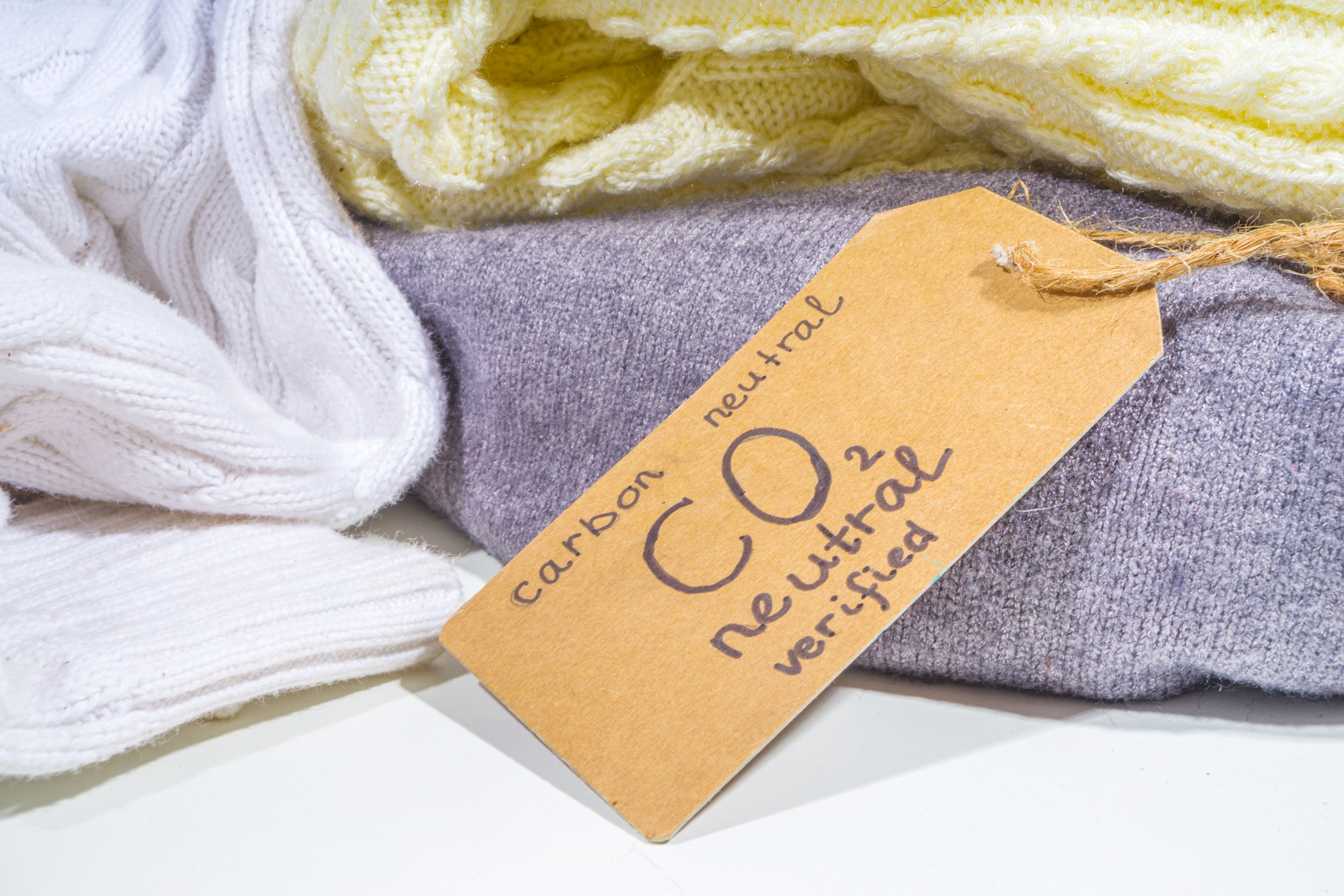
Carbon labelling is a relatively newer trend, in which some companies are choosing to include information about the carbon impact of certain products. A Washington Post article describes it as the estimate of a product’s environmental impact from beginning to end, “reflecting the greenhouse gas emissions or CO2e [carbon dioxide equivalents] spent in its creation, transportation, use and end of life, as measured in grams or kilograms of carbon.” Calculating this comprehensive carbon footprint requires detailed life cycle assessment to accurately measure environmental impacts across all stages.
The labelling is usually displayed on the product itself, or integrated into the shopping experience. For example, on the popular platform Google Flights, some airlines now have a ‘CO2’ tag, meant to indicate an airline’s approximate carbon dioxide emissions. In the U.K., an independent group known as the Carbon Trust provides information for carbon labelling to many companies and producers – in some cases, companies are coming up with it on their own.
Overall, the idea behind carbon labelling is that it will increase consumer awareness about the so-called carbon ‘footprint’, of certain products, and in turn, influence consumers to purchase products with a smaller footprint. Ideally, this would encourage companies to reduce emissions, or at least equip consumers with information that will allow them to apply more pressure to higher emitters.
Problems vs. potential
At 5REDO, we’ve written about the issue of ‘greenwashing’, in which companies overstate or falsify their environmental efforts in an attempt to attract consumers, and even deflect responsibility for harming the environment. Greenwashing can look like adding a green leaf or recycling symbol on a product that isn’t actually sustainable, or using vague language like ‘eco-friendly’ or ‘sustainably sourced’. While there are certainly companies making efforts to be more sustainable, the problem with greenwashing is that it can lure consumers into a sense of false security about the environmental impact of what they buy.
The problem with carbon labelling, then, is its potential to turn into another form of greenwashing – making companies look good, but ultimately not achieving much. An opinion piece by Enrique Dans for Forbes makes the apt comparison between carbon labelling and nutrition labelling. Decades ago, nutrition information on food packaging was thought to be necessary to educate consumers and encourage healthier behaviours. In North America in particular, it was introduced as a response to rising levels of obesity in adults and children. However, experts say it hasn’t had as much of an impact as expected – at least, it wasn’t a magic bullet solution to the complex issue of weight management in a diverse population.
Although still early, it may be useful to think of carbon labelling the same way. As the Forbes article asks: as a consumer, would you take it seriously? It’s worth considering what we’re hoping to gain from carbon labelling, and the realistic impact we expect it to have.
Another problem has to do with who is generating the information for carbon labelling, and how. Every industry has different interactions with and impacts on the environment, and may need to have their carbon footprint calculated by different measures. In other words, context is important. Furthermore, if companies produce the information themselves, can we trust that it is independent and truthful? Should governments intervene with specific regulations and policy?
Clearly, it’s not as simple as slapping a sticker on a product and expecting consumers to educate themselves. As Enrique Dans writes, “As long as consumers still don’t have a clear idea about the production standards that should set the norm, including quantities on a label can be completely misleading, all that such labelling is likely to do is create misinformation.” We even need to consider whether the so-called benefits would have a detrimental effect; with flights, for example, you may choose an airline that appears to have lower CO2 emissions, but if that encourages you to perhaps fly more frequently, is the benefit negligible?
As we know with the circular economy, it’s never just about one piece when we look at overhauling our systems and fighting climate change. Carbon labelling is an interesting option to consider, but should ideally exist alongside real climate change efforts on the part of companies and consumers both.

A Publication on Enhancing the Interface Strength in Polyethylene-Epoxy Composites
5REDO's CEO is co-authored on a new publication in American Chemical Society's Applied Polymer Materials journal. This paper reports the results of a collaborative research between University of British Columbia and University of Victoria on the development of a diazirine-grafted polyamine that can be used as a primer for ultra-high-molecular weight polyethylene (UHMWPE) fibers. It was shown that these functionalized surfaces can then engage in reactions with epoxy resin─resulting in increased bonding to the epoxy matrix and increased performance for fiber-reinforced composite materials. The article can be accessed here.
The Circular Bioeconomy: Innovation for Biomass Waste
Discussion about the circular economy tends to focus on recycling metals, minerals and petroleum-based plastics, as well as innovations that boost sustainability for companies and consumers. While that part is no doubt important, there’s a lesser discussed – but still vital – aspect of the circular economy that deserves just as much attention: the bioeconomy.
What is the bioeconomy?
Put simply, the bioeconomy is the production and use of bio-based resources and biological processes in the development of products, such as trees for lumber, or plant fibers for clothing. It can also refer to agriculture, both of plants and the raising of livestock. Our economy is made up of different components, from service work to materials production and so on, and natural or ‘bio’ resources are another key piece. With this, the circular economy functions the same way as in other sectors: as a tool to find out how waste can be minimized and avoided in the use of bio resources toward promoting sustainability.
This circularity can look different depending on the natural resource. The Center for International Forestry Research (CIFOR) outlines a great example of utilizing the circular bioeconomy in Nairobi, Kenya. In this large city, 9 out of 10 households use charcoal for cooking; in surrounding rural areas, cultivating charcoal for the city is essential to many livelihoods. Once the charcoal is used for cooking, there’s typically a pile of fine dust left behind in cooking areas. As CIFOR explains, that dust was found to be useful when mixed with a starch binding agent and turned into something known as ‘briquettes’, which can be used for fuel. The sale of briquettes is potentially lucrative for those who cultivate and sell charcoal, providing an opportunity to further support livelihoods with a product once considered waste.
While that’s an intricate example, the circular bioeconomy can be as simple as using table scraps to nourish a home garden. There are also implications for it on a larger scale with industrial agriculture and especially forestry, where there tends to be more unused bio-waste.
Challenges with circularity in the bioeconomy
As with other sectors, introducing circular strategies into the bioeconomy has its challenges. One of the main hurdles is ensuring protection of natural landscapes and biodiversity, as climate change impacts and resource extraction continue. Understanding the true environmental impact requires rigorous life cycle assessment to evaluate every stage from cultivation to disposal.
In a paper for Frontiers in Sustainability, researchers Eric Tan and Patrick Lamers state that a sustainable bioeconomy goes far beyond switching fossil fuel resources with renewable ones: “It requires low-carbon energy inputs, sustainable supply chains, and promising disruptive conversion technologies for the sustainable transformation of renewable bioresources to high-value bio-based products, materials, and fuels.”
The researchers also point out the importance of carbon sinks, which is a natural resource (such as a forest) that absorbs more carbon than it emits. Not only are carbon sinks key to reducing carbon in the atmosphere, but many experts believe they’re being underutilized in the fight against climate change. Significant efforts are required just to identify a carbon sink, and in a place like Canada, with delicate natural areas and a forestry-heavy economy, that could be crucial.
Another potential roadblock to circularity in the bioeconomy may be our lack of infrastructure to manage, distribute, or dispose of bio-waste. We’ve written before about the challenges that come with composting, as many facilities across Canada and North America don’t always have the capacity to compost biodegradable items. If there’s a sudden shift in how bio-waste is used or reused, it may strain a system already struggling with capacity.
Overall, the challenges with implementing circularity into the bioeconomy look similar to other spaces, in that it requires an urgent overhaul of our current system.
Untapped potential
Climate change advocates often state that shifting to sustainable methods doesn’t have to mean loss of economic growth, and in general, the same can be said for innovation in the bioeconomy.
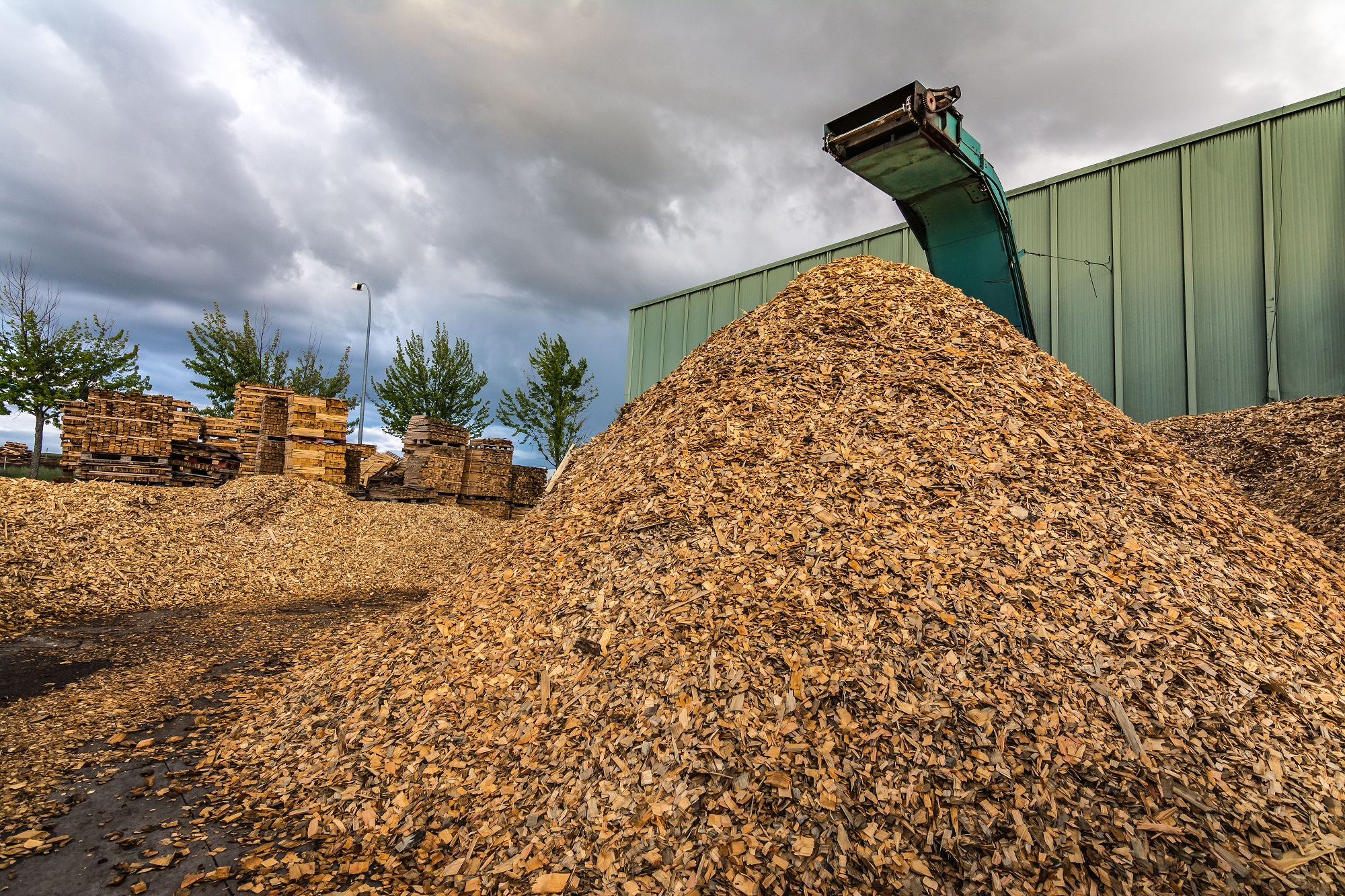
For example, the Canadian government has identified great economic potential in the forestry industry for the use of forest biomass (natural waste from recently-cut or dead trees). Natural Resources Canada (NRCan) has been tracking biomass in nationwide forests since 2009, and found that there’s ample opportunity to use it for the creation of biomaterials, such as wood fibre composites, green chemicals, or bioplastic. There is increasing demand for these products worldwide, and as recently as 2015, the NRCan found there could be billions in market potential. Developing these bio-based materials requires comprehensive R&D services to ensure they meet performance and environmental standards.
As we apply circular thinking and strategies in our economy and everyday lives, it’s important to include the bioecomony in research, debate, and large-scale innovation. Conservation is important, and utilizing bioresources sustainably should remain a top priority in the circular economy.
We Know Most Plastics Are Hard to Recycle. Now What?
In December, we wrote about Canada’s proposed single-use plastics ban, examining its merits, and whether it could give a significant push toward the circular economy. In it, we looked at concern over whether the ban should be all plastics instead of only single-use items, noting it’s not just plastic cutlery or grocery bags that are hard to recycle.
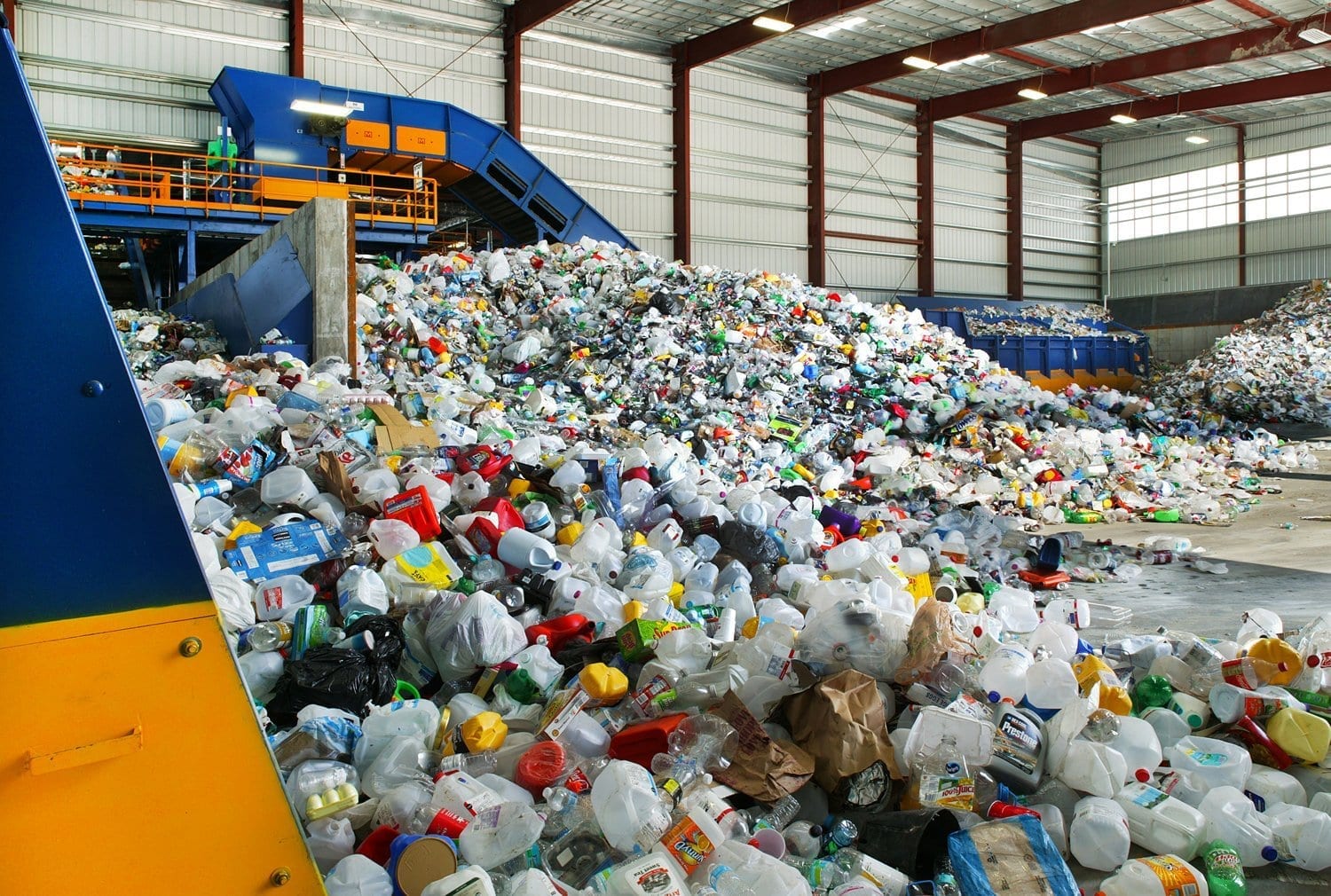
Recently, a debate on this very topic has been ramping up, centered around a tough reality: many plastics are hard to recycle, and most end up in landfills or are incinerated. This awareness may force a shift in how we’ve thought about recycling for decades, by raising a difficult question: do the words ‘plastic’ and ‘recycle’ belong together at all?
What’s new in the plastics recycling debate
Back in the fall, some U.S. states challenged plastics industry giants on their use of the recycling symbol – the ‘chasing arrows’ sign stamped onto many everyday plastics that lead many consumers to believe it’s recyclable. In California, political leaders claimed the use of this symbol is misleading, as many everyday items like yogurt cups or coffee cup lids are rarely recycled.
Around the same time, Oregon put together a task force to better examine environmental labeling, and before that, New York introduced a bill to eliminate the three arrows symbol from any non-recyclable item. These developments were explored in detail in a CBS news article, where advocates outlined how misconceptions about plastics recycling have muddled both consumer awareness and the ability to push for change. One advocate said that holding plastics manufacturers accountable is a major step to ending “greenwashing” in the recycling industry, which is when companies make false or misleading claims about the sustainability of their products.
This can be a highly politicized debate, with different players bringing varying arguments about the use – or misuse – of plastic. In the CBS piece, plastics industry leaders said they’ve simply been following guidelines laid out decades ago, when recycling and the use of plastic in so many everyday items was in its infancy. At the time, companies were required to use specific codes to indicate the type of plastic used in a product, and its recyclability based on that code. Conversely, some manufacturers argue they’re not responsible for what happens to the plastic, and that what they make is recyclable; it’s just that many facilities may not have the capacity to do so.
Politicians and activists have countered this by saying that the recycling symbol leads to confusion, and as a result, it isn’t fair to blame consumers or facilities. Beyond improving waste management and recycling capacity across the board, some argue that companies need to shoulder more of the burden when it comes to responsible production, information, and messaging.
This debate over plastics recycling mimics much of what takes place when discussing climate change issues, with the common sticking point being responsibility: who should take blame or ownership for the problem? Should it be companies, consumers, producers, advocates, or politicians? Is it some, or both? While there may be no easy answer, there is a clear need here: innovation in how plastics are made, used, and disposed of.
What works and what doesn’t
Plastic, both single-use and otherwise, is so widespread that shifting away from it will be a big task; like most global issues, it will require innovation in various sectors. While who should be responsible for better plastics recycling is cause enough for debate, it gets more complicated when it comes to alternatives, like chemical or mechanical recycling, or producing easier-to-recycle plastics.
Although many developed countries have mechanical recycling infrastructure, a large portion of their postconsumer plastic waste is still poorly managed. This is mainly because of the low efficiency of processes involved in mechanical recycling -- sorting, washing, shredding and melting -- to deal with mixed municipal solid waste, and the recovery of specific types of plastics. However, advanced sorting technologies that rely on machine learning and robotics are under development to facilitate and improve the sorting process.
Another, more technical, challenge has to do with the high risk of clogging in the shredding machines when flexible packages are processed. Moreover, commonly used multi-material, multilayer plastic packaging, is a very difficult material to recycle. An emerging option lies in what’s known as chemical recycling, where innovative chemical processes and sustainable materials research convert materials into chemicals and fuels. However, the current gap between established recycling technologies and broad recycling targets means we need to pursue innovation in these areas as soon as possible.
It’s worth mentioning that these problems aren’t just present in plastics or plastics recycling; composting, for example, has faced its fair share of controversy and debate since it was more widely implemented in North America over the past few years. In that regard, advocates say that certain items labeled as compostable aren’t, either for the fact that the components don’t break down as quickly as stated, or facilities don’t have the capacity to sort them to determine whether they’re plastic or not (some compostable alternatives like cutlery, for example, look very similar to their plastic counterparts). The composting debate helps us see that there’s no one-size-fits-all solution to the plastics problem.
Moving forward
Having more recyclable plastics, or implementing circular strategies for plastic management will have a major impact on our environment. It’s an area where big, important changes can be made, especially if there is the right coordination between manufacturers, facilities, and policy-makers. While the debate goes on, what can be done right now, in the immediate, is innovation: finding creative, sustainable solutions that drive positive change.
Although changing labeling – like doing away with the chasing arrows symbol on so many products – may seem small, we can’t move forward without good, accurate information, which has clearly been lacking in this realm for the average consumer. Raising awareness about what does and doesn’t work with plastics recycling is an important step; from there, better solutions can take center stage.
Race to Net-Zero: Is the Circular Economy the Missing Piece?
In our first article on net-zero, we took a closer look at its meaning, and the planned timeline to get there. As a circular economy innovation firm, the team at 5REDO keeps a close eye on the climate change and sustainability realms, including the concept of net-zero. So how does it fit into the movement towards a circular economy, particularly here in Canada? Here, we break down some of the key components.
Zooming in on the energy sector
As outlined in the first article for this series, net-zero usually refers to net-zero emissions, specifically of greenhouse gasses (GHGs) that contribute to the warming of our planet. Most people associate GHG emissions with the energy sector, such as from vehicles (with combustion engines) or from the burning of fossil fuels.
There's a good reason for this – in the United States, the Environmental Protection Agency (EPA), found that about 29% of GHGs come from transportation, 25% from electricity, and 23% from industry. The picture is similar here in Canada, with the oil and gas and transport sectors being the two largest GHG emitters, accounting for more than half of total emissions (based on 2019 data). Other economic sectors like construction, agriculture, and waste, together produce between 7-12% of emissions.
Though the G7 nations have different social or economic landscapes, transport and energy remain the top sectors for GHG emissions across the globe. With this, we see how reducing emissions in these sectors has taken center stage in the discussion about net-zero – but what else is missing from the conversation? By focusing on energy, are we missing out on crucial opportunities to help reach net-zero?
A holistic, sustainable approach
Examining data on where most GHG emissions come from paints a clearer picture of what will be needed to achieve net-zero, and to shift to more sustainable practices. Electricity serves as a prime example – it’s often thought of as a more sustainable alternative to traditional forms of energy, and recent developments in the electric vehicle market speak to this.
However, as the EPA data shows, current electricity production relies heavily on coal and natural gas, two significant GHG emitters. While it’s important to shift away from non-sustainable energy, it’s also crucial to consider the additional pressure that may put on alternatives, especially those that still generate emissions. In a previous piece on Canada’s single-use plastics ban, we outlined a similar scenario; while banning the use of some plastic items can be positive, there must be truly sustainable alternatives (and the means to dispose of them properly), or we’ll just recreate the same problem.
This issue is further made clear by the ‘Highly Insufficient’ rating Canada received from the global Climate Action Tracker, mentioned in our first piece for this net-zero series. After outlining that there are not enough effective policies to achieve current emission targets, the report also points out that Canada’s net-zero target is considered average, and doesn’t cover enough ground. “While Canada’s Net Zero Act has some positive measures, it does not follow good practice on a number of other aspects, such as including emissions from international aviation and shipping into its target,” the report states.
As outlined above, basing net-zero goals around the energy sector and neglecting innovation in other industries can leave us falling short. Like many global issues, cutting emissions and getting to net-zero will require a multifaceted approach, which brings us to another gap in the race to net-zero: factoring in the circular economy.
The missing piece
One thing remains evident: it will take a strong, immediate effort to reach net-zero, and many nations aren’t addressing the whole picture. Experts on the circular economy have argued that its merits have been overlooked and under-utilized in the race to net-zero. This problem is articulated well in an article by Mike Townsend of the consulting group Earthshine:
…going circular presents a major opportunity for any organisation, serious about taking radical climate action while generating business opportunity — especially those dependent on scarce and non-renewable resources. And, given our current progress on the essential road towards net zero and beyond — with only one in 20 European companies on track to meet net-zero climate goals — it would make good sense for more organisations to explore how the alignment between circularity and climate action might work for them, rather than waiting for expensive and unknown future technologies.
Remanufacturing parts, shifting to sustainable materials, extending the life cycle of products, and implementing circularity integration strategies are not only better for businesses, but they can play a crucial role in reaching net-zero.
The good news is that Canada can be a leader in this realm. A recent report by the consulting firm Deloitte found that Canada is well positioned to be a model for net-zero and the circular economy, with its combination of natural resources and climate leadership across various realms. For example, the report discussed the domestic “clean tech” industry, which in 2017 alone contributed more than $60 billion into Canada’s GDP and provided 282,000 high-paying jobs.
With continued support for innovation in this space and others, Canadian industry can better address net-zero goals, by continuing on the path towards a circular economy.
A Closer Look at Net-Zero
Much like the terms carbon-neutral, renewable energy, or sustainability, ‘net-zero’ has become a key word in current discourse about climate change and our environment. It’s mentioned in the news, at global conferences, and in government policies. A basic definition of net-zero is the slowing or stopping of greenhouse gas emissions (GHGs) – one of the main contributors to the warming of our planet.
But is net-zero just another popular phrase? What targets do we need, in Canada and around the world, to truly achieve it? In this two-part series, we delve deeper into net-zero, and why it’s become such a big player in the fight against climate change.
Targeting emissions
When scientists or politicians say net-zero, they usually mean net-zero emissions – of the harmful, planet-warming greenhouse gasses that stay trapped in our atmosphere. It’s understandable that this has become a main sticking point in climate change efforts, since GHG emissions were one of the first widely understood components of climate change.
However, it’s important to note that net-zero doesn’t necessarily mean eliminating GHGs. Rather, it suggests that remaining emissions will be offset by climate change mitigation measures, like shifting to solar power or electricity in some industries, or protecting carbon sinks (a resource that absorbs more carbon than it emits, such as a forest).
Knowing this, a natural question may arise: why not just aim for zero? While that’s fair, experts have pointed out that cutting emissions completely in some sectors, such as for the production of cement or steel, isn’t possible in the popular 2050 timeline. In those situations, shifting to alternatives will likely take place over a longer period of time.
The race to zero
Since net-zero has become such a widespread topic, many nations or groups have made it a goal, though it’s evident that ‘zero’ – and the timeline to get there – can mean different things. The United Nations, for example, describes the goal as bringing emissions “as close to zero as possible.” Some G7 countries, including Canada, have created their own plans to reach net-zero, or reduce emissions significantly in the coming decades.
Canada has set the goal for net-zero emissions by 2050; in the 2015 Paris Agreement, they pledged to reduce emissions by 40-45% (from 2005 levels) by 2030. Although the larger goal is for 2050, the government's plans indicate immediate efforts are more poised to address the Paris Agreement stipulation:
The Minister of Environment and Climate Change will establish the country’s 2030 Emissions Reduction Plan by the end of March 2022. The plan will be informed by consultations with provinces, territories, Indigenous Peoples, the Net-Zero Advisory Body, and interested Canadians on what is needed to reach Canada’s more ambitious climate target of 40-45% emissions reductions by 2030.
Despite these steps, a global consortium that maintains a Climate Action Tracker rates Canada’s overall climate change mitigation plans as “highly insufficient”, based on domestic and international emissions targets, climate-related financing, and so on. We’ll explore this more in our second piece in the series, on net-zero and the circular economy.
How soon can we get there?
Canada didn’t pick 2050 as its timeline for net-zero out of nowhere. Other G7 countries and climate advocates are also aiming for that year, given the common understanding that it’s what will be needed to keep global warming under 1.5 degrees Celsius.
As was made clear at the recent COP26 meetings in Scotland, aggressive efforts are needed from players around the world in order to meet these targets. From innovation across all industries to fostering and protecting natural environments, hitting net-zero – and keeping promises made – is going to require a multifaceted approach.
In our next piece, we’ll look at the circular economy, Canada’s unique position when it comes to achieving net-zero, and how innovation will play an important role going forward.
Can the Single-use Plastics Ban Speed Up Canada’s Transition to a Circular Economy?
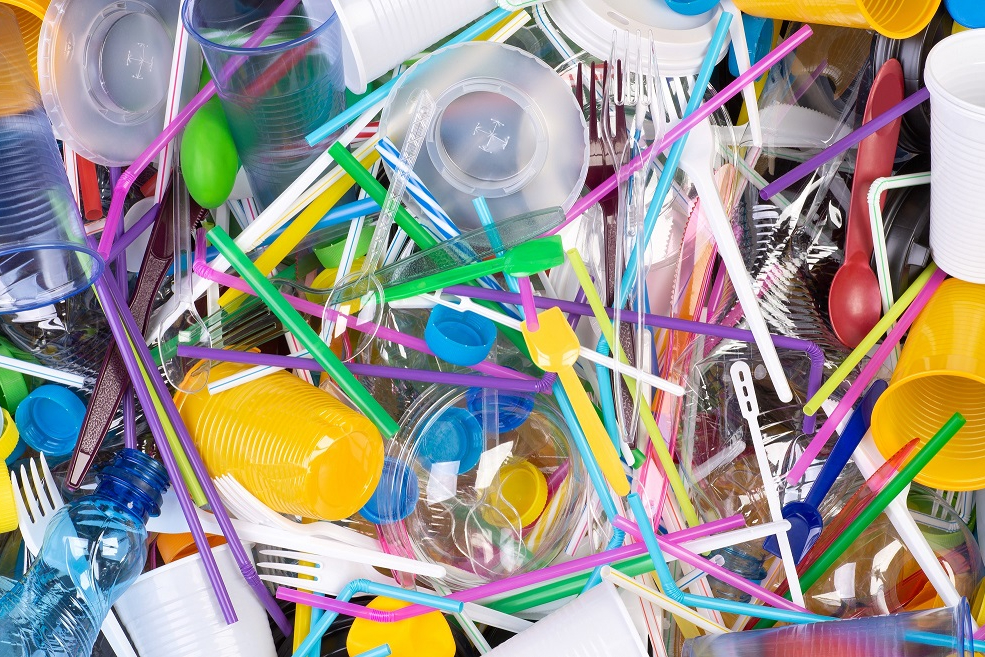
Back in 2019, the Canadian government announced its intention to ban some single-use plastics, part of its ambitious efforts to have ‘zero plastic waste’ by 2030. The plan targeted some of the most wasteful or hard to recycle plastics, such as single-use cutlery, grocery bags, and takeout containers. Sectors like healthcare, where single-use items made with plastic are commonly used for sanitary reasons, were exempt.
Consultations with the general public and interest groups were promised. When the novel coronavirus spread worldwide in March 2020, the plastics ban, along with many other agenda items, was put on hold. Plans resumed by October, and as recently as this summer, the government said the goal is to have the ban in place by the end of 2021. Let’s take a closer look at what that means for businesses, and Canada’s efforts to shift to a circular economy.
The business of plastic
Plastic is a popular material in many industries, favoured for its cost, efficiency, and variety of forms and uses. While some plastics can be reused, composted, or recycled, there are some that can’t; these are known as ‘hard to recycle plastics’ or simply, ‘end plastics’. The problem with end plastics is that, if overused, they can clog landfills or wind up in our oceans and waterways.
Still, plastic is big business in North America, Canada included. In 2018, Environment and Climate Change Canada commissioned a study on the use of plastics and plastic-resin in Canadian business. The study found that plastic accounted for more than $35 billion in sales in the manufacturing sector, employing more than 93,000 people throughout the industry. Packaging, construction, and the automotive industries were found to be the predominant users of end-plastic.
There’s a reason plastic is so widespread, even though it can be potentially harmful to the environment. As stated above, it’s a flexible, cost-efficient material, one of the main reasons it became the predominant product of our current era. It wasn’t long ago that most milk came in glass bottles, or grocery stores used paper bags.
Why ban only single-use plastics?
One of the main criticisms of the proposed single-use plastic ban is that it doesn’t go far enough. Some say it won’t push us close enough toward zero-plastic waste, and that the ban should instead cover all plastics. While the 2018 study was on all plastics and not just single-use products, it makes clear that the plastics industry is so pervasive, it would be extremely difficult to ban all plastic at once.
Banning all plastic would also be tough since it’s unfortunately so widespread in products and everyday items. In this sense, single-use plastics are at the top of the hierarchy; the easiest ones to target, as they are the most wasteful plastics and can be more readily replaced.
The impact on businesses
Another reason why single-use plastics were targeted could be that, as mentioned, a wider ban would require a major overhaul for all sectors, which could take years. This is already a main concern for the businesses most impacted by the ban, like restaurants and hotels.
The Canadian Federation of Independent Business represents more than 95,000 small businesses across the country (i.e. less than 500 employees), about 20,000 of which are in the hospitality sector. Aside from healthcare, this is the sector most concerned about the ban, as many of their materials consist of single-use plastic or plastics-blended products, like cutlery, takeout containers, or coffee cups. Adhering to a single-use plastic ban may take a significant shift of their supply chains overnight, even though these processes usually take time.
What’s more, small businesses have been hit hard during the pandemic, with many shutting their doors or struggling to stay afloat through shutdowns and other challenges in the economic landscape. Shifting to a whole new line of products, especially ones that may cost more, could be simply too difficult to do in an already cash-strapped environment. While the government has promised to consult with business groups about the ban, it’s not yet clear how these concerns will be addressed.
A rush to the circular economy
From the lens of the circular economy, this type of ban seems like a step in the right direction. Theoretically, it would force industry to move away from reliance on non-reusable or non-regenerative plastic products and replace them with something more sustainable. It will have businesses start to adopt more sustainable practices, a core feature of the circular economy.
With that said, a single-use plastic ban is only effective if the replacement products are truly sustainable. Life cycle assessment (LCA) is essential to verify that alternatives to single-use plastics genuinely offer environmental benefits rather than simply shifting the problem. Otherwise, we’ll just recreate the same problem. It’s important for decision-makers to be aware that some products said to be recyclable or compostable aren’t truly so; sometimes facilities can’t accommodate it, or the user doesn’t dispose of it properly. For example, some facilities end up sorting out compostable cutlery as it often looks the same as plastic cutlery, and they don’t always have the capacity to verify each piece.
As with any step toward sustainability, Canada’s single-use plastics ban isn’t perfect. Some key details are still missing, but it makes one thing clear: our country and the world’s economy relies much too heavily on plastic, and it’s time to start shifting away from it.
 Originating from Barcelona, Laia’s educational journey led her to pursue secondary studies in the south of France. Her Bachelor’s degree in Economics and International Management allowed her to develop an analytical mindset. During her Master’s in International Business and Management, she engaged in numerous research study cases and actively participated in the creation of different business plans. This helped her develop an ability to critically analyze and address the strategic challenges that companies encounter.
 Andre has over 5 years of industry experience in project management, polymer and composite processing, materials characterization, and product development. He earned a Bachelor’s degree in Chemical Engineering from the Federal University of Santa Maria, Brazil, and a Ph.D. in Materials Science and Technology from the Federal University of Rio Grande do Sul, where he focused on Polymer and Composite materials. In 2012, he founded a design and manufacturing company specializing in biocomposites made with natural fibers, which he successfully sold in 2015.
 As an expert in sustainability, life cycle assessment, circular economy, and green chemistry, Nicolas possesses valuable skills and knowledge that can assist companies in developing and implementing sustainable and environmentally-friendly business models. They can achieve this by utilizing eco-friendly materials, improving manufacturing processes, reducing waste and hazardous chemical use, and advocating for the use of safer and more sustainable alternatives.
 Karan is an experienced professional who has worked in multiple geographies and roles along his career. He holds a total of 10+ years of experience in manufacturing operations, and has focused his efforts towards finding solutions for waste recovery and making recovery economical for industries.
  With several years of research experience in France and Canada, Fabien lends his expertise and passion for enzymology and microbiology to 5REDO’s sustainability innovation plans.
  With her significant hands-on experience in developing and characterizing biological and chemical systems, Vicky plays a key role in 5REDO’s efforts toward developing novel products and technologies that offer improved circularity and sustainability to the industry and society.
  As a recent graduate of chemical engineering from the University of Waterloo, Kyle brings his passion for impactful innovation and his experience with novel recycling processes to 5REDO to support our technology development initiatives.
  As our Senior Research Scientist, Hormoz draws on his eight years of industrial and nine years of academic research experience in the areas of polymer science and engineering to develop new solutions for advancing circularity and sustainability.
 Shauna is a freelance journalist that covers a wide range of topics, including health, education, the environment, travel, lifestyle trends, and more. She holds a Master of Journalism from Carleton University, and a Bachelor of Arts (Honours) in Global Development from Queen’s University.
 By leveraging her expertise in life cycle analysis and process engineering, Ophela helps 5REDO to take a holistic approach to the development of circular solutions and technologies.
  As the co-founder of 5REDO, Forough brings her expertise in supply chain management, business operations, inventory control, and revenue management to support the implementation of circular solutions within different industry sectors.
 With a passion for driving change and creating impact, Mahdi co-founded 5REDO to promote circular economy principles in Canada. He’s an alumnus of the 2021 Ellen MacArthur Foundation’s ‘From Linear to Circular Programme.’ Mahdi played a pivotal role in developing and managing the University of British Columbia’s (UBC) Circular Economy Seed Funding program, fostering partnerships between companies and academic researchers to co-create circular solutions.