

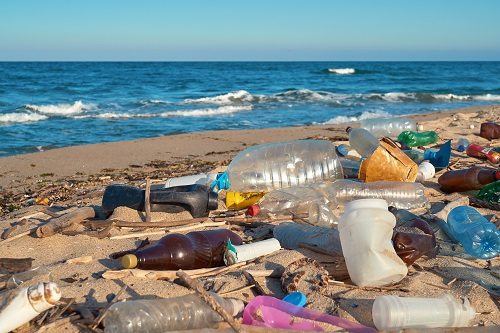
Re-introducing Ocean Plastics into Supply Chains
In 2019-2020, Cooper Hewitt Smithsonian Design Museum in New York held an exhibition called Nature—Cooper Hewitt Design Triennial to showcase prototypes, consumer products and architectural constructions that engage with nature in innovative ways, driven by concerns around climate change and ecological crises. Among the objects on view in this exhibition was a prototype of Adidas sneakers made from marine plastic waste collected from coastal areas by the environmental institution Parley. The collaboration between these two organizations, initiated in 2015, has been an inspiration for others to push boundaries on scaling up the manufacture of products from reclaimed ocean plastics.
Plastics accumulating in the oceans and on the beaches has become an international crisis. It is estimated than 8 million tons of plastics enter the ocean every year. There have been growing efforts by governments, non-profit originations, and industries to develop downstream solutions and policies to prevent leakage of plastic waste, at the macro, micro, and even nano level, into marine waters. In addition, several initiatives across the globe is now focused on collecting plastics, such as water bottles and fishing nets, that have been abandoned in coastal regions and ocean areas. Besides post consumer plastics collected through recycling programs, the reclaimed plastics from the ocean could provide a source of feedstock, in lieu of virgin materials, for production of plastic parts. However, these plastics are more challenging to recirculate into manufacturing processes.
Ocean plastics have been exposed to several harsh environmental conditions and stresses that are not typical of post consumer plastics. The deteriorating impact of these conditions on physical and chemical properties of plastics need to be addressed at several stages of processing from feedstock production to product manufacturing. Laboratory testing and materials characterization help manufacturers understand how ocean exposure has affected plastic properties and whether recovered materials meet performance requirements. As an example, let's take the ocean plastic bottle introduced by Method to package its cleaning products. To alleviate the odor contamination of the ocean plastics, Method relied on the patented devolatilization process of its partner Envision to remove odor and absorbed chemicals. The degraded properties of the ocean plastics and its mixed plastic composition did not allow the bottle to be fully made from this feedstock and instead a blend of recovered ocean plastics and post-consumer recycled plastics were used. In addition, the final color of the bottle became grey, which could be a limiting factor in the packaging market that often seeks colors.
For the businesses seeking to make impact and create brand recognition through the use of ocean plastics in their products, the options are not limited. High-quality ocean plastic resins and yarns are now produced by several companies across the globe (for example, Oceanworks which is based in California). In addition, collaborative initiatives such as Nextwave has been launched with participation of multinational technology and consumer brands, including General Motors, Dell, IKEA, among others, to develop a commercial scale supply chain for ocean-bound plastics, defined as plastics found on the ground within 50 kilometers of a waterway or coastal area and have not yet found its way into the ocean.
The Method bottle, mentioned earlier as an example of an ocean plastic product, was first introduced in 2012 and since then the science and technology of processing and recycling ocean plastics, as well as logistical infrastructure and supply chains, have further advanced to facilitate the circularity of these materials. Such efforts need to be continued to encourage the collection of plastics in the oceans and nearby regions. Life cycle assessment (LCA) can compare the environmental impact of ocean-recovered plastics against virgin materials and other alternatives to verify genuine environmental benefits.

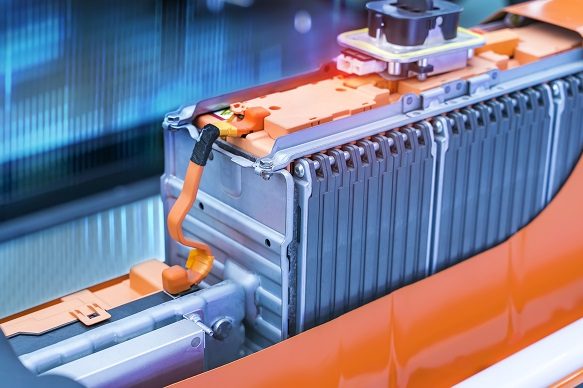
Innovations for Recycling of Lithium-Ion Batteries
The electric vehicle market has grown rapidly in the past 10 years; sales were negligible before 2010 and have increased to over 2 million vehicles in 2019, bringing the total stock of electric cars to 7.2 million globally. This level of production, which demands 200,000 tonnes of lithium-ion battery cathode material annually, along with the high number of batteries that will be retired in near future have created a growing interest among automakers and entrepreneurs to develop a range of end-of-life scenarios for spent battery packs, including the recovery of materials from used battery cells, in particular high-value and energy-intensive cathode materials such as nickel and cobalt.
In December 2020, the US Department of Energy announced the seven winners of Phase II of its Lithium-Ion Battery Recycling Prize. The goal of this competition is to develop and demonstrate processes that, when scaled, can capture 90% of all end-of-life lithium-ion batteries in the US, and re-introduce key materials back into the supply chain. Here, we provide an overview of some of the winning companies who are leading the innovation in technology and operations for large-scale battery recycling in the US.
Li Industries: This startup company is focusing on two innovative solutions to facilitate battery recycling. Its Smart Battery Sorting uses sensors to detect physical and chemical features of the battery which is fed into an AI-based software to guide the sorting of the batteries. The company's second innovation is Direct Lithium-ion Battery Recycling that regenerates commercial-grade cathode materials using recovered materials from spent battery packs. While details have not been provided on the company's website, the regeneration process most probably relies on materials recovery in a mixture form rather than individual metals. This approach takes advantage of the limited battery chemistries of electric vehicles to reproduce known cathode materials.
OnTo Technologies: The company has developed a suite of technologies for recycling of Li-ion batteries. Among those is the Cathode-Healing technology that directly recovers clean cathode particles from used batteries. The company also uses a patented technology to recover cathode in the precursor form.
Renewance: As a provider of software solutions and consultancy services, this company is focused on the management of battery assets to help companies find economically viable and regulatory compliant solutions for recycling and reusing of their batteries. The company's Renewance Connect is a digital platform to manage the full life cycle of industrial batteries.
Titan Advanced Energy solutions: The solution offered by this company supports the reuse of Li-ion batteries rather than their recycling. When these batteries reach to a state that cannot meet the standard requirements of electric vehicles, they can still be useful for other applications, such as stationary storage. However, understanding the second life potential of the batteries requires a fast and inexpensive method to determine the battery's state of health. The company has developed an ultrasound-based system to measure the health condition of a battery within a few seconds at a high level of accuracy.
The above innovations and many others that are happening across the globe are facilitating the development of a circular economy for electric vehicles. As these vehicles are rapidly becoming commonplace, early planning on the life cycle management of their components is critical to mitigate any environmental risks and to support materials sustainability. Life cycle assessment of battery recycling technologies can help identify which innovations offer the greatest environmental benefits when deployed at scale.

Blazey Joins 5REDO Family
We are very excited and pleased to have a new member in our family. Blazey is a cute and lovely toy poodle from Calgary; he is one year and three months old. We will do our best to make sure he will enjoy this new chapter of his life with us. Welcome Blazey! We look forward to all the fun and joy we are going to have together.
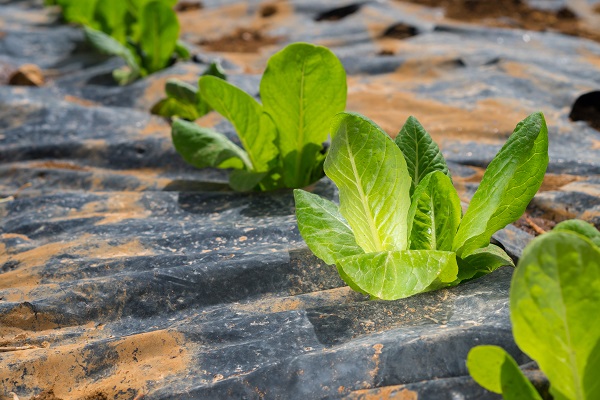
Microplastic Pollution of Biodegradable Polymers
In October 2020,the British Standards Institute introduced PAS 9017, a new standard which specifies the requirements for the biodegradability of plastics in open-air land environments. This document resulted from the UK government's call for experts in 2019 towards developing standards for bioplastics and biodegradable plastics. Laboratory testing services following standards like PAS 9017 help manufacturers validate biodegradability claims and ensure materials won't create microplastic pollution.
With the confusion existing over the meaning of biodegradability, the growth in the number of plastics and products advertised as biodegradable has created a rising concern on possible greenwashing practices by manufacturers to mislead public. In this regard, defining the duration of biodegradation is critical for classification of plastics. A polymer can be biodegradable in an environment, as proved by conversion of organic C to CO2, but if the degradation rate is very slow, it can accumulate and persist in the environment for a long time. Another issue is break-down of a biodegradable plastic into microplastics, due to weathering and service conditions, before converting to safe organic compounds. Accumulation and migration of these fragments still impose threats to the environment and human health.
Amid this confusion over terminology, PAS 9017 provides a level of consensus on how to measure the biodegradability of a family of thermoplastics called polyolefins that includes polyethylene and polypropylene, two widely used plastic types. To be classified as biodegradable, the standard specifies that 90% of the organic carbon contained in plastic must be converted into carbon dioxide within 730 days. PAS 9017 also involves testing plastic to prove it can break down into a harmless wax in an open-air environment. The benchmark for this testing is a chemical developed by a British company called Polymateria that enables the transformation of plastic items into a sludge at a certain time in the product's life.
Polymateria's bio-transformation process relies on an additive incorporated into plastic parts during manufacturing. Upon activation of the degradation process by air, moisture, light and microbe, the polymer experiences a rapid loss of physical properties and transforms into a wax-like material that is neither a plastic nor harmful to the environment. This degradation process therefore does not create any microplastics that could potentially disperse into the environment and contaminate air, water and soil.
The urgency and market opportunities for biodegradable or compostable products might lead to the adoption of new plastics which might be introduced as environmentally friendly without being holistically assessed for their impact. PAS 9017 is contributing to the development of this holistic methodology for assessing the biodegradation of plastics to ensure their efficacy in alleviating pollution and environmental harm. An effort that needs to be expanded to other plastic types and environmental conditions. In addition, life cycle assessment (LCA) ensures that biodegradable plastics deliver genuine environmental benefits across their full lifecycle, not just at end-of-life.
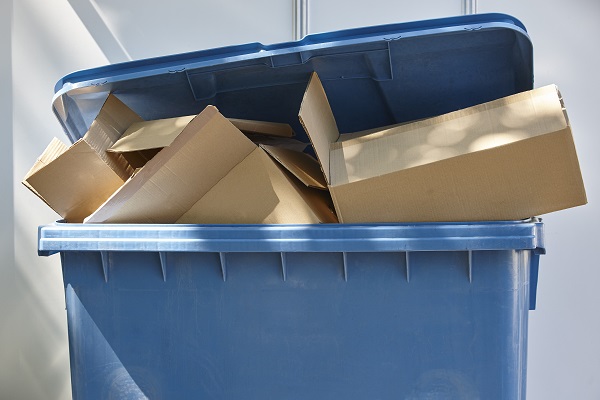
Supporting Circularity of Carboard Packaging
The Covid-19 pandemic has boosted e-commerce and online shopping to a great extent—a trend that will most likely continue in the future. This has led to a significant increase in the amount of carboard boxes that rest in the hands of consumers making them more responsible for circularity of cardboard materials by properly disposing shipment boxes.
Cardboard and paper wastes are among those materials that are routinely collected and recycled across the world: as of 2019, 86% and 66% in the European Union and USA, respectively. With these numbers, cardboard has the best recycling record of any packaging material. It is estimated that every ton of recycled cardboard saves 7 cubic meters of landfill space. The recycling of cardboard also offers energy saving given that the process only uses around 75 percent of the energy needed to make new cardboard.
Being made of wood feedstock, cardboards are composed of 40–80% cellulose, 5–15% hemicellulose, and minor traces of lignin. While paper and cardboard can be recycled multiple times (2.4 times in average), individual fibers become shortened during each recycling process and therefore loses their efficacy for production of a recycled paper or cardboard. These short fibers along with other contaminations like inks are removed as a sludge, which are commonly disposed into landfills. Several options have been suggested to valorize this sludge, including its use as an ingredient in building materials, feedstock for nanocellulose and lactic acid, or for biogas production. However, none of these added-value solutions have been adopted at scale. Techno-economic analysis and life cycle assessment can help evaluate which valorization pathway for cardboard sludge offers the best environmental and economic outcomes.
The increase in the use of cardboard as a packaging material, due to the rise of e-commerce, complies with Renew and Recycle principles of circular economy and therefore may not seem concerning. However, as cardboard cannot be recycled infinitely, Reduce strategy becomes highly relevant to manufacturers and retailers to address overpackaging, which can have implications for both logistics and materials sustainability. In addition, end consumers are now playing greater roles in supporting the circular supply chain of cardboards. The fibers that are tossed into the trash loses their chance to appear again in a new manufactured cardboard. This entails some educational initiatives led by big online retailors to inform consumers of their increased responsibility for managing the end of life of packaging materials.
Mahdi's Research Published in Journal of Manufacturing Processes
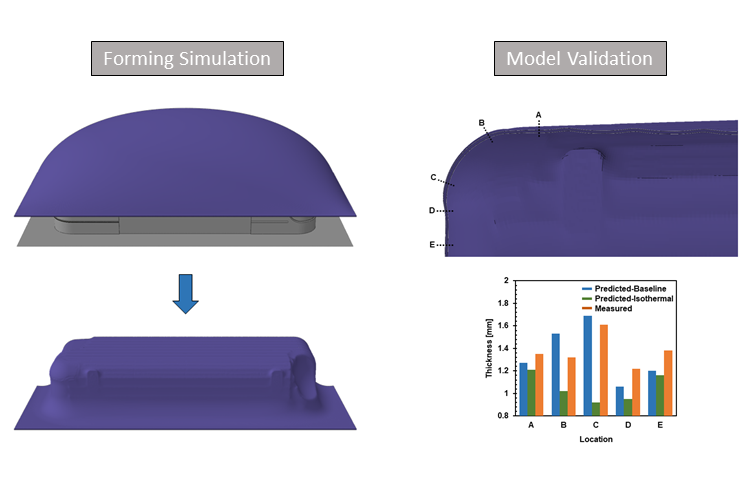
Mahdi and collaborators at the University of Waterloo published the results of their industry-based research project on thermoforming of polycarbonate in the Journal of Manufacturing Processes. Through numerical modeling, this work offers some fundamental understanding on the interaction between polymer deformation and heat transfer processes that influence the thickness distribution in the final product. The article can be viewed here.
Advanced Cleaning Technologies for Remanufacturing
"Cat Reman restores parts at the end their lives to like-new condition, providing you with a cost-effective alternative solution to new Cat parts." This is how the construction machinery and equipment company Caterpillar is attempting to convince its customers about the quality of the parts and components that get a second chance of life through the company's remanufacturing exchange system. Like Caterpillar, many other companies who have initiated remanufacturing programs are emphasizing on the "like-new" condition of their products besides their environmental benefits to pave the way for their adoption in the market.
As a circular economy strategy and a tendency for future manufacturing, remanufacturing can be regarded as an environmentally favorable end-of-life treatment method during which a product is rebuilt to the quality of the original manufactured product using a combination of reused, repaired and new parts. Remanufacturing can offer much greater energy reduction and materials conservation, and has therefore being encouraged through the circular economy framework.
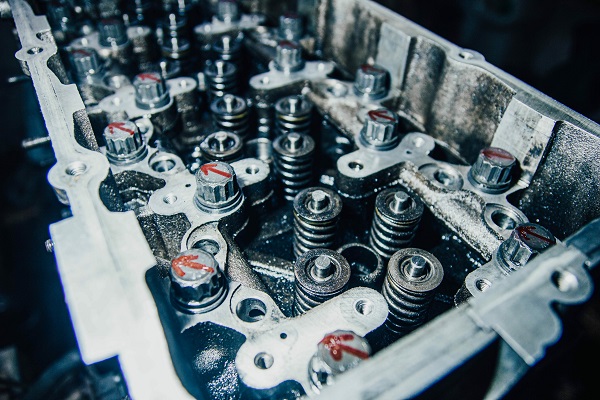
Remanufacturing involves a series of processes such as disassembly, cleaning, inspection, recondition, reassembly, test and packing. Among these, cleaning processes play critical roles and must be executed at different stages along the entire remanufacturing procedure. The cleaning process typically gets rid of paint, carbon deposit, grease, rust on the surface of used components. It is not only important for the physical appearance of the final product, but more importantly facilitates the examining of the wear pattern and microcracks and determining the remanufacturability of parts.
Cleaning technologies are usually not used alone but in succession based on material, complexity, and accessibility of parts. For example, a typical remanufacturing facility combines two conventional methods of high temperature decomposition and shot blasting: firstly, organic chemicals on recovered parts get evaporated and decomposed by heat, and secondly, solid residues on surfaces are eliminated by blasting with hard beads. The removed waste residues after cleaning are typically disposed in the landfill. In an advanced cleaning system, a supercritical fluid (SCF), commonly supercritical CO2, is used to remove contaminants. SCF is a substance with intermediate state between liquid and gas whose low surface tension makes it a good solvent that can infiltrate into details of parts to perform cleaning.
The growth in remanufacturing practices calls for systems that are more effective and efficient in cleaning while being environmentally friendly. The latter requires a detailed life cycle assessment to ensure that the remanufacturing procedure in overall is improving the sustainability performance of the final product. The opportunities to reduce the environmental footprint of cleaning processes are abundant, for example by relying on renewable energies, by replacing volatile organic compounds with less harmful chemicals and solvents, and by managing the waste water produced during the process.
The Caterpillar's Cat Reman program relies on a continuous and long-term relationship with its customers to enable an efficient take-back scheme to support its remanufacturing program. Therefore, similar to many other circular economy strategies, technology and operations must work together effectively to achieve a successful circular practice.

Finland and the Launch of the Circular Economy Forum
Canada will host the World Circular Economy Forum (WCEF) in September of 2021 in Toronto. The gathering was originally scheduled for 2020, but due to the pandemic, this year event moved online and the Toronto forum got postponed to the next year. Being the first WCEF taking place in North America, the event will be an important opportunity for Canada to demonstrate its leadership and innovation with respect to circular economy.
WCEF was first launched in 2017 by Finalnd, on its 100th independence anniversary, as a platform for business leaders, policymakers and experts to network and present their best circular economy solutions. Finland introduced the event as a "gift to the world" in view of the country's leading role in laying the ground for a circular economy.
Juts a year before the first WCEF, the Finish Government had released a roadmap setting the ambition for the country to be a pioneer in bioeconomy and circular economy by 2025. To achieve this goal, Finland fostered an environment of dialogue and cooperation between different sectors and parties in society, and with WCEF2017, they aimed for pushing that partnership and collaboration to a higher level.
The Finish Innovation Fund Sitra, with the support from different ministries, has been the key organization in coordinating national and international efforts on transitioning to the circular economy. As an independent public foundation, Sitra invests in companies and startups to create new profitable businesses in different themes, including Carbon-Neutral Circular Economy.
WCEF2017 identified key elements of a circular economy and showcased solutions from around the world. The second WCEF meeting, held in the city of Yokohama in Japan, presented a vision for a circular future and encouraged wold's leading economies to take steps towards it. Hosted by Finland, WCEF2019 had a strong emphasis on scaling up the circular economy through impactful investments and progressive governance while ensuring a fair and just transition.
The pandemic delayed the Canada's opportunity to host the fourth WCEF in 2020. However, as the governments around the world are developing measures and strategies to stimulate their economies and create jobs, sustainability-related sectors can be regarded as a driver for this shift if we do not want to lose our focus on transitioning to a sustainable future and meeting climate change targets. WCEFonline2020 can be a platform to discuss and advocate this approach.
Supporting Circularity Amid a Pandemic
Despite the significant negative socio-economic impact of the COVID-19 pandemic, lockdown of cities and enforcement of social distancing across the world have brought some relief to the environment, evidenced in better air and water quality as well as reduced greenhouse gas emissions. However, the environmental picture of this pandemic is not all bright and encouraging.
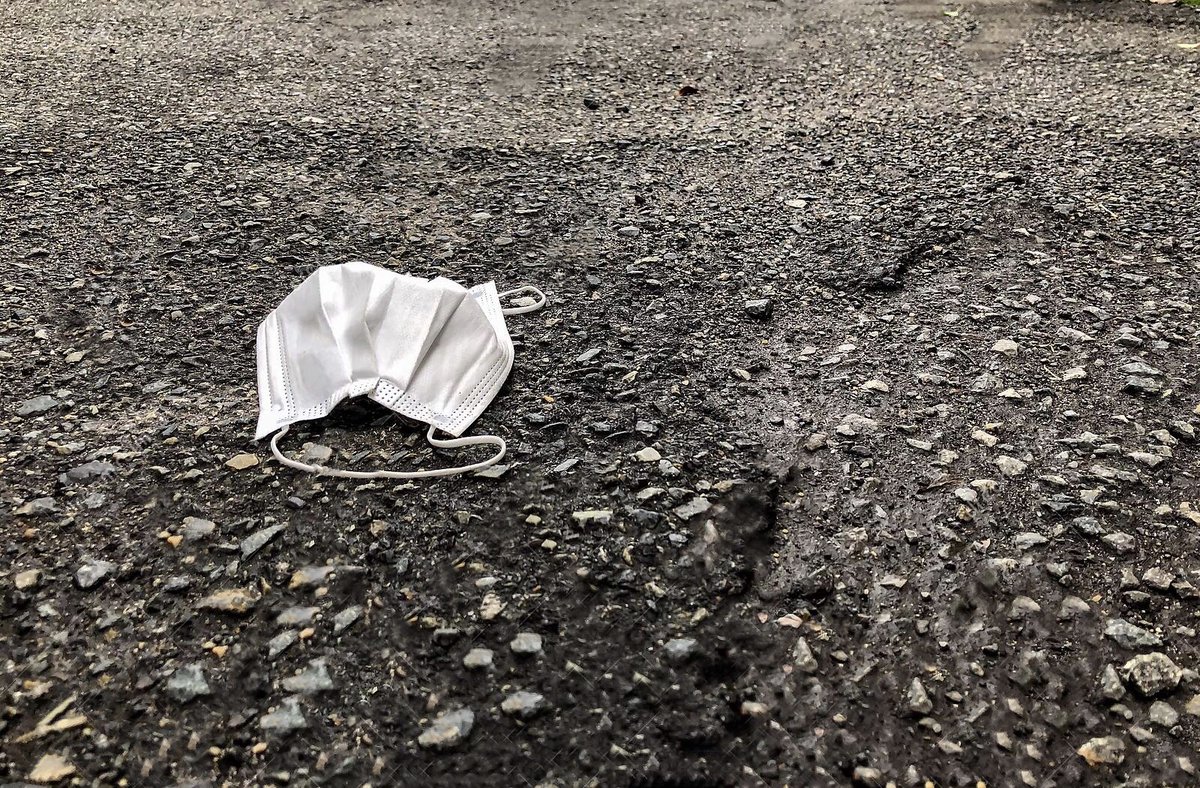
A recent survey by Ontario Waste Management Association shows that the household garbage over the period of March 9th to April 13 has increased by 5% compared to the same period in 2019. There are also multiple reports of the increase in hospital waste, as much as six times at the peak of the outbreak in comparison to the time before the crisis. In addition, concerns over littering due to improper disposal of gloves and masks are growing in different municipalities, and as the new normal with the COVID-19 threat may widely require compulsory mask wearing, not only littering but also the landfilled waste generated due to single-use masks will further pollute the environment.
In this article, we briefly discuss the relevance of the 5R strategy with respect to the efforts aiming to combat COVID-19. At the early stages, the urgency of minimizing the health risk and addressing the supply shortage for personal protective equipment (PPE) might have hindered a holistic and environmentally conscious approach. However, as we are planning a long-term strategy for the current and possible future pandemics, considering other factors in developing solutions are more feasible and deemed necessary. Applying circular economy frameworks to crisis response helps identify opportunities to reduce waste even in emergency situations.
Reuse
While N95 respirators, a type of mask that can filter at least 95% of airborne particles, are designed for single-use, recent studies have been conducted to understand the impact of various decontamination methods on material, fit and seal performance of these masks with the goal of developing guidelines for their reuse. For example, it has been reported that treating N95 with vaporized hydrogen peroxide allows for three reuse cycles before the masks lose their efficacy. This path of studies need to be continued and expanded on all personal protective equipment as well as related single-use devices, such as breathing circuits, to thoroughly identify opportunities for reuse without compromising health and safety. In addition, manufacturers of these equipment and devices can play an important role by bringing design for reusability in their practice to expand the potentials of their products for challenging times as the one we are experiencing with COVID-19. Also, when it comes to public health, the potential efficacy of non-medical masks to contain the spread of the virus can open up more opportunities for reuse, e.g., through washing, which might not be applicable to the ones used by healthcare providers.
Reduce
Innovation in materials can reduce the waste generated by disposable PPE through, for example, reducing the thickness of the final product or enhancing its durability to avoid failure during service (check glove producer Eagle for an example of such efforts). The reduction in material use can also be achieved by changing the public behavior. For example, while wearing masks have been encouraged by health officials, such recommendations for gloves have not been provided and even some have questioned wearing them in public places as a protective measure. Clearly, discouraging the use of gloves can reduce the amount of plastic waste generated.
Recycle
Whereas there are already programs in place to manage the recycling of non-hazardous gloves (e.g., the RightCycle program by Kimberly-Clark for its Nitrile gloves, or the partnership between Eagle and TerraCycle), the contamination and health risks associated with gloves and other plastic PPE is preventing these products to be handled and processed for recycling. Despite this, the opportunity for improving circularity and recyclability of their packaging is not constrained.
Renew
Using bio-based, biodegradable or compostable materials in manufacturing of PPE and single-use medical devices can help alleviate the excessive use of these products during outbreak situations. For example, there has been some efforts in making gowns and other protective equipment using polylactic acid (PLA) which is a naturally sourced, biodegradable plastic. However, the potential decomposition of a material in nature or in a composting facility does not necessarily give them the credibility of a sustainable and circular product. For example, while latex gloves, which are made of natural rubber, are biodegradable, the chemical additives present in the product can be harmful to the environment.
Remanufacture
Ventilators became a priority equipment for hospitals to treat COVID-19 patients experiencing severe symptoms. Their shortage at the peak of the outbreak stimulated the manufacturing and supply of many of these devices across the world. While the initial designs of these ventilators might not facilitate extended life, reparability and remanufacturability, designers and manufacturers can take initiatives to enhance the circularity of these devices and ensure their long-run operations.
How Expanding Wood Utilization Impacts the Circular Economy
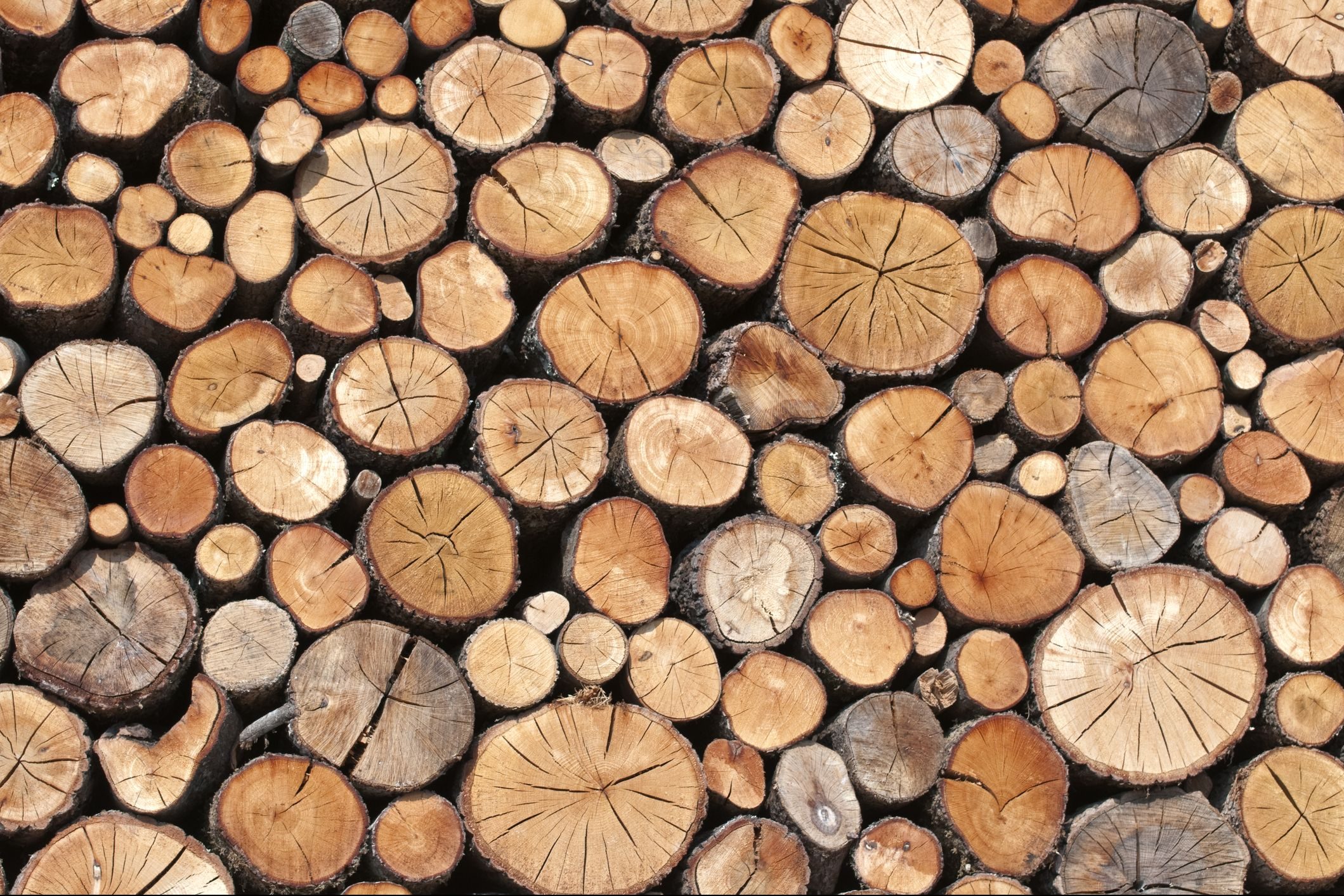
The 2019 Wood Solutions Conference in Vancouver featured a presentation by the Norwegian company Voll Arkitekter about the design and construction of Mjøstårnet, the world's tallest timber building with 18 storeys, completed in March 2019. This building exemplifies the considerable efforts across the world, including British Columbia, to push the limit on utilizing wood in the construction industry. As these initiatives continue to grow and attain establishment, the question about their relevance to our goal of building a circular economy becomes of more importance. While the cascading use of wood, a framework to promote non-fuel applications of wood whenever possible, has a long history, circular economy is bringing new requirements into our perspective for managing wood products.
A renewable resource
Wood is a natural material, abundantly available and easy to produce, thus becoming an excellent material for the circular economy. When it comes to the construction industry, the intensive production energy of some building materials also favors wood as a more sustainable low-energy alternative. In addition, the capacity of wood to capture and store CO2 from the atmosphere helps to mitigate climate change. Despite these benefits, the complications with respect to circular economy and 5R strategy arise when the technological approaches adopted for expanding wood applications are taken into account, as some might hinder circularity and prevent sustainable end-of-life solutions.
Improving durability and strength: are the solutions circular?
Extending the lifespan of wood products, which is also desired by the circular economy principles, entails improving wood resistance against mold and insects, as well as increasing its durability against moisture and sunlight. These requirements have led to the development of many treatment methods that integrate chemicals into wood to enhance its properties. These modifications of wood can impose restrictions on possible pathways for circularity and second life.
Moreover, increasing the load-bearing capacity of wood has led to the development of engineered wood materials, which can potentially complicate the environmental performance of wood in the economy. For example, the fabrication of cross-laminated timber, a key structural material in Mjøstårnet, requires using glues to bond layers of wood lamellae. This multi-material structure can bring about new challenges for recycle and repair which is not present when dealing with unmodified wood.
To ensure long-term sustainability, these innovation efforts need to be accompanied with circular and life cycle thinking at the early stages of product and process development. This will ensure that health and disposal aspects of the chemicals used in the treatment are well understood and the problematic substances are eliminated. In addition, by allowing the design for circularity to guide the development process, the possibilities of next lives for the product and its constituents would be well taken into account.
On the path towards improved circularity, material and manufacturing innovations can play important roles, as well. Bio-based coatings, glues and additives that can be safely disposed to the biological cycle during the recycling process are examples of these innovations. In addition, new technologies are under development that create bonding between wood pieces through mechanical processes, thus eliminating chemicals in the structure. Laboratory testing and R&D services can validate the safety and biodegradability of these bio-based alternatives before market introduction.
Design innovations can also facilitate material recovery, repair, and remanufacture for wood products. As an example, the timber construction of the Cradle building in Düsseldorf, Germany, to be completed in 2022, has been designed for easy dismantling of the building façade. Needless to say, these design modifications must be complemented with changes in demolition practices to facilitate the recovery of material.
The efforts to promote circularity and 5R with respect to wood is not limited to the construction sector. The European Union's Waste Framework Directive requires that 25 percent of wood packaging (e.g., wooden pallets) be recycled in 2025. This can also encourage the repair of these products. The furniture industry is also witnessing the emergence of new circular business models, e.g., Desko in Europe, aiming to promote the remanufacture and refurbishment of office furniture, including the ones made of wood.
Getting the most out of the by-products
The desire in expanding the use of wood as a material resource will also result in an increase in the amount of by-products generated during wood processing operations. Examples of these by-products are bark, the outermost layers of stems, and sawdust whose fate need to be accounted for in a holistic circular framework for wood products. So far, these materials have been mostly burnt into energy; however, more policies and regulations are expected to emerge that encourage other application paths for them.
For example, the antimicrobial and antioxidative compounds found in the wood bark can found applications in pharmaceutical, cosmetic and food industries. Additionally, the high concentration of lignin, the binding agent of wood fibers, in bark can feed the research and commercialization efforts on developing value-added products from lignin, such as carbon fibers and 3d-printing filaments.
Forests: climate change mitigation vs wood production
While the expectations from forests to provide material resources for our future economy is high, they are also playing an important role in capturing carbon dioxide from the atmosphere and thus alleviating climate change. In this regard, proper sourcing of wood becomes critical, and guidance from organizations like PEFC and FSC on sustainably managed forests can help designers and developers make informed decisions regarding their material sourcing. This will ensure a sustainable supply of wood as a renewable material for the emerging circular economy without compromising the benefits trees and forests are offering to our environment.
 Originating from Barcelona, Laia’s educational journey led her to pursue secondary studies in the south of France. Her Bachelor’s degree in Economics and International Management allowed her to develop an analytical mindset. During her Master’s in International Business and Management, she engaged in numerous research study cases and actively participated in the creation of different business plans. This helped her develop an ability to critically analyze and address the strategic challenges that companies encounter.
 Andre has over 5 years of industry experience in project management, polymer and composite processing, materials characterization, and product development. He earned a Bachelor’s degree in Chemical Engineering from the Federal University of Santa Maria, Brazil, and a Ph.D. in Materials Science and Technology from the Federal University of Rio Grande do Sul, where he focused on Polymer and Composite materials. In 2012, he founded a design and manufacturing company specializing in biocomposites made with natural fibers, which he successfully sold in 2015.
 As an expert in sustainability, life cycle assessment, circular economy, and green chemistry, Nicolas possesses valuable skills and knowledge that can assist companies in developing and implementing sustainable and environmentally-friendly business models. They can achieve this by utilizing eco-friendly materials, improving manufacturing processes, reducing waste and hazardous chemical use, and advocating for the use of safer and more sustainable alternatives.
 Karan is an experienced professional who has worked in multiple geographies and roles along his career. He holds a total of 10+ years of experience in manufacturing operations, and has focused his efforts towards finding solutions for waste recovery and making recovery economical for industries.
  With several years of research experience in France and Canada, Fabien lends his expertise and passion for enzymology and microbiology to 5REDO’s sustainability innovation plans.
  With her significant hands-on experience in developing and characterizing biological and chemical systems, Vicky plays a key role in 5REDO’s efforts toward developing novel products and technologies that offer improved circularity and sustainability to the industry and society.
  As a recent graduate of chemical engineering from the University of Waterloo, Kyle brings his passion for impactful innovation and his experience with novel recycling processes to 5REDO to support our technology development initiatives.
  As our Senior Research Scientist, Hormoz draws on his eight years of industrial and nine years of academic research experience in the areas of polymer science and engineering to develop new solutions for advancing circularity and sustainability.
 Shauna is a freelance journalist that covers a wide range of topics, including health, education, the environment, travel, lifestyle trends, and more. She holds a Master of Journalism from Carleton University, and a Bachelor of Arts (Honours) in Global Development from Queen’s University.
 By leveraging her expertise in life cycle analysis and process engineering, Ophela helps 5REDO to take a holistic approach to the development of circular solutions and technologies.
  As the co-founder of 5REDO, Forough brings her expertise in supply chain management, business operations, inventory control, and revenue management to support the implementation of circular solutions within different industry sectors.
 With a passion for driving change and creating impact, Mahdi co-founded 5REDO to promote circular economy principles in Canada. He’s an alumnus of the 2021 Ellen MacArthur Foundation’s ‘From Linear to Circular Programme.’ Mahdi played a pivotal role in developing and managing the University of British Columbia’s (UBC) Circular Economy Seed Funding program, fostering partnerships between companies and academic researchers to co-create circular solutions.