

The Covid-19 pandemic has boosted e-commerce and online shopping to a great extent—a trend that will most likely continue in the future. This has led to a significant increase in the amount of carboard boxes that rest in the hands of consumers making them more responsible for circularity of cardboard materials by properly disposing shipment boxes.
Cardboard and paper wastes are among those materials that are routinely collected and recycled across the world: as of 2019, 86% and 66% in the European Union and USA, respectively. With these numbers, cardboard has the best recycling record of any packaging material. It is estimated that every ton of recycled cardboard saves 7 cubic meters of landfill space. The recycling of cardboard also offers energy saving given that the process only uses around 75 percent of the energy needed to make new cardboard.
Being made of wood feedstock, cardboards are composed of 40–80% cellulose, 5–15% hemicellulose, and minor traces of lignin. While paper and cardboard can be recycled multiple times (2.4 times in average), individual fibers become shortened during each recycling process and therefore loses their efficacy for production of a recycled paper or cardboard. These short fibers along with other contaminations like inks are removed as a sludge, which are commonly disposed into landfills. Several options have been suggested to valorize this sludge, including its use as an ingredient in building materials, feedstock for nanocellulose and lactic acid, or for biogas production. However, none of these added-value solutions have been adopted at scale. Techno-economic analysis and life cycle assessment can help evaluate which valorization pathway for cardboard sludge offers the best environmental and economic outcomes.
The increase in the use of cardboard as a packaging material, due to the rise of e-commerce, complies with Renew and Recycle principles of circular economy and therefore may not seem concerning. However, as cardboard cannot be recycled infinitely, Reduce strategy becomes highly relevant to manufacturers and retailers to address overpackaging, which can have implications for both logistics and materials sustainability. In addition, end consumers are now playing greater roles in supporting the circular supply chain of cardboards. The fibers that are tossed into the trash loses their chance to appear again in a new manufactured cardboard. This entails some educational initiatives led by big online retailors to inform consumers of their increased responsibility for managing the end of life of packaging materials.
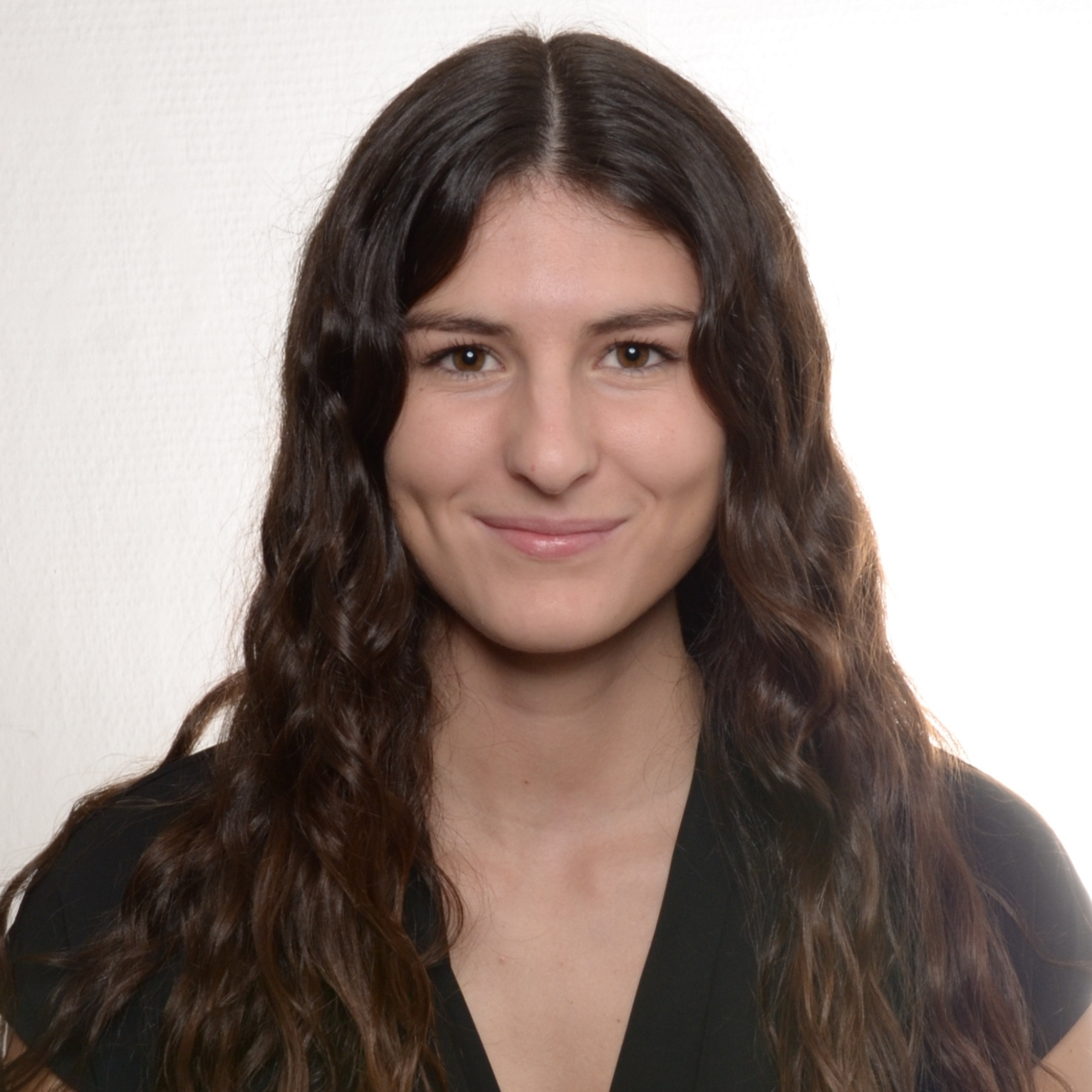 Originating from Barcelona, Laia’s educational journey led her to pursue secondary studies in the south of France. Her Bachelor’s degree in Economics and International Management allowed her to develop an analytical mindset. During her Master’s in International Business and Management, she engaged in numerous research study cases and actively participated in the creation of different business plans. This helped her develop an ability to critically analyze and address the strategic challenges that companies encounter.
 Andre has over 5 years of industry experience in project management, polymer and composite processing, materials characterization, and product development. He earned a Bachelor’s degree in Chemical Engineering from the Federal University of Santa Maria, Brazil, and a Ph.D. in Materials Science and Technology from the Federal University of Rio Grande do Sul, where he focused on Polymer and Composite materials. In 2012, he founded a design and manufacturing company specializing in biocomposites made with natural fibers, which he successfully sold in 2015.
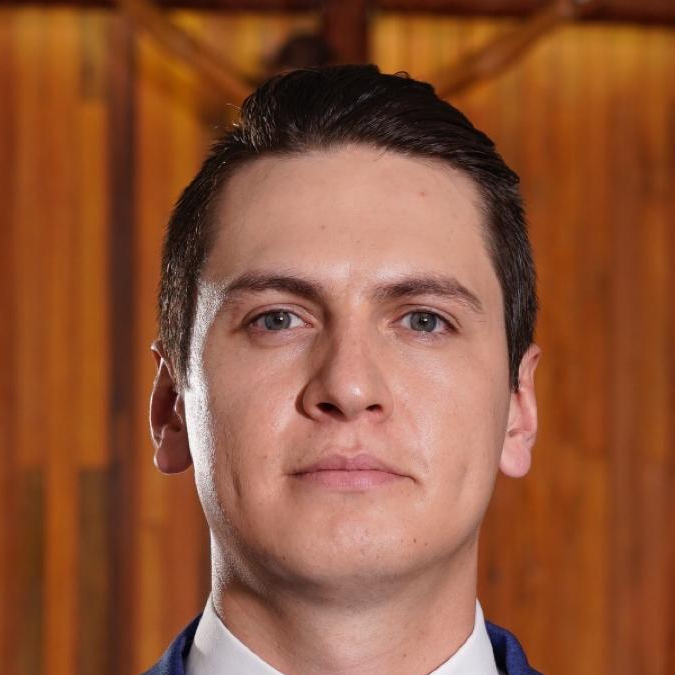 As an expert in sustainability, life cycle assessment, circular economy, and green chemistry, Nicolas possesses valuable skills and knowledge that can assist companies in developing and implementing sustainable and environmentally-friendly business models. They can achieve this by utilizing eco-friendly materials, improving manufacturing processes, reducing waste and hazardous chemical use, and advocating for the use of safer and more sustainable alternatives.
 Karan is an experienced professional who has worked in multiple geographies and roles along his career. He holds a total of 10+ years of experience in manufacturing operations, and has focused his efforts towards finding solutions for waste recovery and making recovery economical for industries.
  With several years of research experience in France and Canada, Fabien lends his expertise and passion for enzymology and microbiology to 5REDO’s sustainability innovation plans.
  With her significant hands-on experience in developing and characterizing biological and chemical systems, Vicky plays a key role in 5REDO’s efforts toward developing novel products and technologies that offer improved circularity and sustainability to the industry and society.
  As a recent graduate of chemical engineering from the University of Waterloo, Kyle brings his passion for impactful innovation and his experience with novel recycling processes to 5REDO to support our technology development initiatives.
  As our Senior Research Scientist, Hormoz draws on his eight years of industrial and nine years of academic research experience in the areas of polymer science and engineering to develop new solutions for advancing circularity and sustainability.
 Shauna is a freelance journalist that covers a wide range of topics, including health, education, the environment, travel, lifestyle trends, and more. She holds a Master of Journalism from Carleton University, and a Bachelor of Arts (Honours) in Global Development from Queen’s University.
 By leveraging her expertise in life cycle analysis and process engineering, Ophela helps 5REDO to take a holistic approach to the development of circular solutions and technologies.
  As the co-founder of 5REDO, Forough brings her expertise in supply chain management, business operations, inventory control, and revenue management to support the implementation of circular solutions within different industry sectors.
 With a passion for driving change and creating impact, Mahdi co-founded 5REDO to promote circular economy principles in Canada. He’s an alumnus of the 2021 Ellen MacArthur Foundation’s ‘From Linear to Circular Programme.’ Mahdi played a pivotal role in developing and managing the University of British Columbia’s (UBC) Circular Economy Seed Funding program, fostering partnerships between companies and academic researchers to co-create circular solutions.