

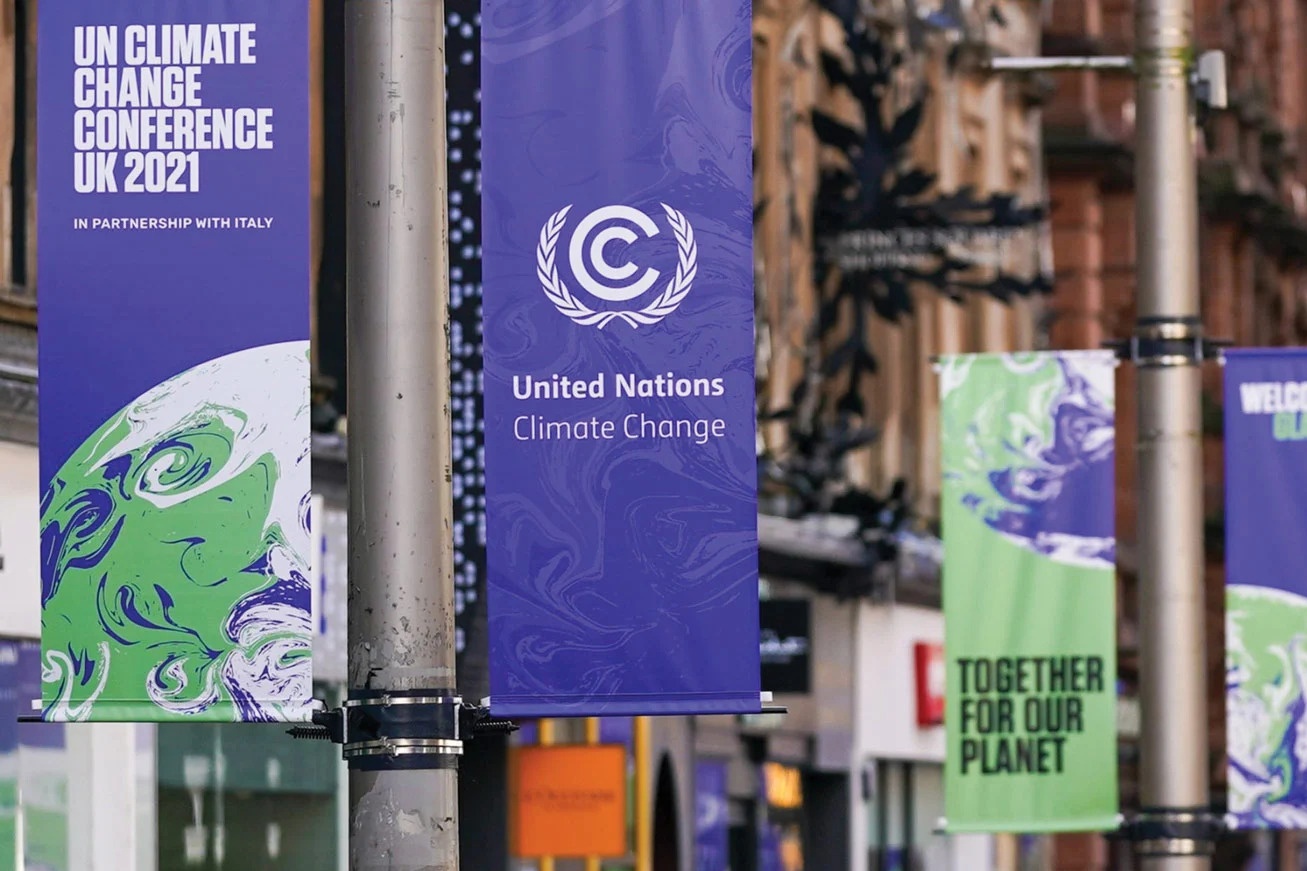
Highlights from COP26: What Does It Mean for the Circular Economy in Canada?
By Shauna McGinn
The 2021 United Nations Climate Change Conference, or COP26, in Glasgow, Scotland officially came to an end this weekend. For the past couple of weeks, nations from across the globe have negotiated on some of the most pressing climate change issues of our time, from coal production to methane emissions. At 5REDO, we’re always paying close attention to actions in the climate change and circular economy space. Here’s what some of the core agreements and issues at COP26 could mean for the circular economy here in Canada and around the world.
General highlights
Fossil fuel and coal production agreement
Led by the U.K., this deal was initially intended to push nations to accelerate the phasing out of coal production and various fossil fuel subsidies. Some advocates claim the language within it was ultimately “watered down”, calling for movement towards “low-emission energy systems” and doing away with “inefficient subsidies for fossil fuels”. While this isn’t as strong of a push as originally hoped for, specific mention of targeting coal and fossil fuels has yet to even be part of a COP agreement until now.
Curbing methane emissions
More than 100 countries have signed on to the Global Methane Pledge, a commitment to cut methane emissions by at least 30% by 2030. Brazil as well as Canada, two of the world’s major methane producers, have signed on.
Addressing deforestation
There is a similar outlook for the issue of deforestation, with over 100 nations again setting the target of 2030 for ending it entirely. Although this is a big goal, billions have been earmarked by participating countries to help achieve it.
What does this mean for Canada and the circular economy?
The agreements at COP26 and other climate forums have the potential to accelerate the shift to a circular economy, meaning a structure that prioritizes innovation, sustainability, and greater use of and reliance on renewable resources. Circularity integration strategies can help businesses align with climate commitments by identifying opportunities to reduce emissions through better material use and extended product lifecycles. Many of the goals named at COP26 have to do with cutting emissions, as well as the use of environmentally harmful methods. This means that we need alternatives to the traditional way of doing things.
If many countries, including Canada, are aiming to rely less on the traditional way, industry will be further pushed to innovate and find sustainable ways to produce and deliver energy. Simply put, shifting to a circular economy can not only help cut emissions, but help transition nations and businesses to a system that is better for our climate and can help meet the kinds of goals set at COP26.
Better targets for reducing greenhouse gas emissions
Canada upped its previous pledge to decrease greenhouse gas emissions from 30% to 40% by 2030. Some of the top emitters of greenhouse gases are things we use and rely on every day, like transportation (with traditional combustion engines), electricity, and heating. The circular economy means re-working some of these major emitters through innovation, extending and better utilizing all products throughout a supply chain, and changing our approach to consumption and waste.
More dollars behind clean energy
Although the conference’s pledge on coal and fossil fuels isn’t, by some accounts, as strong as it needs to be, some countries including Canada, the U.S., and the U.K., alongside top financial institutions, committed to ending international development financing for coal, oil and gas by the end of 2022, as well as prioritizing clean energy finance. Ideally, this would mean a greater boost for organizations, companies, and others innovating in the circular economy and renewable energy space. This will help accelerate change, and direct resources where they need to go.
Explicit standards for sustainability
A less discussed, but intriguing move out of COP26 is the announcement of the International Sustainability Standards Board (ISSB), established by the International Financial Reporting Standards (IFRS) group. They’re calling this board “a comprehensive global baseline of high-quality sustainability disclosure standards to meet investors’ information needs.” Finance ministers at the conference, including those from Canada, welcomed the agreement. While it’s still unclear how this will be regulated, this shift indicates a desire for greater transparency about what financial institutions and companies are doing for sustainability.
At 5REDO, one of our priorities is to help businesses better see and understand their environmental impact. As the ISSB suggests, some companies may soon be asked to disclose the dollars behind their sustainability efforts, which could become the norm going forward. It’s a signal that industry must begin to build greater awareness of the environment and sustainability.
Although conferences like COP26 often draw criticism for not taking enough concrete action, they serve as a checkpoint for us to understand more about the urgent issues and priorities in the climate crisis. As with others in the circular economy space, at 5REDO, we’ll be keeping a close eye on how the ideas, agreements, and pledges from COP26 continue to evolve.
Resources & further reading
- What Canada did – and didn’t do – at the UN climate summit
- COP26 Week one recap
- COP 26 Climate Commitments Tracker
- Statement on US-EU Global Methane Pledge
- Bloomberg: How a Global Carbon Market Could Accelerate Net-Zero
- CTV — Reducing emissions: Is Canada’s target feasible?

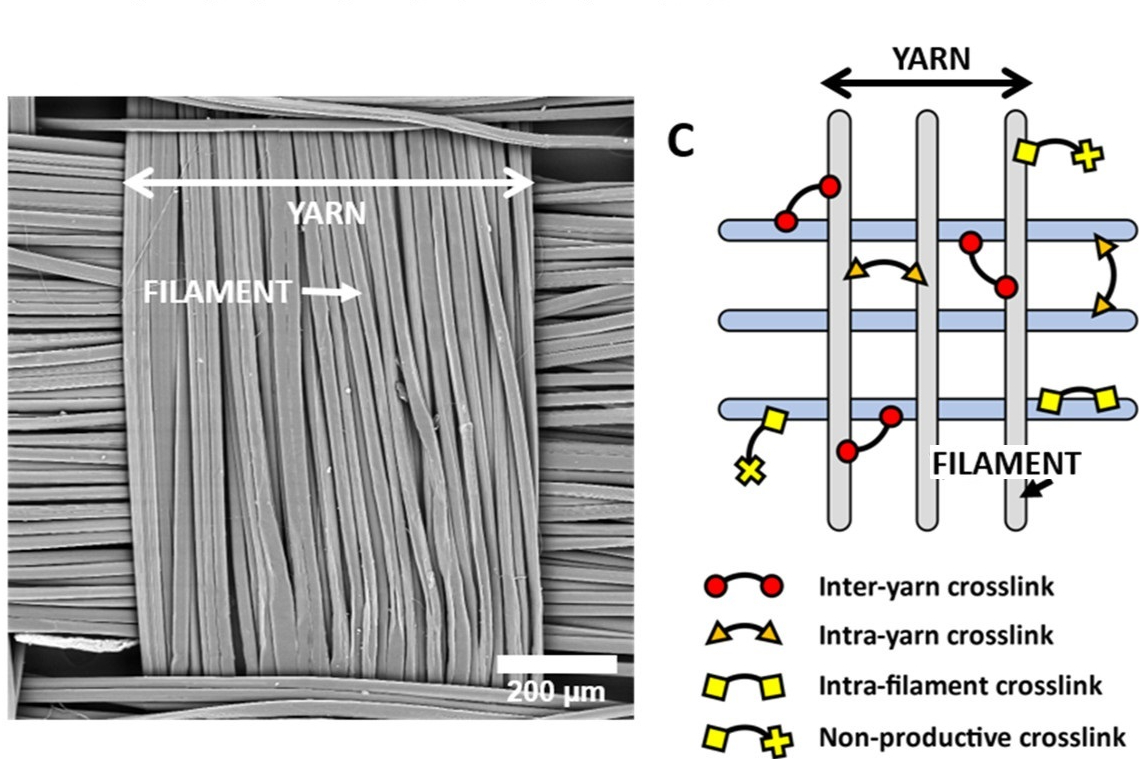
Research on Polyethylene Fabric Published in ASC Applied Polymer Materials
A new research paper that includes the contribution of 5REDO's CEO got published in American Chemical Society's Applied Polymer Materials journal. This work demonstrates the enhanced mechanical performance of woven ultra-high molecular weight polyethylene (UHMWPE) fabric cross-linked with a small-molecule bis-diazirine reagent. The article can be accessed here.
5REDO Granted a Permit to Practice from EGBC
We are pleased to announce that effective September 11, 2021, 5R Enabler Designs and Operations Inc. has been issued a Permit to Practice and is now a Registrant Firm with Engineers and Geoscientists British Columbia (EGBC). This permit grants our company the legal authority to engage in the practice of professional engineering in BC.

Mahdi Receives FLTC Certificate from The Ellen MacArthur Foundation
From Linear to Circular (FLTC) is one of the flagship learning programmes offered by The Ellen MacArthur Foundation, a leading organization in promoting the circular economy. Mahdi was selected into the programme out of 1300 applicants from 46 countries. As part of this training programme, Mahdi and his team members proposed a one-year strategic and business development plan to a sustainable packaging company based in the United States.

Shedding Light on Complications Behind Corporate Greenwashing
Written by Ophela Zhang, a master's student of chemical engineering at the University of Toronto and a co-op at 5REDO
With increasing awareness on dire environmental repercussions of traditional production and consumption practices, there have been an upsurge in governmental regulations across the globe to reduce carbon emissions and change business as usual. This, alongside with the ever connectedness brought on by the internet and societal consciousness for environmental issues, has put a lot of demand on corporations to change the way they do business so that environmental impacts are taken into consideration. As corporations embark on this path, the issue of corporate greenwashing surfaces.
"Greenwashing involves companies either misleading consumers about the green credentials of a product or service, or misleading consumers about the environmental performance of the company as a whole” [1]. A number of corporations are, or have been, under the scrutiny of greenwashing for reasons that can be broadly categorized as follows:
- Exaggerating the “environmental friendliness” (e.g. recyclability) of a product/service
- Lacking in transparency around sustainability progress
This article will discuss the complications associated with each of the aforementioned points and possible strategies for addressing them.
Exaggerating the “environmental friendliness” of a product/service
In February of 2021, Coca-Cola reveled its plan to reduce plastic waste by introducing recycled plastic bottles for some of its products [2]. The plan has received backlash for being an attempt of greenwashing. The arguments are mainly around the point that simply reducing the use of new plastic by around 20% will not make a difference considering that Coca-Cola is the world’s worst plastic polluter. Undoubtedly, plastic pollution is currently one of the major environmental concerns and plastic bottles make up a large portion of this pollution. However, there are a lot more factors at play next to corporations selling products packed in plastic bottles.
Coca-Cola is not a manufacturer of plastic bottles; the company sources the resin used for packaging from a supplier. In order for Coca-Cola to reduce the use of plastic material, or at least virgin plastic, they will need to find new/additional suppliers that would provide that. One of the most straightforward alternatives to using virgin plastic is to use recycled plastic, which is itself a complicated process. According to a study on the Canadian plastic industry done by Deloitte for Environment and Climate Change Canada [3], only 9% of the plastic produced in Canada is recycled in 2016. This small percentage could stem from a combination of multiple factors such as lack of infrastructure and technology, difficulties in separation of different plastic types, low demand for recycled plastics, and lack of societal compliance in recycling. Thus, when there is a significant disproportionality in material availability (new vs. recycled plastic), it poses a challenge for corporations such as Coca-Cola, which produces 3,400 bottles a second [2], to make the switch, and therefore, reducing the use of new plastic by 20% could be argued to be significant, as an initial step.
On the other hand, Coca-Cola’s initiative also includes the introduction of a smaller 13.2 oz bottle along with its rPET (recycled polyethylene terephthalate) version of traditional bottles [2]. The introduction of this smaller bottle undermines, if not completely, the company’s effort in reducing their plastic waste. A smaller bottle will impose more burden on waste collection and recycling systems, which as mentioned before, are already a limiting factor in producing recycled plastic products. In addition, the 13.2 oz bottle will be slightly larger than a can, which could potentially lead to a consumer shift from recyclable, canned containers.
In order to prevent/address the issue of exaggerating the “environmental friendliness” of a product/service, corporations should therefore commit themselves to more than the buzzwords trending right now. Instead, they should take into account the entire life cycle of a product and the players involved in each step. For example, Evian released label-free bottles in July 2020 in their attempt to reduce plastic waste [4]. The labels on bottles are thin plastic films that are more difficult to process in recycling facilities because they have the tendency to clog the equipment; eliminating them is therefore an effective approach in increasing the recycling efficiency.
Lacking in transparency around sustainability progress
Expectations from organizations regarding their sustainability messages are increasing. Businesses are asked more and more to diligently address environmental challenges through strategic business decisions. In 2020, ESG (environmental, social, and governance) investing broke into the mainstream, as it performed relatively steady when the market took a nosedive due to the pandemic [5]. What followed is the concern of greenwashing and false claiming of ESG; in early March of 2021, the U.S. Securities and Exchange Commission (SEC) announced that it was creating a Climate and ESG Task Force to “proactively identify ESG-related misconduct” [6].
However, sustainability reporting is not a straightforward task. Environmental impact can be characterized by a plethora of indices (global warming potential, eutrophication, human toxicity, acidification, abiotic depletion, etc.) via life cycle assessment (LCA) and sometimes different indices will indicate opposing results. The EU taxonomy, a classification system that establishes a list of environmentally sustainable economic activities [7], has 593 pages [5] which speaks to the complexity of the issue. Even with such an extensive report, there is still concern whether a one-size-fits-all solution is applicable for sustainable practices.
As such, corporations need to juggle between clearly articulating their sustainability progress with the public and avoiding too extensive or technical details. Regardless, the need for transparency is irrefutable. Large corporations and their C-suites are best at projecting confidence, managing risk, and creating followership [8]. However, without transparency, this will lead to harmful public perception and ultimately loss of market share.
Building the trust
To conclude, corporations are experiencing a critical transition in which they need to consider environmental impacts of their business practices, but often face criticism of greenwashing during this process. Implementing more sustainable practices is not straightforward due to the many parties involved, and being transparent in terms of sustainability progress will become complicated due to the many facets that environmental impact encompasses. However, both of these issues need to be addressed and the strategies/considerations listed below could benefit such attempts:
- Change current practices within the organization before changing materials that need to be sourced from elsewhere
- Increase production efficiency (reduce waste or recycle during production)
- Do not forget about the ultimate agenda of decreasing environmental impact when chasing after buzzwords
- It is near impossible to find a “perfect” solution that does zero harm to the environment, but it is still better than no change
- Provide consistent updates on sustainability progress to the public; use data and evidence instead of blank statements
References
[1] J. Osman, "Greenwashing: the tipping point," ClientEarth, 2 November 2020. [Online]. Available: https://www.clientearth.org/latest/latest-updates/stories/greenwashing-the-tipping-point/. [Accessed 17 June 2021].
[2] J. Hahn, "Coca-Cola's plans to reduce plastic waste "simply don't go far enough"," dezeen, 9 February 2021. [Online]. Available: https://www.dezeen.com/2021/02/09/coca-cola-recycled-plastic-bottles-pollution/. [Accessed 17 June 2021].
[3] J. Solly, G. Poissonnier, J. Petigny, C. Ménigault, T. Luisce, E. Harscoët, A. David, A. Mitsios, M. Laberge, D. Lysenko, P. Moore and A. Dimoff, "Economic Study of the Canadian Plastic Industry, Markets and Waste," Environment and Climate Change Canada, Gatineau, 2019.
[4] N. Hitti, "Evian releases label-free bottle made from recycled plastic as it embraces the circular economy," dezeen, 21 July 2020. [Online]. Available: https://www.dezeen.com/2020/07/21/evian-label-free-water-bottle-recycled-plastic/. [Accessed 17 June 2021].
[5] B. Nauman, G. Tett, P. Temple-West and K. Talman, "Europe’s green taxonomy: the new Basel?," Financial Times, 19 March 2021. [Online]. Available: https://www.ft.com/content/0b0a043b-f12d-45e7-80fe-a83a594e2f37. [Accessed 17 June 2021].
[6] U.S. Securities and Exchange Commission, "SEC Announces Enforcement Task Force Focused on Climate and ESG Issues," U.S. Securities and Exchange Commission, 4 March 2021. [Online]. Available: https://www.sec.gov/news/press-release/2021-42. [Accessed 17 June 2021].
[7] European Commission, "EU taxonomy for sustainable activities," European Commission, [Online]. Available: https://ec.europa.eu/info/business-economy-euro/banking-and-finance/sustainable-finance/eu-taxonomy-sustainable-activities_en. [Accessed 17 June 2021].
[8] B. River, "The Increasing Dangers Of Corporate Greenwashing In The Era Of Sustainability," Forbes, 29 April 2021. [Online]. Available: https://www.forbes.com/sites/beauriver/2021/04/29/the-increasing-dangers-of-corporate-greenwashing-in-the-era-of-sustainability/?sh=150b589a4a32. [Accessed 17 June 2021].
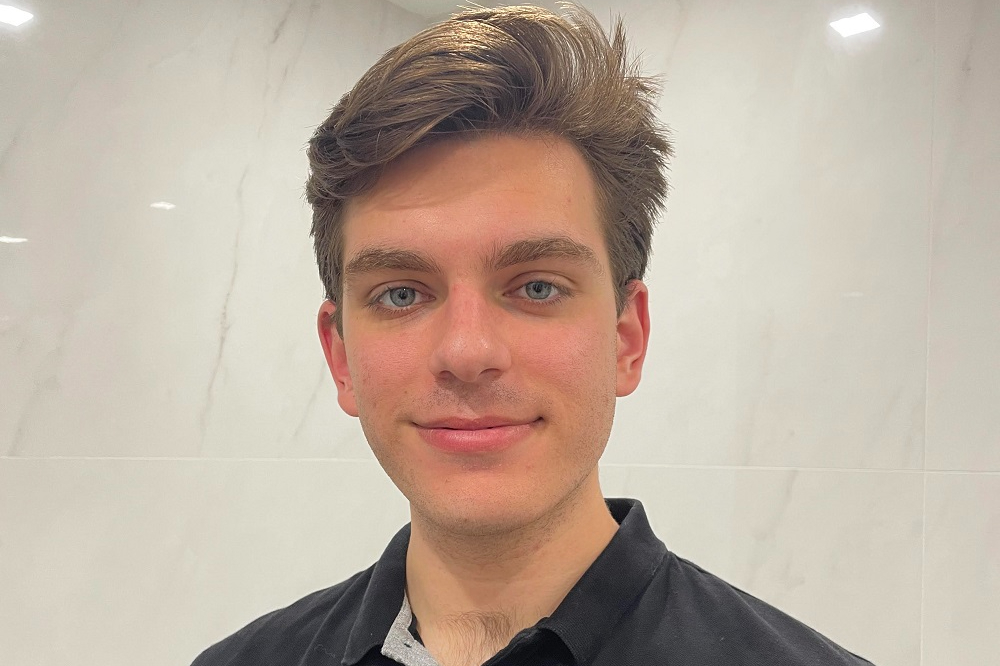
Mychael Explores Sustainability Innovations as Our Summer Intern
We are welcoming Mychael Ittah to our team this summer. Mychael is completing his third year of undergraduate studies in Bioresource Engineering at McGill University. So far, he has gained an outstanding GPA of 3.67/4.0.
Mychael has been involved in several engineering projects at McGill including design and construction of a “Green Wall” plant and fungi growth system, anaerobic digestor design to produce methane, and NASA Deep Space Food Challenge. He has also worked for a number of companies as a technical consultant intern, laboratory assistant, and data analyst.
With a passion for advancing circular economy, Mychael will be involved in projects related to sustainable materials and engineering design at 5REDO.
Mahdi Accepted to Ellen MacArthur Foundation's FLTC Programme
It is a great honour for 5REDO and its co-founder, Mahdi, to be accepted to participate in the Ellen MacArthur Foundation's From Linear to Circular (FLTC) learning programme. Created and offered by the world's leading organization on the circular economy, FLTC aims to help postgraduate students and professionals at the start of their circular economy career equip with the skills and knowledge required to play a part in advancing this paradigm.
Out of nearly 1300 applications from across the globe, the selection committee accepted 186 people to participate in FLTC 2021.
Co-Author on a Paper Published in Chemical Science
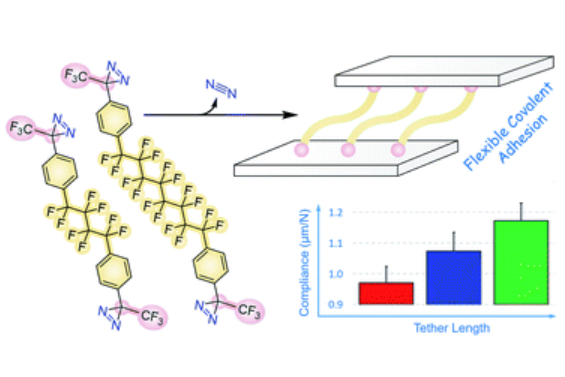
Mahdi's contribution to a collaborative research between University of British Columbia and University of Victoria led to a publication in the Journal of Chemical Science. The work introduces new types of crosslinkers for polymer materials which could also act as strong adhesives when applied between two polymer surfaces. The article can be found here.

Welcoming Ophela as Our Co-op LCA Researcher
We are excited to have Ophela Zhang in our team as a co-op student with expertise in process engineering and life cycle assessment. A graduate of Chemical and Biological Engineering from the University of British Columbia (UBC), Ophela is currently pursuing a Master of Engineering's degree in Chemical Engineering and Applied Chemistry at the University of Toronto.
During her undergraduate study, Ophela went on an internship at MINIWIZ in Taiwan where she provided research and design support to a number of company's projects focused on upcycling waste streams to consumer goods and construction materials. In addition, she gained research experience in process improvement of biofuels production from wood chips as well as microalgae by assisting and leading a couple of projects at UBC. As her capstone undergraduate project, she co-designed a biorefinery process for production of Polylactic Acid (PLA) plastic form sugarcane bagasse.
Ophela will support 5REDO with the development of an integrated approach to environmental assessment of products and processes by combining life cycle assessment methods and circular economy indicators.
Dylan Joins 5REDO as a Materials Researcher Co-op Student
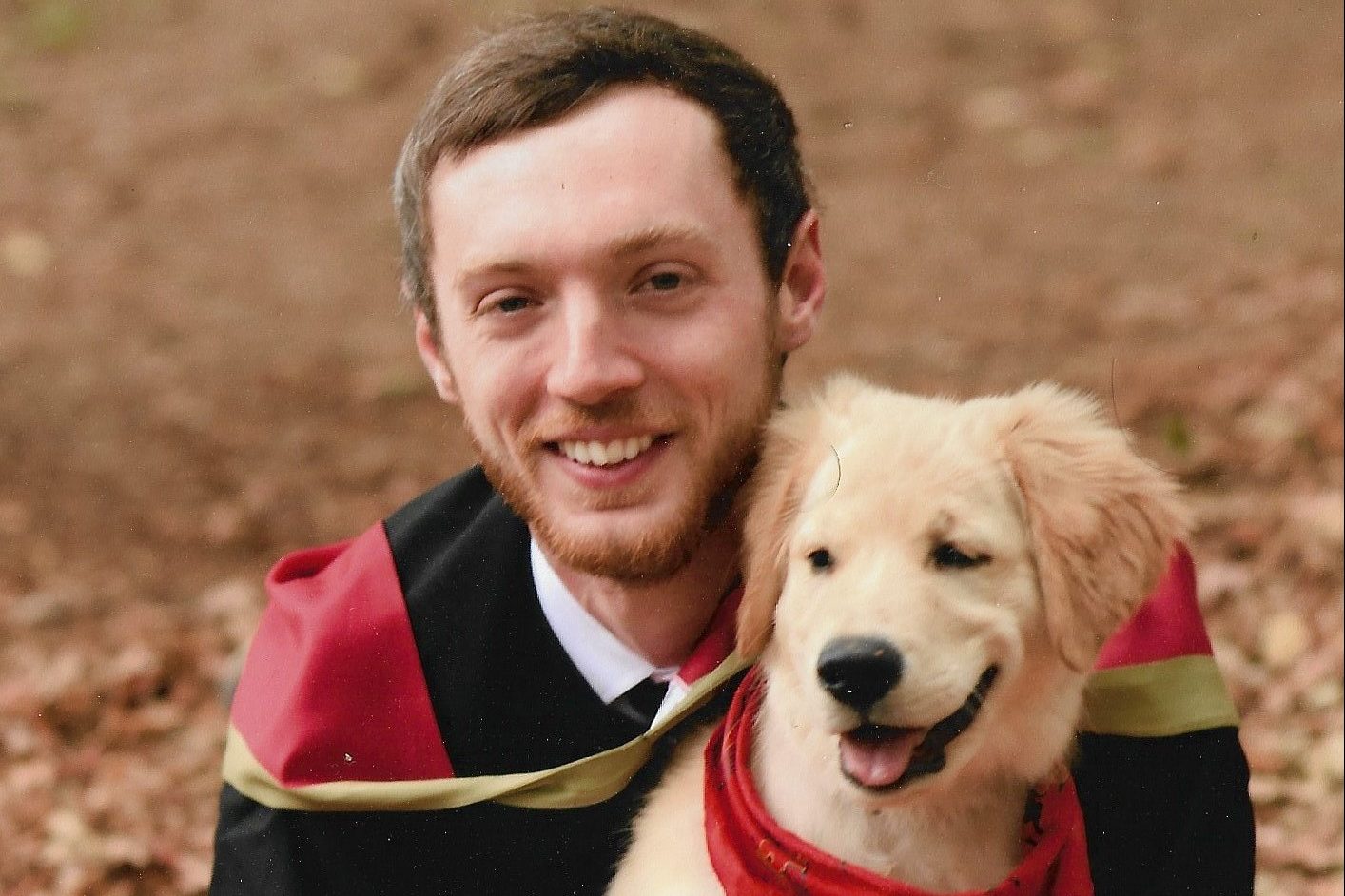
We are pleased to welcome Dylan Jubinville to 5REDO as a co-op student with expertise in polymer chemistry and processing. Dylan is currently pursuing his PhD degree in engineering under supervision of Prof. Tiz Mekonnen in the Department of Chemical Engineering at the University of Waterloo.
Dylan finished his undergraduate studies in Biomedical Engineering with a Chemistry minor at the University of Guelph. He then joined the Bioproducts Discovery and Development Centre at the University of Guelph where he received his master's degree in Biological Engineering. The focus of his research was on process and performance of sustainable polyamide 6 blends and biocomposites. Prior to starting his PhD, he worked in industry for one year.
At 5REDO, Dylan will support the development of decision-making tools facilitating the circularity of polymers and improving the sustainability of plastic products.
 Originating from Barcelona, Laia’s educational journey led her to pursue secondary studies in the south of France. Her Bachelor’s degree in Economics and International Management allowed her to develop an analytical mindset. During her Master’s in International Business and Management, she engaged in numerous research study cases and actively participated in the creation of different business plans. This helped her develop an ability to critically analyze and address the strategic challenges that companies encounter.
 Andre has over 5 years of industry experience in project management, polymer and composite processing, materials characterization, and product development. He earned a Bachelor’s degree in Chemical Engineering from the Federal University of Santa Maria, Brazil, and a Ph.D. in Materials Science and Technology from the Federal University of Rio Grande do Sul, where he focused on Polymer and Composite materials. In 2012, he founded a design and manufacturing company specializing in biocomposites made with natural fibers, which he successfully sold in 2015.
 As an expert in sustainability, life cycle assessment, circular economy, and green chemistry, Nicolas possesses valuable skills and knowledge that can assist companies in developing and implementing sustainable and environmentally-friendly business models. They can achieve this by utilizing eco-friendly materials, improving manufacturing processes, reducing waste and hazardous chemical use, and advocating for the use of safer and more sustainable alternatives.
 Karan is an experienced professional who has worked in multiple geographies and roles along his career. He holds a total of 10+ years of experience in manufacturing operations, and has focused his efforts towards finding solutions for waste recovery and making recovery economical for industries.
  With several years of research experience in France and Canada, Fabien lends his expertise and passion for enzymology and microbiology to 5REDO’s sustainability innovation plans.
  With her significant hands-on experience in developing and characterizing biological and chemical systems, Vicky plays a key role in 5REDO’s efforts toward developing novel products and technologies that offer improved circularity and sustainability to the industry and society.
  As a recent graduate of chemical engineering from the University of Waterloo, Kyle brings his passion for impactful innovation and his experience with novel recycling processes to 5REDO to support our technology development initiatives.
  As our Senior Research Scientist, Hormoz draws on his eight years of industrial and nine years of academic research experience in the areas of polymer science and engineering to develop new solutions for advancing circularity and sustainability.
 Shauna is a freelance journalist that covers a wide range of topics, including health, education, the environment, travel, lifestyle trends, and more. She holds a Master of Journalism from Carleton University, and a Bachelor of Arts (Honours) in Global Development from Queen’s University.
 By leveraging her expertise in life cycle analysis and process engineering, Ophela helps 5REDO to take a holistic approach to the development of circular solutions and technologies.
  As the co-founder of 5REDO, Forough brings her expertise in supply chain management, business operations, inventory control, and revenue management to support the implementation of circular solutions within different industry sectors.
 With a passion for driving change and creating impact, Mahdi co-founded 5REDO to promote circular economy principles in Canada. He’s an alumnus of the 2021 Ellen MacArthur Foundation’s ‘From Linear to Circular Programme.’ Mahdi played a pivotal role in developing and managing the University of British Columbia’s (UBC) Circular Economy Seed Funding program, fostering partnerships between companies and academic researchers to co-create circular solutions.