

Much like the terms carbon-neutral, renewable energy, or sustainability, ‘net-zero’ has become a key word in current discourse about climate change and our environment. It’s mentioned in the news, at global conferences, and in government policies. A basic definition of net-zero is the slowing or stopping of greenhouse gas emissions (GHGs) – one of the main contributors to the warming of our planet.
But is net-zero just another popular phrase? What targets do we need, in Canada and around the world, to truly achieve it? In this two-part series, we delve deeper into net-zero, and why it’s become such a big player in the fight against climate change.
Targeting emissions
When scientists or politicians say net-zero, they usually mean net-zero emissions – of the harmful, planet-warming greenhouse gasses that stay trapped in our atmosphere. It’s understandable that this has become a main sticking point in climate change efforts, since GHG emissions were one of the first widely understood components of climate change.
However, it’s important to note that net-zero doesn’t necessarily mean eliminating GHGs. Rather, it suggests that remaining emissions will be offset by climate change mitigation measures, like shifting to solar power or electricity in some industries, or protecting carbon sinks (a resource that absorbs more carbon than it emits, such as a forest).
Knowing this, a natural question may arise: why not just aim for zero? While that’s fair, experts have pointed out that cutting emissions completely in some sectors, such as for the production of cement or steel, isn’t possible in the popular 2050 timeline. In those situations, shifting to alternatives will likely take place over a longer period of time.
The race to zero
Since net-zero has become such a widespread topic, many nations or groups have made it a goal, though it’s evident that ‘zero’ – and the timeline to get there – can mean different things. The United Nations, for example, describes the goal as bringing emissions “as close to zero as possible.” Some G7 countries, including Canada, have created their own plans to reach net-zero, or reduce emissions significantly in the coming decades.
Canada has set the goal for net-zero emissions by 2050; in the 2015 Paris Agreement, they pledged to reduce emissions by 40-45% (from 2005 levels) by 2030. Although the larger goal is for 2050, the government’s plans indicate immediate efforts are more poised to address the Paris Agreement stipulation:
The Minister of Environment and Climate Change will establish the country’s 2030 Emissions Reduction Plan by the end of March 2022. The plan will be informed by consultations with provinces, territories, Indigenous Peoples, the Net-Zero Advisory Body, and interested Canadians on what is needed to reach Canada’s more ambitious climate target of 40-45% emissions reductions by 2030.
Despite these steps, a global consortium that maintains a Climate Action Tracker rates Canada’s overall climate change mitigation plans as “highly insufficient”, based on domestic and international emissions targets, climate-related financing, and so on. We’ll explore this more in our second piece in the series, on net-zero and the circular economy.
How soon can we get there?
Canada didn’t pick 2050 as its timeline for net-zero out of nowhere. Other G7 countries and climate advocates are also aiming for that year, given the common understanding that it’s what will be needed to keep global warming under 1.5 degrees Celsius.
As was made clear at the recent COP26 meetings in Scotland, aggressive efforts are needed from players around the world in order to meet these targets. From innovation across all industries to fostering and protecting natural environments, hitting net-zero – and keeping promises made – is going to require a multifaceted approach.
In our next piece, we’ll look at the circular economy, Canada’s unique position when it comes to achieving net-zero, and how innovation will play an important role going forward.
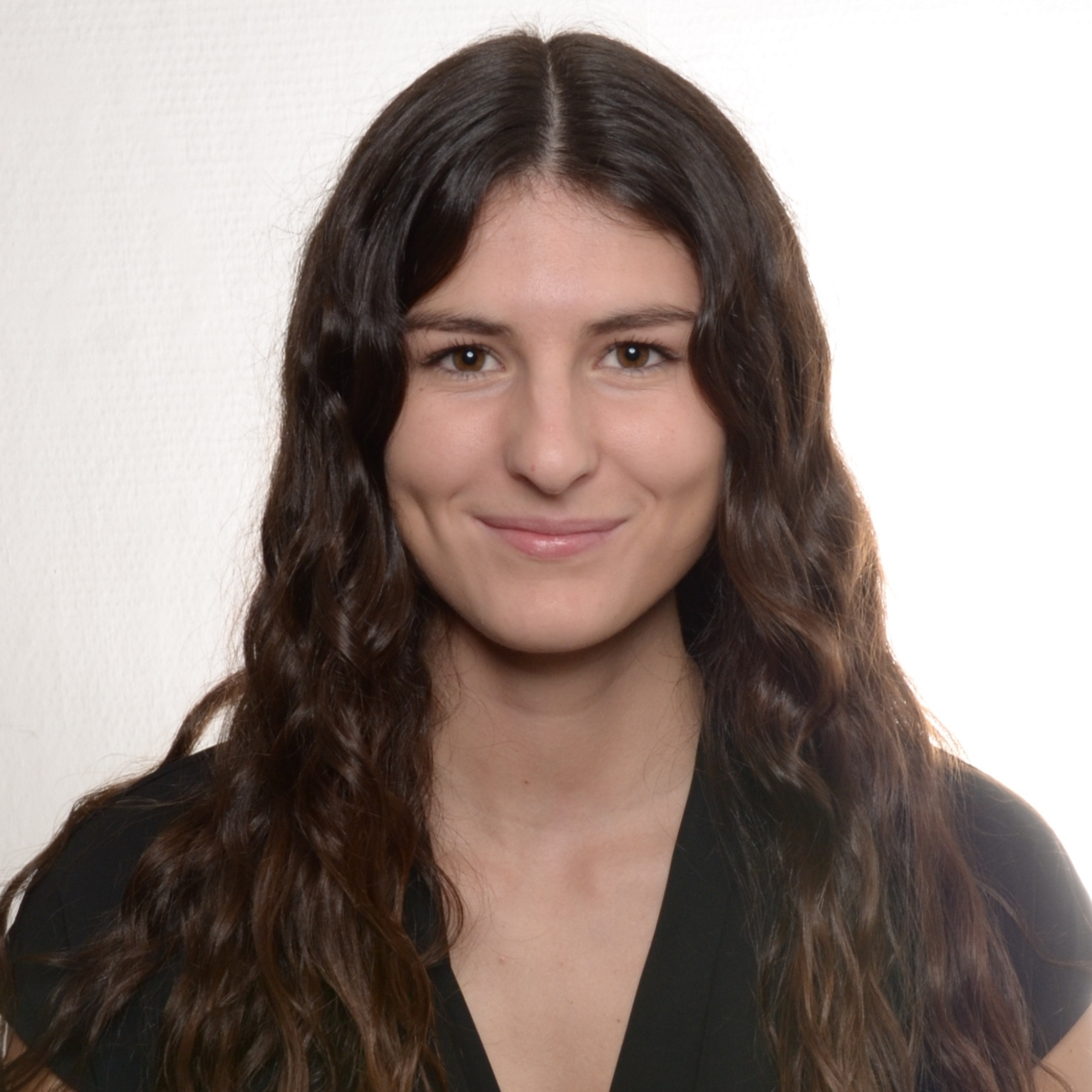 Originating from Barcelona, Laia’s educational journey led her to pursue secondary studies in the south of France. Her Bachelor’s degree in Economics and International Management allowed her to develop an analytical mindset. During her Master’s in International Business and Management, she engaged in numerous research study cases and actively participated in the creation of different business plans. This helped her develop an ability to critically analyze and address the strategic challenges that companies encounter.
 Andre has over 5 years of industry experience in project management, polymer and composite processing, materials characterization, and product development. He earned a Bachelor’s degree in Chemical Engineering from the Federal University of Santa Maria, Brazil, and a Ph.D. in Materials Science and Technology from the Federal University of Rio Grande do Sul, where he focused on Polymer and Composite materials. In 2012, he founded a design and manufacturing company specializing in biocomposites made with natural fibers, which he successfully sold in 2015.
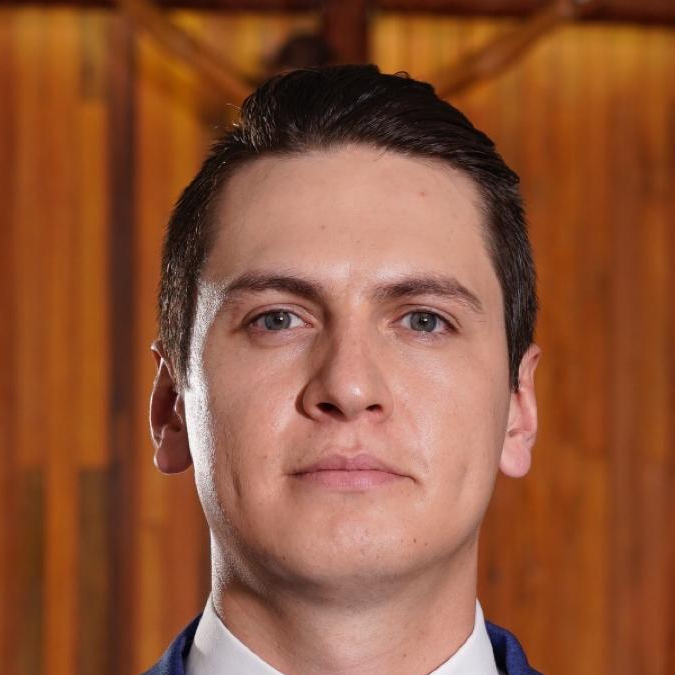 As an expert in sustainability, life cycle assessment, circular economy, and green chemistry, Nicolas possesses valuable skills and knowledge that can assist companies in developing and implementing sustainable and environmentally-friendly business models. They can achieve this by utilizing eco-friendly materials, improving manufacturing processes, reducing waste and hazardous chemical use, and advocating for the use of safer and more sustainable alternatives.
 Karan is an experienced professional who has worked in multiple geographies and roles along his career. He holds a total of 10+ years of experience in manufacturing operations, and has focused his efforts towards finding solutions for waste recovery and making recovery economical for industries.
  With several years of research experience in France and Canada, Fabien lends his expertise and passion for enzymology and microbiology to 5REDO’s sustainability innovation plans.
  With her significant hands-on experience in developing and characterizing biological and chemical systems, Vicky plays a key role in 5REDO’s efforts toward developing novel products and technologies that offer improved circularity and sustainability to the industry and society.
  As a recent graduate of chemical engineering from the University of Waterloo, Kyle brings his passion for impactful innovation and his experience with novel recycling processes to 5REDO to support our technology development initiatives.
  As our Senior Research Scientist, Hormoz draws on his eight years of industrial and nine years of academic research experience in the areas of polymer science and engineering to develop new solutions for advancing circularity and sustainability.
 Shauna is a freelance journalist that covers a wide range of topics, including health, education, the environment, travel, lifestyle trends, and more. She holds a Master of Journalism from Carleton University, and a Bachelor of Arts (Honours) in Global Development from Queen’s University.
 By leveraging her expertise in life cycle analysis and process engineering, Ophela helps 5REDO to take a holistic approach to the development of circular solutions and technologies.
  As the co-founder of 5REDO, Forough brings her expertise in supply chain management, business operations, inventory control, and revenue management to support the implementation of circular solutions within different industry sectors.
 With a passion for driving change and creating impact, Mahdi co-founded 5REDO to promote circular economy principles in Canada. He’s an alumnus of the 2021 Ellen MacArthur Foundation’s ‘From Linear to Circular Programme.’ Mahdi played a pivotal role in developing and managing the University of British Columbia’s (UBC) Circular Economy Seed Funding program, fostering partnerships between companies and academic researchers to co-create circular solutions.