

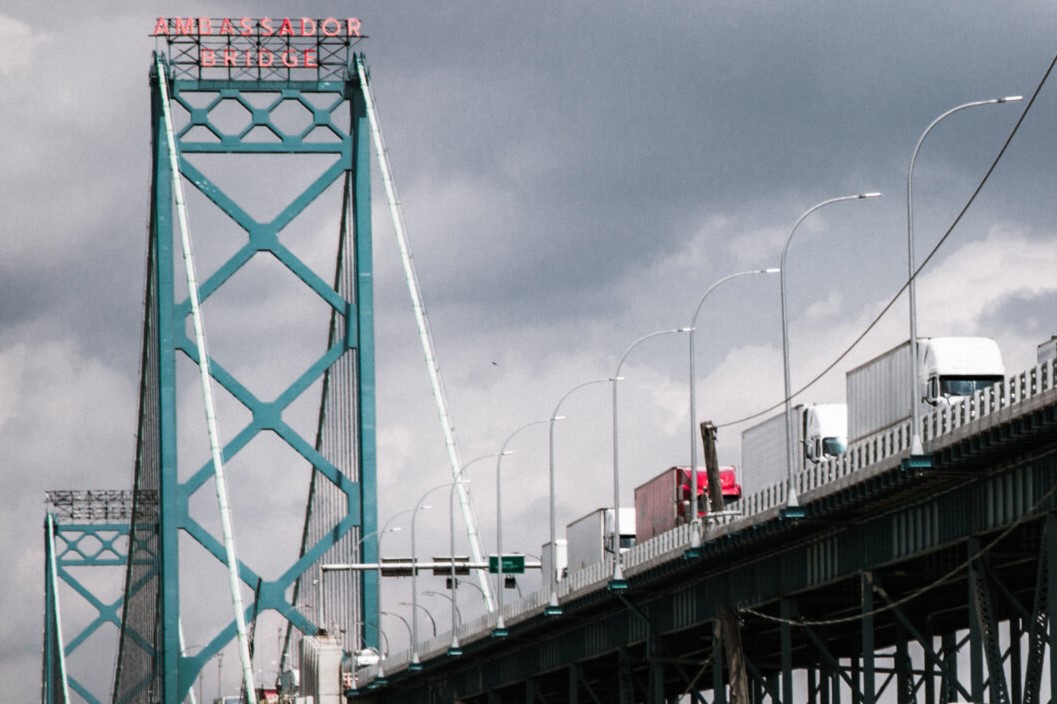
Beyond Tariffs: Building Canadian Resilience Through Circular Procurement
Written by Fabien Hammerer, 5REDO CTO.
Canada has obtained a month delay before the US leadership initiates the trade war it’s been edging toward. Canada’s response to initial threats would have levied tariffs on an initial wave of 30 billion dollars worth of products, including pulp and paper, appliances, and cosmetics. A subsequent wave, targeting 130 billion dollars in goods such as vehicles, steel, and aluminum, would have followed. Unsurprisingly, uncertainty is hard for economic agents to deal with and the next episode in only a few weeks is also set to send markets and supply chains into another spin.
The pressing question now is: how can businesses adapt not only to the immediate situation but also to the growing risks posed by political and economic uncertainty?
Last year, we published a blog article highlighting how businesses are increasingly exposed to environmental risks that disrupt supply chains and how circular procurement and circularity integration can act as a mitigating factor. At the time, discussing political risk might have seemed overly cautious, but reality has caught up. Today, a unilateral decision by the world’s largest market is destabilizing global supply chains.
Yet, our conclusion remains valid: circular procurement can serve as a robust strategy for mitigating risk, particularly in times like these. How so?
At their core, tariffs are market distortions designed to create artificial economic effects, such as balancing trade or protecting target industries. And like all market distortions, they create unintended opportunities. With the cost of goods and supplies from the US rising sharply, alternative material sources—previously considered too expensive—may now become viable. This includes secondary materials, or those derived from circular or biological sources. Organizations can use life cycle assessment and techno-economic assessment to evaluate the environmental and economic trade-offs of these alternative materials.
Canada’s circular economy is still in its infancy, with a circularity rate of just 6%. Each year, the country generates a staggering amount of discarded materials that are disposed of without a second life. In 2022, the federal government reported 36.5 million tonnes of solid waste, of which only 27% was diverted. This leaves a huge opportunity for companies to secure materials domestically and build more resilient business models.
While now may not be the time for a complete overhaul of your business model—implementing circular projects and circularity integration initiatives requires time, investment, and careful risk assessment—, this is certainly the moment to explore circular procurement opportunities and assess their long-term benefits in an era of environmental, economic, and political instability.
This is also a time for federal and provincial governments to step up support for circularity. Subsidies for research and development, tax incentives, and public-private partnerships are all avenues worth pursuing to unlock the potential of Canada’s domestic resources and accelerate the transition to a circular economy.
In these uncertain times, Canada has the chance to demonstrate its resilience. A thriving circular economy could become the cornerstone of this resilience, offering a sustainable foundation in the face of an increasingly uncertain trade relationship.


The Hidden Trade-Offs of Biodegradable Plastics: Balancing GHG Emissions and Ecotoxicity
Written by Fabien Hammerer, 5REDO CTO.
Microplastics are a growing environmental concern. Evidence shows their persistence in ecosystems and potential risks to both wildlife and human health. However, many questions remain about their environmental impacts—particularly concerning greenhouse gas (GHG) emissions and ecotoxicity. Research led by Yuan Yao at Yale University sought to uncover the complexities of microplastic use through a life cycle assessment (LCA), revealing significant trade-offs that could influence our approach to sustainable plastics.
Biodegradable plastics, designed to break down in natural environments, often help reduce ecotoxicity, particularly in aquatic ecosystems. Yet, these benefits can come with a downside: increased GHG emissions. For instance, polylactic acid (PLA) has a relatively low GHG footprint but degrades slowly, potentially increasing aquatic toxicity. Conversely, some bioplastics that degrade faster can emit more GHGs if they break down in conditions that release methane, a potent greenhouse gas. This raises an essential question: is reducing one impact worth increasing another?
Effective end-of-life (EoL) management plays a key role in mitigating the environmental impact of biodegradable plastics. While it may seem eco-friendly to allow these plastics to biodegrade naturally, this can significantly increase GHG emissions. Studies show that plastics left in the natural environment may release more emissions compared to those processed in controlled settings like industrial composting or anaerobic digestion. In these engineered environments, emissions are captured and managed, lessening their climate impact.
Using bio-based sources for plastics is a common strategy to reduce carbon footprints, yet this alone may not be enough. Although plants absorb carbon during growth, this sequestration doesn’t fully compensate for emissions released when bio-sourced plastics degrade, especially under anaerobic conditions. Without proper EoL management, bio-sourced plastics could still contribute a net GHG burden, emphasizing the need for thoughtful disposal practices.
Finding a Balance for Sustainable Plastics
Yao’s research highlights that the environmental impacts of microplastics are multifaceted and complex. More research is needed to understand how different materials, particle sizes, and degradation pathways interact with ecosystems. This evolving knowledge base will help us develop refined solutions for reducing plastic pollution.
These findings emphasize that sustainable plastics require a balanced approach. For businesses and environmental advocates, adopting engineered EoL solutions, evaluating material trade-offs, and considering the full lifecycle are critical to minimizing environmental impacts. Additionally, this study underscores the importance of particle size in environmental impact, with smaller particles often degrading differently and sometimes releasing more GHGs.
Choosing sustainable materials involves more than selecting biodegradable or bio-sourced options. Managing these materials across their lifecycle—from production to EoL—is crucial. By focusing on these factors, we can make more informed, sustainable choices in addressing plastic pollution. Our sustainable materials R&D services help businesses evaluate these trade-offs in material selection.
Curious about how Life Cycle Assessment can benefit your business? Visit our LCA page to learn more about minimizing your environmental impact.
How Climate Change is Shifting the Baseline for Business Decisions
Written by Fabien Hammerer, 5REDO CTO.
Businesses routinely evaluate risks and opportunities before starting new projects. They weigh potential gains against costs to make informed decisions. Circularity initiatives—such as shifting from oil-based virgin materials to recycled or bio-sourced alternatives—are no exception. Before making these transitions, conducting a life cycle assessment helps quantify the environmental and financial trade-offs. Some circular projects, like finding partners to reuse waste, may have minimal impact on logistics. Others, however, can significantly alter manufacturing processes and introduce risks that must be managed.
The growing environmental crisis is changing the landscape of risk assessment. Typically, risk assessments compare new projects against a “status quo” scenario, assuming stable conditions. But climate change is already destabilizing this business-as-usual model. Extreme weather events like hurricanes, droughts, and floods are increasingly disrupting global logistics. They lead to cost volatility and resource scarcities that affect essential business inputs.
For example, in 2021, severe flooding in Germany and China forced temporary shutdowns of major factories. This affected supply chains for chemicals, electronics, and automotive components worldwide. In the U.S., lumber prices spiked nearly 400% during the COVID-19 pandemic. This was partly due to wildfires and unpredictable weather affecting timber production.
Other climate-related risks, equally critical for business owners, include:
- Innovation and Competitiveness: Companies that delay transitioning to circular practices risk falling behind as competitors innovate toward sustainability.
- Regulatory and Compliance Risks: Environmental regulations are tightening, with mandates for transparency and accountability around emissions, waste, and sustainable sourcing.
- Brand Reputation: Consumers increasingly value environmentally responsible brands. Companies slow to act risk losing customer loyalty.
- Increased Insurance Costs: As climate risks intensify, insurance premiums for climate-vulnerable assets and operations are rising.
- Access to Capital: Investors are prioritizing companies with strong sustainability strategies, which impacts financing opportunities.
- Legal Risks: Lawsuits related to pollution or carbon emissions are becoming more common, exposing businesses without proactive strategies to financial and reputational damage.
As a result, the risks and rewards of a circular business model—where resources are reused, recycled, and sourced locally—should not be compared against a risk-free baseline. Instead, the comparison is now with an uncertain status quo, one increasingly vulnerable to climate-driven disruptions that are likely to escalate over time. Shifting to circular practices can help businesses stabilize costs, strengthen supply chains, appeal to eco-conscious consumers, and address the risks mentioned above—all while building resilience in an unpredictable climate.
In today’s climate, the choice is not simply whether to change, but rather which risks to prioritize: the calculated risks of integrating circularity, or the compounding risks of sticking to a traditional model that may no longer be sustainable. For business leaders, this means making strategic decisions that not only address immediate challenges but also position their companies for resilience in an unpredictable future.
As environmental disruptions continue to shape the business landscape, the risk of inaction may ultimately outweigh the uncertainties of change. Now is the time to evaluate the cost of adaptation versus the growing cost of the status quo.
The climate crisis isn’t waiting—why should you? Start your circular economy journey today with our Circularity Integration Service.
Why Waiting to Conduct an LCA Could Cost Your Business Millions
Written by Fabien Hammerer, 5REDO CTO.
Life Cycle Assessment (LCA) is increasingly recognized by businesses as a critical tool for evaluating the environmental impacts of their operations. By measuring indicators across human health, environment, and resource categories, LCA provides decision-makers with a comprehensive understanding of potential impacts, helping them avoid “bad good ideas” that seem beneficial but are actually harmful.
However, there’s a common misconception that LCA is too costly to perform before production begins. While it’s true that conducting an LCA on an established production line can be time-consuming and resource-intensive, waiting until this stage can be risky. At this point, businesses may have already invested millions in a pilot plant or new production line, only to discover through LCA that their impacts are no better—or even worse—than industry standards. This leaves companies financially vulnerable.
A smarter approach, , which we implement through our circularity integration process,, is to integrate LCA early in the project’s lifecycle through screening LCAs. These smaller studies, relying on secondary data from industry standards and databases, offer an early glimpse into potential impacts. Though not as precise as a full LCA, they are far cheaper and can help companies identify risks and opportunities at the design stage.
Here are a few ways screening LCAs can guide businesses:
- Material selection: Different materials have varying environmental impacts and energy requirements. Our sustainable materials R&D services help evaluate alternatives before committing to production. Screening LCAs help weigh these factors before investing in expensive equipment.
- Supply chain optimization: Proximity of suppliers isn’t the only factor; the energy sources used in production can also vary by location. Screening LCAs can help refine your sourcing strategy.
- Eco-design: End-of-life considerations like composting, recycling, or waste-to-energy are complex. Screening LCAs allow you to assess which options align with your environmental goals.
- Plant location: Operational impacts like material delivery and resource use are influenced by location. Screening LCAs provide early insights into how site choice affects sustainability.
Additionally, screening LCAs help reduce the cost of conducting a full-scale LCA later on. By encouraging businesses to start gathering relevant data early in the process, screening LCAs make it easier to collect the detailed primary data needed for a comprehensive LCA. This proactive data collection minimizes the time and resources required down the line, ultimately making the full LCA more cost-effective and efficient.
Moreover, conducting screening LCAs aligns with the ISO-compliant iterative spirit of LCA, where assessments are refined and updated as more information becomes available. This approach ensures that businesses can continuously improve their environmental strategy in a structured, standards-driven manner.
By adopting an early LCA stance, companies can avoid costly surprises and make informed decisions that support their long-term environmental strategy.
Check 5REDO’s Screening LCA packages on our website and schedule a meeting to learn more.

5REDO Joins CELC to Advance the Circular Economy in Canada
We’re pleased to announce that 5REDO has joined Circular Economy Leadership Canada (CELC), a network dedicated to connecting corporate leaders, non-profits, and researchers to accelerate the transition to a circular economy.
Launched at the 2018 G7 Oceans Summit, CELC plays a key role in building capacity and fostering collaboration across industries. As a circular economy consultancy, 5REDO looks forward to engaging with this dynamic network to drive impactful solutions in sustainable materials, Life Cycle Assessment (LCA), and circular business strategies.
Collaboration is essential for maximizing value in our supply chains, and we’re excited to contribute to CELC’s mission and connect with experts working toward a more sustainable future.
To learn more about CELC, visit their website here.
5REDO Joining PAC Global
We’re excited to share that 5REDO has joined PAC Global, a not-for-profit organization that serves as a trusted advisor to its global packaging network. Since 1950, PAC Global has brought together industry leaders to connect, collaborate, and innovate in the evolving world of packaging.
At 5REDO, we specialize in circular economy solutions, Life Cycle Assessment (LCA), and sustainable materials R&D, helping businesses assess and reduce their environmental impact. By joining PAC Global, we look forward to engaging with like-minded professionals, sharing insights, and contributing to meaningful discussions on the future of sustainable packaging.
The transition to a circular economy requires collective effort, and we are eager to learn from and collaborate with PAC Global’s diverse community. Through this partnership, we hope to explore new ways to improve packaging sustainability and drive responsible innovation.
We look forward to connecting with fellow members and being part of this dynamic network!
Learn more about PAC Global here.
Webinar - Demystifying the Circular Economy
Date: Tuesday, October 8, 2024
Time: 1:00 PM – 2:00 PM EST
Location: Online
Presenter: Dr. Fabien Hammerer, 5REDO’s CTO
Curious about the circular economy and how it can benefit your business? Join us for this exciting webinar where our CTO, Dr. Fabien Hammerer, will explore the following key questions:
- What actually is the circular economy?
- How does it work?
- Why should businesses consider going circular?
- How to transition?
- How can the new ISO 59000 family help you do so?
Earlier this year, the International Standards Organization (ISO) released a new family of standards aiming to establish an international framework for the circular economy and provide guidance to businesses to redefine their economic models to align with sustainability principles.
In light of these new standards, this seminar is tailored for small and medium-sized enterprises (SMEs) to help them better understand the principles of the circular economy and learn how the new ISO 59000 standards family can provide a pathway forward for their businesses.
Looking forward to seeing you at this event!
Unlocking the Power of the Circular Economy with ISO 59000 Series
In today's rapidly evolving business landscape, sustainability is no longer a luxury—it's a necessity. For small and medium-sized enterprises (SMEs), navigating the path to sustainable practices can be disheartening. The concept of a circular economy, while promising, often appears abstract and filled with uncertainty. However, the recently published ISO 59000 series standards provide deeply needed clarity and establish a robust framework for businesses ready to embrace circularity.
Why the ISO 59000 Series Matters
The ISO 59000 series marks a significant milestone in the journey toward sustainable development. These standards provide a comprehensive suite of guidelines that define and harmonize terms and definitions, ensuring consistency across the field. They establish clear definitions and metrics for resource efficiency, value recovery, and value retention, enabling businesses to measure and improve their practices effectively.
Benefits for SMEs
At 5REDO, our circularity integration services are aligned with the ISO 59000 framework. For SMEs, these standards offer multiple benefits:
- Sustainability Metrics Framework: ISO 59020 provides a clear set of metrics to track and report circularity actions, which complement our life cycle assessment services for measuring environmental impacts. This helps businesses identify areas for improvement and demonstrate their commitment to stakeholders.
- Enhanced Resource Management: By defining best practices for resource efficiency, the ISO 59000 series guides businesses in optimizing their resource use, reducing waste, and lowering operational costs.
- Unified Terminology: Harmonized terms and definitions reduce confusion and ensure that all stakeholders, from suppliers to customers, are on the same page regarding sustainability efforts.
- Pathway to Circularity: ISO 59010 provides detailed guidance about how businesses should prepare their entry into the circular economy and execute it.
- Framework for Accountability: With these standards in place, businesses can hold consultants and service providers accountable for delivering tangible results in their circular economy initiatives.
Overcoming Barriers to Adoption
Despite the clear advantages, many SMEs still view the circular economy with hesitation. The perceived complexity and associated costs of transitioning to new practices can be significant deterrents. However, the ISO 59000 series demystifies the circular economy, providing a structured approach that mitigates risks and underscores the long-term value of sustainable transformation.
The Right Time to Engage
With the ISO 59000 series now available, there has never been a better time for SMEs to embark on their circular economy journey. These standards equip businesses with the tools needed to implement effective and efficient sustainable practices. By adopting these guidelines, SMEs can position themselves at the forefront of innovation, gaining a competitive edge in a market increasingly driven by the public’s concern for sustainability.
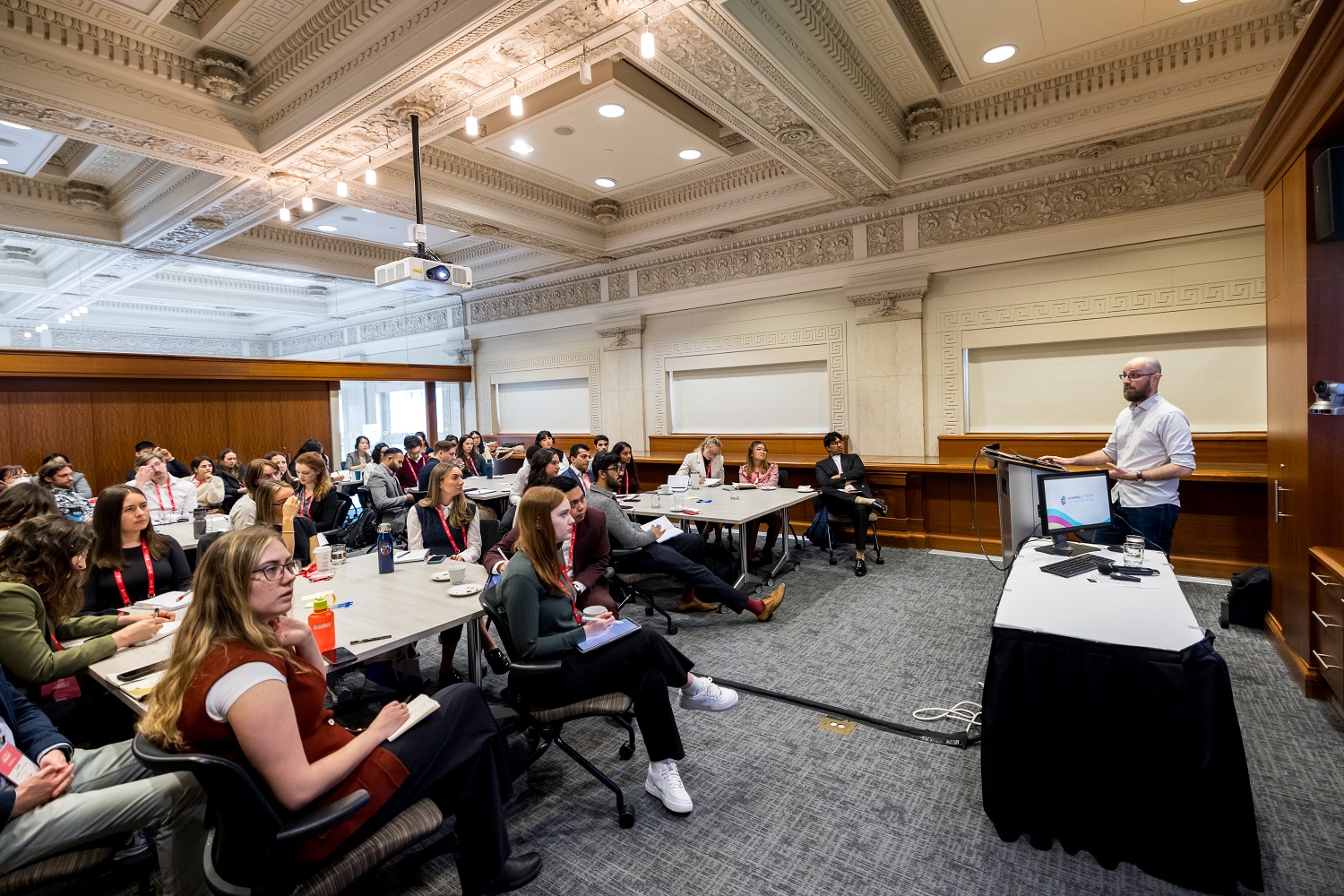
5REDO CTO Gave a Lecture at Leading Change Forum
Our CTO, Fabien, presented a lecture on "Life Cycle Thinking and the Physical Basis of a Sustainable Economy" at the Leading Change Forum 2024 in Vancouver. The event brought together young leaders in sustainability to engage in conversations and discussions towards collaborative actions for increasing climate resilience and restoring our natural environment.
In his interactive lecture, Fabien illustrated the principles underlying the chemical economy of our planet, the impact that human activity has on it, and the tradeoffs that will need to be made to achieve sustainability at the planetary scale. The lecture also introduced life cycle thinking and the role it can play in ensuring progress towards sustainability.
 Originating from Barcelona, Laia’s educational journey led her to pursue secondary studies in the south of France. Her Bachelor’s degree in Economics and International Management allowed her to develop an analytical mindset. During her Master’s in International Business and Management, she engaged in numerous research study cases and actively participated in the creation of different business plans. This helped her develop an ability to critically analyze and address the strategic challenges that companies encounter.
 Andre has over 5 years of industry experience in project management, polymer and composite processing, materials characterization, and product development. He earned a Bachelor’s degree in Chemical Engineering from the Federal University of Santa Maria, Brazil, and a Ph.D. in Materials Science and Technology from the Federal University of Rio Grande do Sul, where he focused on Polymer and Composite materials. In 2012, he founded a design and manufacturing company specializing in biocomposites made with natural fibers, which he successfully sold in 2015.
 As an expert in sustainability, life cycle assessment, circular economy, and green chemistry, Nicolas possesses valuable skills and knowledge that can assist companies in developing and implementing sustainable and environmentally-friendly business models. They can achieve this by utilizing eco-friendly materials, improving manufacturing processes, reducing waste and hazardous chemical use, and advocating for the use of safer and more sustainable alternatives.
 Karan is an experienced professional who has worked in multiple geographies and roles along his career. He holds a total of 10+ years of experience in manufacturing operations, and has focused his efforts towards finding solutions for waste recovery and making recovery economical for industries.
  With several years of research experience in France and Canada, Fabien lends his expertise and passion for enzymology and microbiology to 5REDO’s sustainability innovation plans.
  With her significant hands-on experience in developing and characterizing biological and chemical systems, Vicky plays a key role in 5REDO’s efforts toward developing novel products and technologies that offer improved circularity and sustainability to the industry and society.
  As a recent graduate of chemical engineering from the University of Waterloo, Kyle brings his passion for impactful innovation and his experience with novel recycling processes to 5REDO to support our technology development initiatives.
  As our Senior Research Scientist, Hormoz draws on his eight years of industrial and nine years of academic research experience in the areas of polymer science and engineering to develop new solutions for advancing circularity and sustainability.
 Shauna is a freelance journalist that covers a wide range of topics, including health, education, the environment, travel, lifestyle trends, and more. She holds a Master of Journalism from Carleton University, and a Bachelor of Arts (Honours) in Global Development from Queen’s University.
 By leveraging her expertise in life cycle analysis and process engineering, Ophela helps 5REDO to take a holistic approach to the development of circular solutions and technologies.
  As the co-founder of 5REDO, Forough brings her expertise in supply chain management, business operations, inventory control, and revenue management to support the implementation of circular solutions within different industry sectors.
 With a passion for driving change and creating impact, Mahdi co-founded 5REDO to promote circular economy principles in Canada. He’s an alumnus of the 2021 Ellen MacArthur Foundation’s ‘From Linear to Circular Programme.’ Mahdi played a pivotal role in developing and managing the University of British Columbia’s (UBC) Circular Economy Seed Funding program, fostering partnerships between companies and academic researchers to co-create circular solutions.