

The concept of Extended Producer Responsibility (EPR) is often discussed in the circular economy space, the idea being to have producers shoulder more burden of managing, recycling, and disposing of waste. It also calls attention to the need for producers to consider how their product will be handled by consumers, waste infrastructure, and whether it can be made more environmentally sound overall.
The ethos behind EPR stems in part from the unfair blame and responsibility placed on individuals for their environmental behaviour. We now know that large corporations and the world’s wealthiest one percent are responsible for the lion’s share of greenhouse gas emissions and other environmental harm. Yet, many consumers are all too familiar with directives about limiting meat consumption, not buying fast fashion, or reducing their use of plastic. While these are all commendable (and sometimes necessary) activities, EPR is part of the pushback to shift the narrative from each person’s “carbon footprint”, to calling on the world’s top actors to do better.
With this in mind, how should we characterize the largely individual task of sorting household waste? Recently, residents in Victoria, Australia were introduced to an updated collection system, with a new purple-lid bin to sort out glass items. The program also set the target of having residents include “soft plastics” in the already-established yellow bins by 2030. Currently, residents are asked to store soft plastics at home and drop them off at a designated location or recycling centre, although unfortunately, the inconvenience means much of that waste ends up in garbage bins. Many Australians applauded the introduction of a new bin for making their lives easier; though with four different bins, and some remaining exclusions as to what goes in each, the expectations on individual residents are still significant.
Of course, every waste collection program comes with accompanying education for the public – there’s an adjustment period for any change, and adding a new bin may indeed make lives easier in the long run. Since recycling was first introduced in North America, waste collection has gone through many iterations, each with a change meant to make the collection, sorting and disposal more streamlined.
In Canada, for example, each major city has slightly different approaches to collecting. Many use the widely recognizable blue bin (plastics and glass), black bin (cardboard and paper), and garbage bin system, with many cities having adopted a green bin for compost. There are also incentives to produce less garbage; in many cities, green bins are collected weekly, but garbage, only bi-weekly. In Montreal, recycling isn’t sorted in households at all, but at a facility post-collection.
The decisions for each city depend on a number of factors including budget, population, resources, and waste management infrastructure. It’s also important to remember that a robust recycling system, such as the four bins in Victoria, Australia, doesn’t necessarily equal robust management. Indeed, lots of waste (sometimes even organic material), is diverted to landfills when it is unable to be properly sorted at a facility; think products like medication blister packs, which are made with a combination of plastics, aluminium, and paper.
Ultimately, consumers can’t be taken out of the equation when it comes to waste management. Even when industry and government partners take on more responsibility by providing resources, information, and management, waste generated at home will always be a factor. Education and initiatives to get the public on board are important, otherwise, any system runs the risk of being too convoluted and pushing many people to opt out altogether.
Image courtesy of concreteplayground.com.
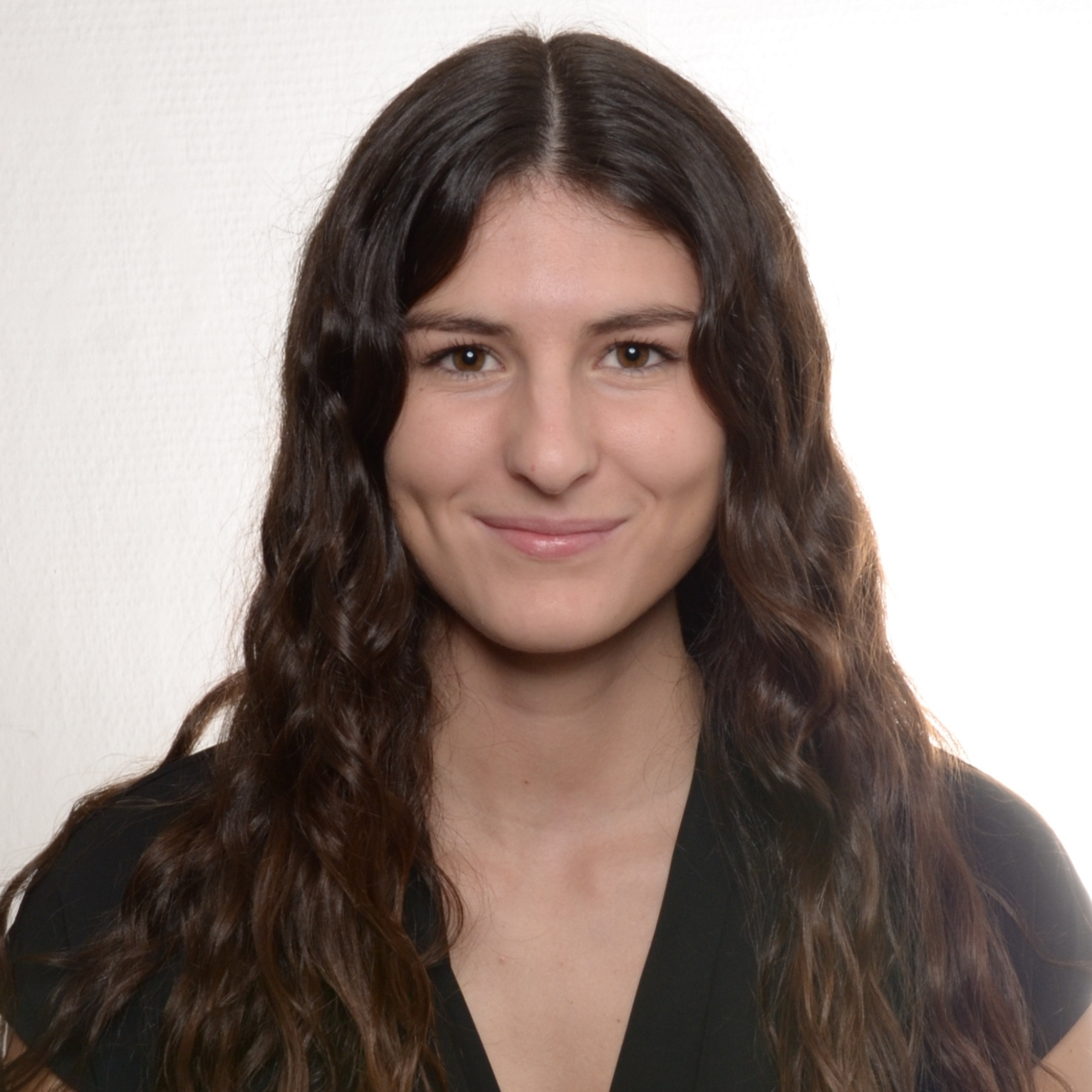 Originating from Barcelona, Laia’s educational journey led her to pursue secondary studies in the south of France. Her Bachelor’s degree in Economics and International Management allowed her to develop an analytical mindset. During her Master’s in International Business and Management, she engaged in numerous research study cases and actively participated in the creation of different business plans. This helped her develop an ability to critically analyze and address the strategic challenges that companies encounter.
 Andre has over 5 years of industry experience in project management, polymer and composite processing, materials characterization, and product development. He earned a Bachelor’s degree in Chemical Engineering from the Federal University of Santa Maria, Brazil, and a Ph.D. in Materials Science and Technology from the Federal University of Rio Grande do Sul, where he focused on Polymer and Composite materials. In 2012, he founded a design and manufacturing company specializing in biocomposites made with natural fibers, which he successfully sold in 2015.
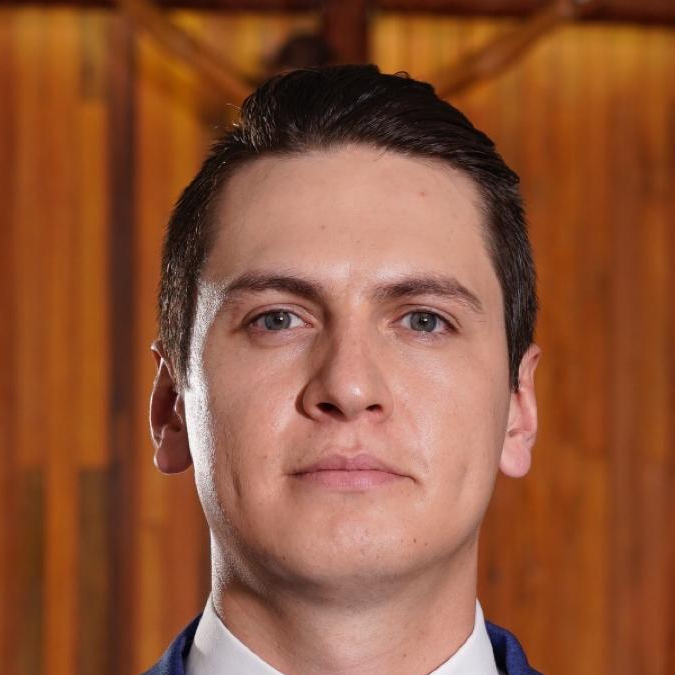 As an expert in sustainability, life cycle assessment, circular economy, and green chemistry, Nicolas possesses valuable skills and knowledge that can assist companies in developing and implementing sustainable and environmentally-friendly business models. They can achieve this by utilizing eco-friendly materials, improving manufacturing processes, reducing waste and hazardous chemical use, and advocating for the use of safer and more sustainable alternatives.
 Karan is an experienced professional who has worked in multiple geographies and roles along his career. He holds a total of 10+ years of experience in manufacturing operations, and has focused his efforts towards finding solutions for waste recovery and making recovery economical for industries.
  With several years of research experience in France and Canada, Fabien lends his expertise and passion for enzymology and microbiology to 5REDO’s sustainability innovation plans.
  With her significant hands-on experience in developing and characterizing biological and chemical systems, Vicky plays a key role in 5REDO’s efforts toward developing novel products and technologies that offer improved circularity and sustainability to the industry and society.
  As a recent graduate of chemical engineering from the University of Waterloo, Kyle brings his passion for impactful innovation and his experience with novel recycling processes to 5REDO to support our technology development initiatives.
  As our Senior Research Scientist, Hormoz draws on his eight years of industrial and nine years of academic research experience in the areas of polymer science and engineering to develop new solutions for advancing circularity and sustainability.
 Shauna is a freelance journalist that covers a wide range of topics, including health, education, the environment, travel, lifestyle trends, and more. She holds a Master of Journalism from Carleton University, and a Bachelor of Arts (Honours) in Global Development from Queen’s University.
 By leveraging her expertise in life cycle analysis and process engineering, Ophela helps 5REDO to take a holistic approach to the development of circular solutions and technologies.
  As the co-founder of 5REDO, Forough brings her expertise in supply chain management, business operations, inventory control, and revenue management to support the implementation of circular solutions within different industry sectors.
 With a passion for driving change and creating impact, Mahdi co-founded 5REDO to promote circular economy principles in Canada. He’s an alumnus of the 2021 Ellen MacArthur Foundation’s ‘From Linear to Circular Programme.’ Mahdi played a pivotal role in developing and managing the University of British Columbia’s (UBC) Circular Economy Seed Funding program, fostering partnerships between companies and academic researchers to co-create circular solutions.