

In our current linear economy, more waste is generated than we can handle. With the pace of resource extraction and product manufacturing, we have a seemingly endless stream of waste and pollution that continues to pile up in facilities and the environment. Although many cities and towns have their own forms of waste management, the idea of Extended Producer Responsibility (EPR) has been brought forth as a way to ensure producers shoulder more of the burden for waste management.
The government of British Columbia defines EPR as “an approach to recycling that requires producers, such as manufacturers, distributors, and retailers to take responsibility for the life cycle of the products they sell.” This may be with collection, (curbside or through collection depots), or recycling of the actual packaging and products collected. Although EPR is a relatively newer concept, the BC government notes that producers have already started to employ it, and have in some cases formed groups that operate recycling programs on their behalf.
Of course, EPR isn’t just taking place in BC; the Organisation for Economic Co-operation and Development (OECD) has also identified the benefits of the concept, defining it as “a policy approach under which producers are given a significant responsibility – financial and/or physical – for the treatment or disposal of post-consumer products.” The OECD also describes EPR as something that can be implemented as formal policy, since it has the potential to “provide incentives to prevent wastes at the source, promote product design for the environment and support the achievement of public recycling and materials management goals.”
The government of Canada has identified EPR as a goal within efforts to combat climate change, and it may continue to grow in popularity as a policy objective. In our article on the controversies with plastics recycling, we pointed out how the concept of responsibility is hotly debated. Many believe those who produce plastic products should take on more when it comes to not just recycling, but improving consumer education by providing accurate information about the recyclability of a product. Not only does EPR target this desire, but it can also encourage producers to better design products to either make them easier to recycle, or even more durable or compostable.
Of course, EPR goes beyond plastics; every industry has the potential to benefit from taking on more awareness and responsibility for the ultimate life cycle of their products. EPR is a concept that aligns with the circular economy, as it asks producers to innovate and introduce circular strategies into their products, supply chains, and overall impact on consumers and the environment.
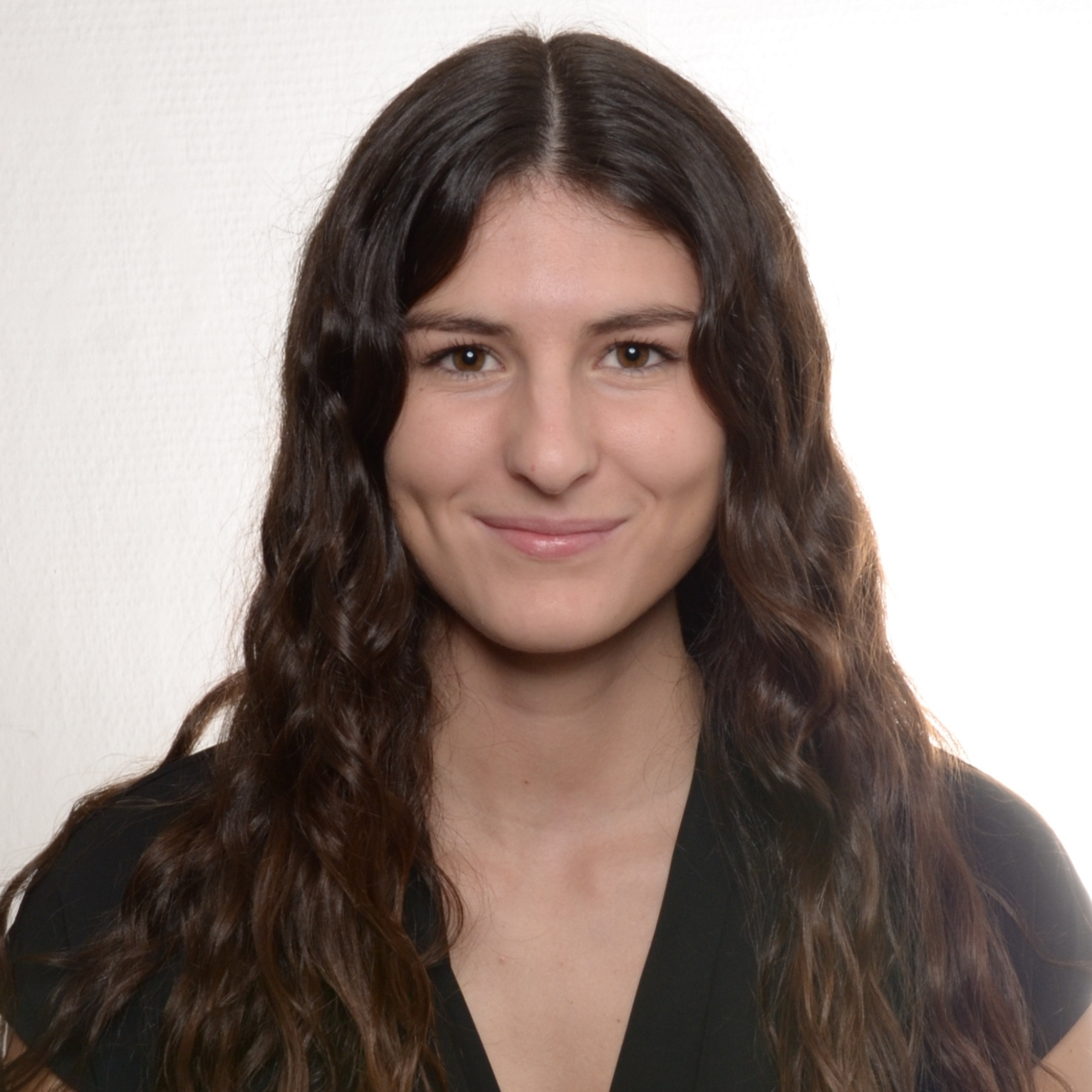 Originating from Barcelona, Laia’s educational journey led her to pursue secondary studies in the south of France. Her Bachelor’s degree in Economics and International Management allowed her to develop an analytical mindset. During her Master’s in International Business and Management, she engaged in numerous research study cases and actively participated in the creation of different business plans. This helped her develop an ability to critically analyze and address the strategic challenges that companies encounter.
 Andre has over 5 years of industry experience in project management, polymer and composite processing, materials characterization, and product development. He earned a Bachelor’s degree in Chemical Engineering from the Federal University of Santa Maria, Brazil, and a Ph.D. in Materials Science and Technology from the Federal University of Rio Grande do Sul, where he focused on Polymer and Composite materials. In 2012, he founded a design and manufacturing company specializing in biocomposites made with natural fibers, which he successfully sold in 2015.
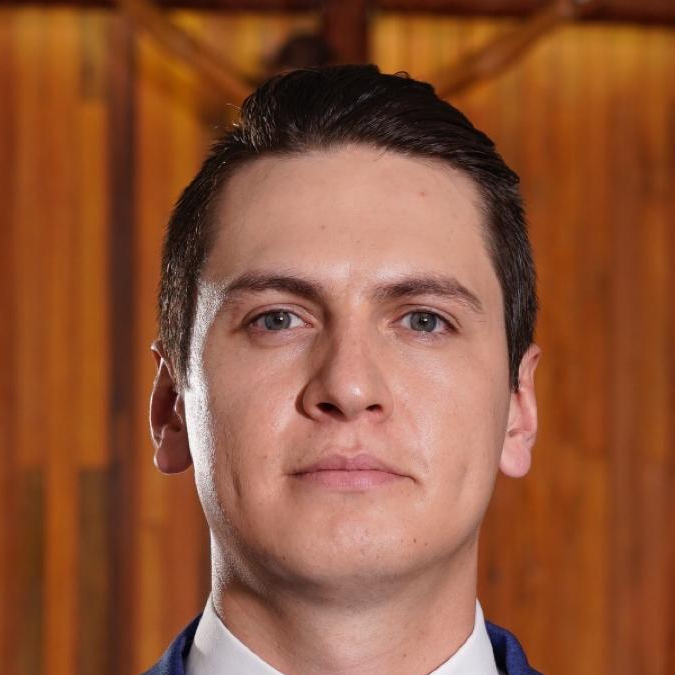 As an expert in sustainability, life cycle assessment, circular economy, and green chemistry, Nicolas possesses valuable skills and knowledge that can assist companies in developing and implementing sustainable and environmentally-friendly business models. They can achieve this by utilizing eco-friendly materials, improving manufacturing processes, reducing waste and hazardous chemical use, and advocating for the use of safer and more sustainable alternatives.
 Karan is an experienced professional who has worked in multiple geographies and roles along his career. He holds a total of 10+ years of experience in manufacturing operations, and has focused his efforts towards finding solutions for waste recovery and making recovery economical for industries.
  With several years of research experience in France and Canada, Fabien lends his expertise and passion for enzymology and microbiology to 5REDO’s sustainability innovation plans.
  With her significant hands-on experience in developing and characterizing biological and chemical systems, Vicky plays a key role in 5REDO’s efforts toward developing novel products and technologies that offer improved circularity and sustainability to the industry and society.
  As a recent graduate of chemical engineering from the University of Waterloo, Kyle brings his passion for impactful innovation and his experience with novel recycling processes to 5REDO to support our technology development initiatives.
  As our Senior Research Scientist, Hormoz draws on his eight years of industrial and nine years of academic research experience in the areas of polymer science and engineering to develop new solutions for advancing circularity and sustainability.
 Shauna is a freelance journalist that covers a wide range of topics, including health, education, the environment, travel, lifestyle trends, and more. She holds a Master of Journalism from Carleton University, and a Bachelor of Arts (Honours) in Global Development from Queen’s University.
 By leveraging her expertise in life cycle analysis and process engineering, Ophela helps 5REDO to take a holistic approach to the development of circular solutions and technologies.
  As the co-founder of 5REDO, Forough brings her expertise in supply chain management, business operations, inventory control, and revenue management to support the implementation of circular solutions within different industry sectors.
 With a passion for driving change and creating impact, Mahdi co-founded 5REDO to promote circular economy principles in Canada. He’s an alumnus of the 2021 Ellen MacArthur Foundation’s ‘From Linear to Circular Programme.’ Mahdi played a pivotal role in developing and managing the University of British Columbia’s (UBC) Circular Economy Seed Funding program, fostering partnerships between companies and academic researchers to co-create circular solutions.