

Many companies are used to conducting audits of their activities, whether it’s for efficiency, employee satisfaction, or ways to save money. In an era where more and more businesses are transitioning to sustainable practices, why not add waste—its creation and how to reduce it—to regular auditing work?
Reducing waste is a broad goal, something many organizations want to prioritize. To conduct circularity integration effectively, it’s important to have clear, accurate information about where to start, and that’s what a waste audit can provide. Business Development Canada (BDC) defines a waste audit as a study of the quantity and type of waste produced, and also what’s being done with it, breaking down “how much waste is being recycled, composted or sent to landfills or for incineration.”
In Ontario, many businesses, from hotels to construction giants are already required to conduct a waste audit, and devise what the province calls a Waste Reduction Workplan.
Often, businesses are unaware of how much waste they’re generating in the first place, or that it might be impacting their bottom line—and that there are sustainable alternatives that can actually save money in the long run.
Though it sounds rigorous, a waste audit can actually be as simple as a small company assessing the weight of what goes into each of their office waste bins and checking for contamination, which is a major problem in many waste streams, no matter the size.
So, where’s the real opportunity in it? First, it allows the best information possible to know how to move forward. Rather than jump in and make a costly, or even inefficient switch to a new type of packaging, for example, a waste audit can show what you’re already doing well, and where you can improve. It’s like making the transition at home to sustainable clothing: it’s not about throwing out all your existing clothes and hustling to buy up ethical swaps, as that may have useful items end up in landfill, defeating the purpose. Like so much of the transition to a circular economy, it’s about taking strategic steps toward change.
Waste audits may fly under the radar, since they aren’t the most attractive, presentable action items that can be easily marketed to customers. But they’re crucial in that they provide a closer look at daily operations, providing accurate information for how to build lasting sustainable practices. No, looking in your garbage can isn’t the first thing that comes to mind when considering how to improve habits—but with a waste audit, trash becomes less of a hassle and more of an opportunity to generate value, long-term. Techno-economic and life cycle assessments can provide further insights to support decision making for managing this waste.
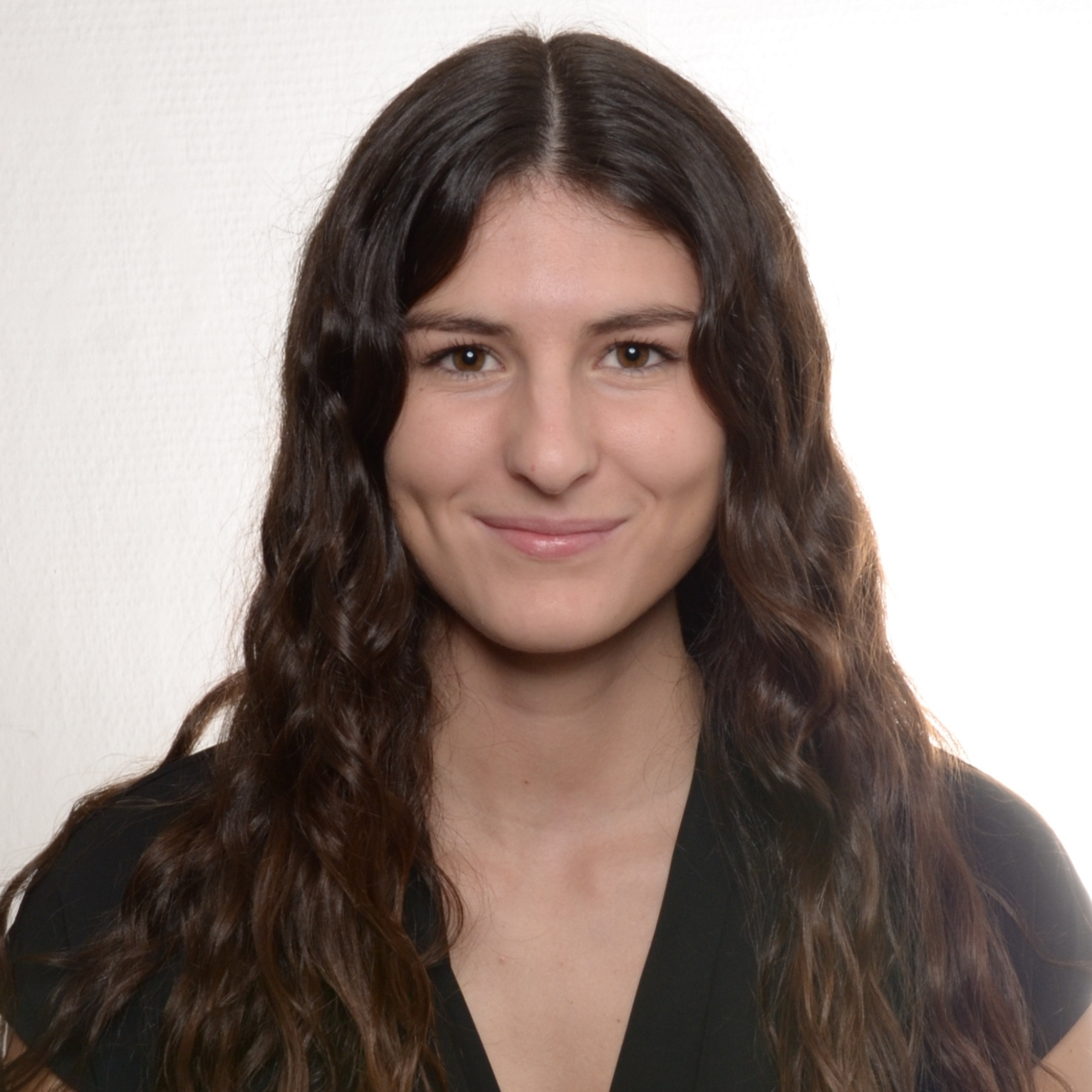 Originating from Barcelona, Laia’s educational journey led her to pursue secondary studies in the south of France. Her Bachelor’s degree in Economics and International Management allowed her to develop an analytical mindset. During her Master’s in International Business and Management, she engaged in numerous research study cases and actively participated in the creation of different business plans. This helped her develop an ability to critically analyze and address the strategic challenges that companies encounter.
 Andre has over 5 years of industry experience in project management, polymer and composite processing, materials characterization, and product development. He earned a Bachelor’s degree in Chemical Engineering from the Federal University of Santa Maria, Brazil, and a Ph.D. in Materials Science and Technology from the Federal University of Rio Grande do Sul, where he focused on Polymer and Composite materials. In 2012, he founded a design and manufacturing company specializing in biocomposites made with natural fibers, which he successfully sold in 2015.
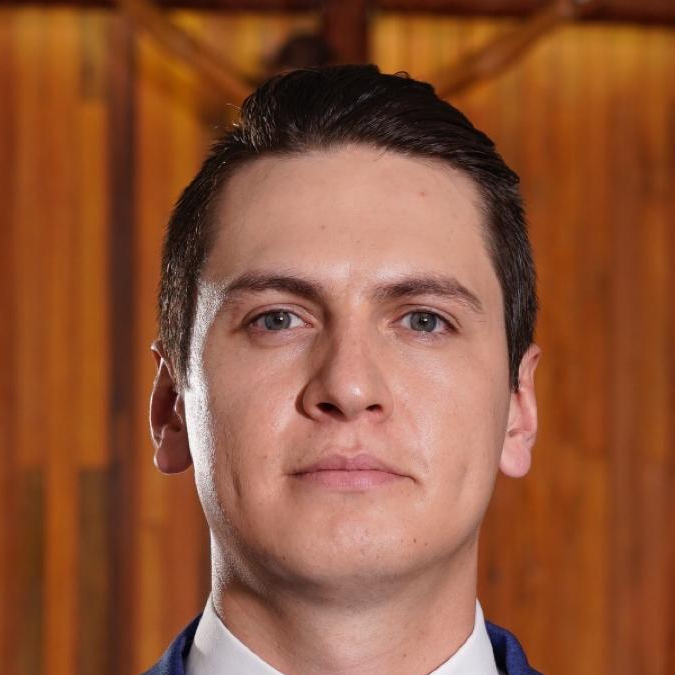 As an expert in sustainability, life cycle assessment, circular economy, and green chemistry, Nicolas possesses valuable skills and knowledge that can assist companies in developing and implementing sustainable and environmentally-friendly business models. They can achieve this by utilizing eco-friendly materials, improving manufacturing processes, reducing waste and hazardous chemical use, and advocating for the use of safer and more sustainable alternatives.
 Karan is an experienced professional who has worked in multiple geographies and roles along his career. He holds a total of 10+ years of experience in manufacturing operations, and has focused his efforts towards finding solutions for waste recovery and making recovery economical for industries.
  With several years of research experience in France and Canada, Fabien lends his expertise and passion for enzymology and microbiology to 5REDO’s sustainability innovation plans.
  With her significant hands-on experience in developing and characterizing biological and chemical systems, Vicky plays a key role in 5REDO’s efforts toward developing novel products and technologies that offer improved circularity and sustainability to the industry and society.
  As a recent graduate of chemical engineering from the University of Waterloo, Kyle brings his passion for impactful innovation and his experience with novel recycling processes to 5REDO to support our technology development initiatives.
  As our Senior Research Scientist, Hormoz draws on his eight years of industrial and nine years of academic research experience in the areas of polymer science and engineering to develop new solutions for advancing circularity and sustainability.
 Shauna is a freelance journalist that covers a wide range of topics, including health, education, the environment, travel, lifestyle trends, and more. She holds a Master of Journalism from Carleton University, and a Bachelor of Arts (Honours) in Global Development from Queen’s University.
 By leveraging her expertise in life cycle analysis and process engineering, Ophela helps 5REDO to take a holistic approach to the development of circular solutions and technologies.
  As the co-founder of 5REDO, Forough brings her expertise in supply chain management, business operations, inventory control, and revenue management to support the implementation of circular solutions within different industry sectors.
 With a passion for driving change and creating impact, Mahdi co-founded 5REDO to promote circular economy principles in Canada. He’s an alumnus of the 2021 Ellen MacArthur Foundation’s ‘From Linear to Circular Programme.’ Mahdi played a pivotal role in developing and managing the University of British Columbia’s (UBC) Circular Economy Seed Funding program, fostering partnerships between companies and academic researchers to co-create circular solutions.