

Every industry faces unique issues when it comes to reducing waste. Restaurants are grappling with the switch to sustainable takeout packaging, while the textiles world is responding to the challenge of scaling down from fast fashion. Healthcare is no exception, and it’s a sector that comes with distinct challenges.
Healthcare settings generate a significant amount of waste. A 2019 report on 110 Canadian hospitals found they generated nearly 87,000 tonnes of waste annually, about the size of the Great Pacific Garbage Patch – and this doesn’t include waste from long-term care homes, clinics, or private practices.
A main driver of this waste are single-use items, which are common and necessary in healthcare. Things like gloves, cotton swabs, syringes, and bandages are single-use, and for good reason – to protect and promote patient health. Indeed, the Canadian government’s recent single-use plastics ban included exemptions for healthcare.
Another factor specific to healthcare is the delineation of the waste stream, between “regular” and biohazardous waste. The World Health Organization (WHO) estimates that about 85% of waste produced in healthcare settings is non-hazardous and can be disposed of the same as household garbage. The rest must be treated as hazardous, including things like used syringes, human waste, vaccine products or medications. Though there’s a clear delineation of the waste streams, contamination continues to be a problem.
The Canadian Medical Association Journal published a review of waste issues in the country’s healthcare system, and improper disposal was named as a major one. According to Laurette Geldenhuys of the Canadian Association of Physicians for the Environment (CAPE), much of the garbage produced in healthcare is improperly discarded with hazardous waste. It is then either unnecessarily incinerated or sanitized, adding both cost and greenhouse gas emissions.
Geldenhuys noted that many physicians are confused about how to properly dispose of waste, and in an intense, high-stress job, this can fall to the wayside. She tackled the problem in her own lab by conducting an audit, bringing in additional bins and bags for recycling and garbage, and educating staff. In just one month, the lab’s special waste output was reduced by 75%.
While this proves that better waste management is possible, there’s also a need for more sustainable products in healthcare, especially single-use items.
Through our sustainable materials R&D services, 5REDO is currently working on a prototype for compostable gloves, as these are some of the most common items to end up in landfill and are otherwise not reusable. The same goes for things like cotton swabs, packaging, or wound dressing. There are reusable or compostable versions of these on the market, and phasing them into healthcare – while ensuring patient health – could be a crucial step. Evaluating the environmental impact of these solutions through life cycle assessment can generate data to support implementation and widespread adoption.
Healthcare is essential, and so is the innovation to make it more sustainable. While many sectors are focused on shifting reliance from unsustainable products – like sourcing energy from wind or solar rather than fossil fuels – healthcare isn’t going anywhere. Instead, it must adapt, as it has for centuries, to best practices for both patients and the planet.
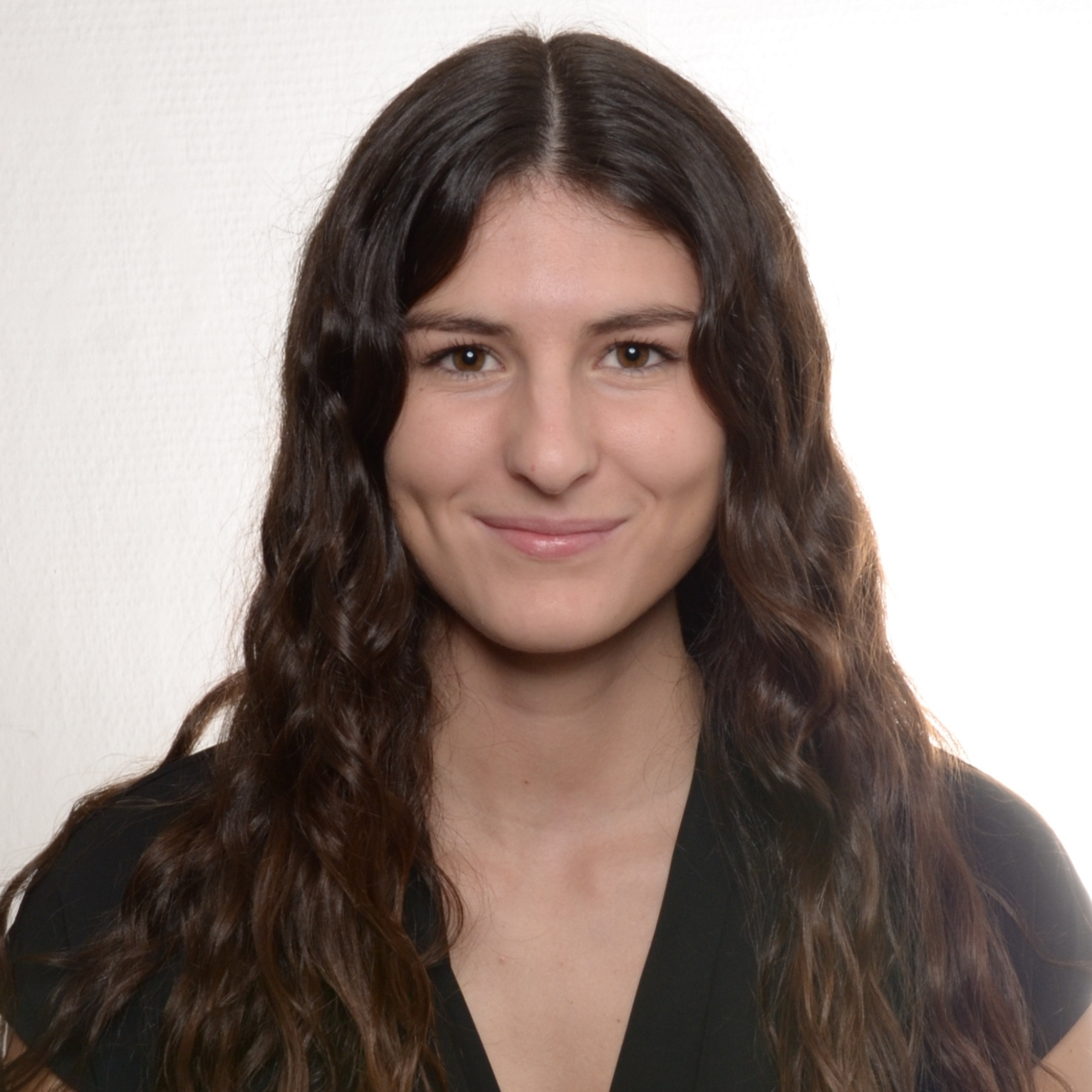 Originating from Barcelona, Laia’s educational journey led her to pursue secondary studies in the south of France. Her Bachelor’s degree in Economics and International Management allowed her to develop an analytical mindset. During her Master’s in International Business and Management, she engaged in numerous research study cases and actively participated in the creation of different business plans. This helped her develop an ability to critically analyze and address the strategic challenges that companies encounter.
 Andre has over 5 years of industry experience in project management, polymer and composite processing, materials characterization, and product development. He earned a Bachelor’s degree in Chemical Engineering from the Federal University of Santa Maria, Brazil, and a Ph.D. in Materials Science and Technology from the Federal University of Rio Grande do Sul, where he focused on Polymer and Composite materials. In 2012, he founded a design and manufacturing company specializing in biocomposites made with natural fibers, which he successfully sold in 2015.
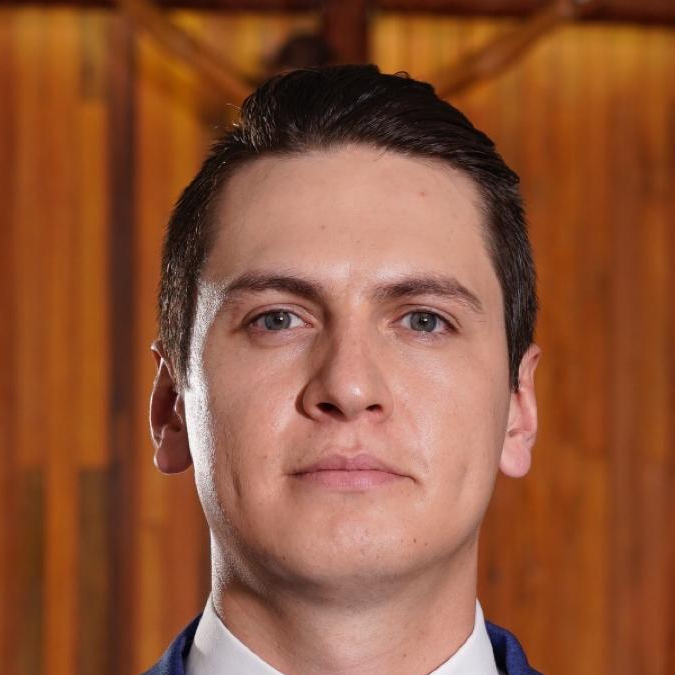 As an expert in sustainability, life cycle assessment, circular economy, and green chemistry, Nicolas possesses valuable skills and knowledge that can assist companies in developing and implementing sustainable and environmentally-friendly business models. They can achieve this by utilizing eco-friendly materials, improving manufacturing processes, reducing waste and hazardous chemical use, and advocating for the use of safer and more sustainable alternatives.
 Karan is an experienced professional who has worked in multiple geographies and roles along his career. He holds a total of 10+ years of experience in manufacturing operations, and has focused his efforts towards finding solutions for waste recovery and making recovery economical for industries.
  With several years of research experience in France and Canada, Fabien lends his expertise and passion for enzymology and microbiology to 5REDO’s sustainability innovation plans.
  With her significant hands-on experience in developing and characterizing biological and chemical systems, Vicky plays a key role in 5REDO’s efforts toward developing novel products and technologies that offer improved circularity and sustainability to the industry and society.
  As a recent graduate of chemical engineering from the University of Waterloo, Kyle brings his passion for impactful innovation and his experience with novel recycling processes to 5REDO to support our technology development initiatives.
  As our Senior Research Scientist, Hormoz draws on his eight years of industrial and nine years of academic research experience in the areas of polymer science and engineering to develop new solutions for advancing circularity and sustainability.
 Shauna is a freelance journalist that covers a wide range of topics, including health, education, the environment, travel, lifestyle trends, and more. She holds a Master of Journalism from Carleton University, and a Bachelor of Arts (Honours) in Global Development from Queen’s University.
 By leveraging her expertise in life cycle analysis and process engineering, Ophela helps 5REDO to take a holistic approach to the development of circular solutions and technologies.
  As the co-founder of 5REDO, Forough brings her expertise in supply chain management, business operations, inventory control, and revenue management to support the implementation of circular solutions within different industry sectors.
 With a passion for driving change and creating impact, Mahdi co-founded 5REDO to promote circular economy principles in Canada. He’s an alumnus of the 2021 Ellen MacArthur Foundation’s ‘From Linear to Circular Programme.’ Mahdi played a pivotal role in developing and managing the University of British Columbia’s (UBC) Circular Economy Seed Funding program, fostering partnerships between companies and academic researchers to co-create circular solutions.