

In 2019-2020, Cooper Hewitt Smithsonian Design Museum in New York held an exhibition called Nature—Cooper Hewitt Design Triennial to showcase prototypes, consumer products and architectural constructions that engage with nature in innovative ways, driven by concerns around climate change and ecological crises. Among the objects on view in this exhibition was a prototype of Adidas sneakers made from marine plastic waste collected from coastal areas by the environmental institution Parley. The collaboration between these two organizations, initiated in 2015, has been an inspiration for others to push boundaries on scaling up the manufacture of products from reclaimed ocean plastics.
Plastics accumulating in the oceans and on the beaches has become an international crisis. It is estimated than 8 million tons of plastics enter the ocean every year. There have been growing efforts by governments, non-profit originations, and industries to develop downstream solutions and policies to prevent leakage of plastic waste, at the macro, micro, and even nano level, into marine waters. In addition, several initiatives across the globe is now focused on collecting plastics, such as water bottles and fishing nets, that have been abandoned in coastal regions and ocean areas. Besides post consumer plastics collected through recycling programs, the reclaimed plastics from the ocean could provide a source of feedstock, in lieu of virgin materials, for production of plastic parts. However, these plastics are more challenging to recirculate into manufacturing processes.
Ocean plastics have been exposed to several harsh environmental conditions and stresses that are not typical of post consumer plastics. The deteriorating impact of these conditions on physical and chemical properties of plastics need to be addressed at several stages of processing from feedstock production to product manufacturing. Laboratory testing and materials characterization help manufacturers understand how ocean exposure has affected plastic properties and whether recovered materials meet performance requirements. As an example, let’s take the ocean plastic bottle introduced by Method to package its cleaning products. To alleviate the odor contamination of the ocean plastics, Method relied on the patented devolatilization process of its partner Envision to remove odor and absorbed chemicals. The degraded properties of the ocean plastics and its mixed plastic composition did not allow the bottle to be fully made from this feedstock and instead a blend of recovered ocean plastics and post-consumer recycled plastics were used. In addition, the final color of the bottle became grey, which could be a limiting factor in the packaging market that often seeks colors.
For the businesses seeking to make impact and create brand recognition through the use of ocean plastics in their products, the options are not limited. High-quality ocean plastic resins and yarns are now produced by several companies across the globe (for example, Oceanworks which is based in California). In addition, collaborative initiatives such as Nextwave has been launched with participation of multinational technology and consumer brands, including General Motors, Dell, IKEA, among others, to develop a commercial scale supply chain for ocean-bound plastics, defined as plastics found on the ground within 50 kilometers of a waterway or coastal area and have not yet found its way into the ocean.
The Method bottle, mentioned earlier as an example of an ocean plastic product, was first introduced in 2012 and since then the science and technology of processing and recycling ocean plastics, as well as logistical infrastructure and supply chains, have further advanced to facilitate the circularity of these materials. Such efforts need to be continued to encourage the collection of plastics in the oceans and nearby regions. Life cycle assessment (LCA) can compare the environmental impact of ocean-recovered plastics against virgin materials and other alternatives to verify genuine environmental benefits.
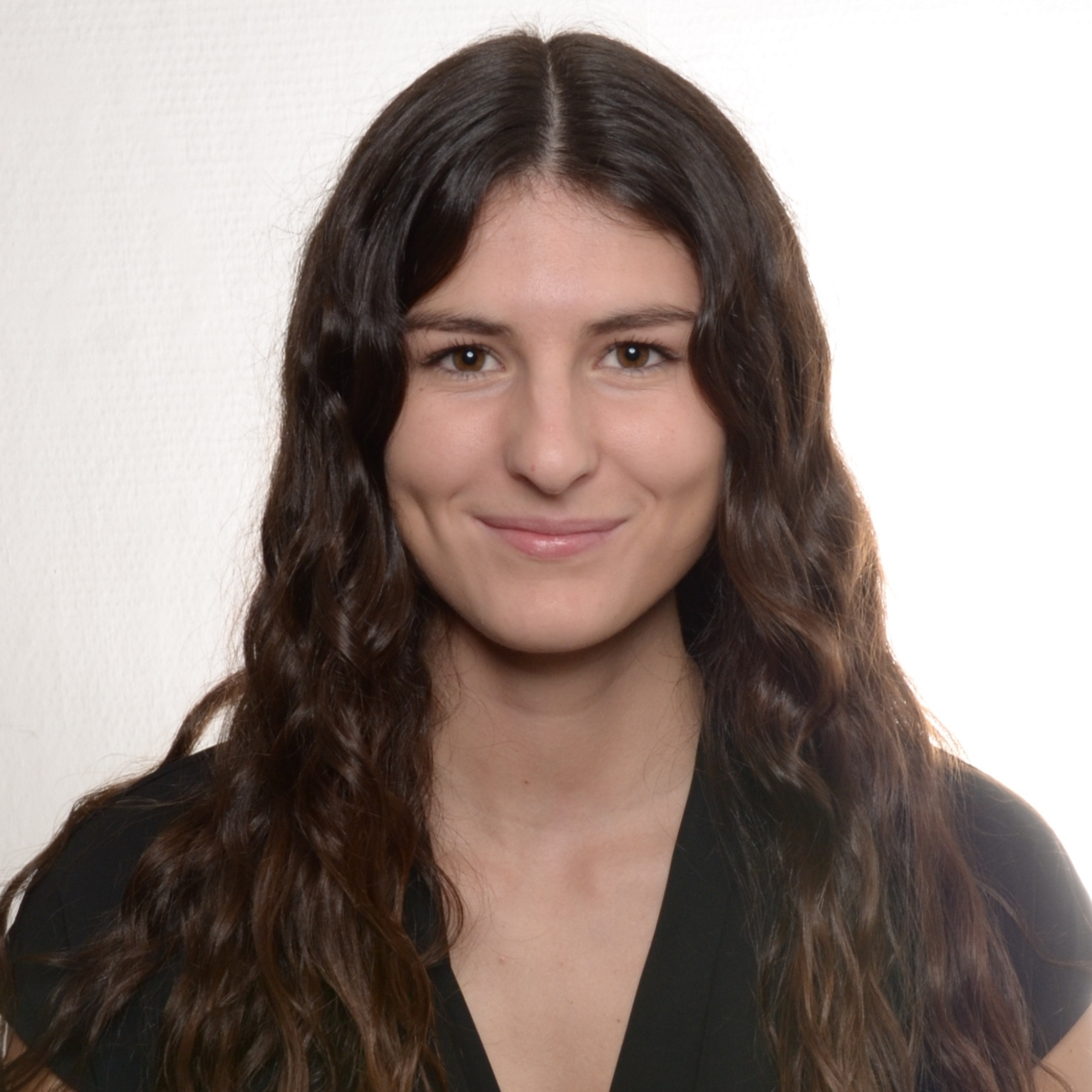 Originating from Barcelona, Laia’s educational journey led her to pursue secondary studies in the south of France. Her Bachelor’s degree in Economics and International Management allowed her to develop an analytical mindset. During her Master’s in International Business and Management, she engaged in numerous research study cases and actively participated in the creation of different business plans. This helped her develop an ability to critically analyze and address the strategic challenges that companies encounter.
 Andre has over 5 years of industry experience in project management, polymer and composite processing, materials characterization, and product development. He earned a Bachelor’s degree in Chemical Engineering from the Federal University of Santa Maria, Brazil, and a Ph.D. in Materials Science and Technology from the Federal University of Rio Grande do Sul, where he focused on Polymer and Composite materials. In 2012, he founded a design and manufacturing company specializing in biocomposites made with natural fibers, which he successfully sold in 2015.
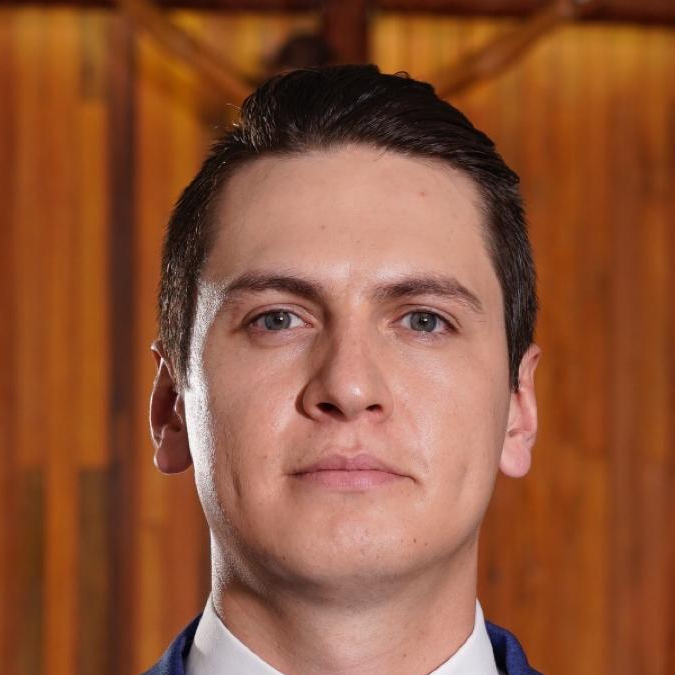 As an expert in sustainability, life cycle assessment, circular economy, and green chemistry, Nicolas possesses valuable skills and knowledge that can assist companies in developing and implementing sustainable and environmentally-friendly business models. They can achieve this by utilizing eco-friendly materials, improving manufacturing processes, reducing waste and hazardous chemical use, and advocating for the use of safer and more sustainable alternatives.
 Karan is an experienced professional who has worked in multiple geographies and roles along his career. He holds a total of 10+ years of experience in manufacturing operations, and has focused his efforts towards finding solutions for waste recovery and making recovery economical for industries.
  With several years of research experience in France and Canada, Fabien lends his expertise and passion for enzymology and microbiology to 5REDO’s sustainability innovation plans.
  With her significant hands-on experience in developing and characterizing biological and chemical systems, Vicky plays a key role in 5REDO’s efforts toward developing novel products and technologies that offer improved circularity and sustainability to the industry and society.
  As a recent graduate of chemical engineering from the University of Waterloo, Kyle brings his passion for impactful innovation and his experience with novel recycling processes to 5REDO to support our technology development initiatives.
  As our Senior Research Scientist, Hormoz draws on his eight years of industrial and nine years of academic research experience in the areas of polymer science and engineering to develop new solutions for advancing circularity and sustainability.
 Shauna is a freelance journalist that covers a wide range of topics, including health, education, the environment, travel, lifestyle trends, and more. She holds a Master of Journalism from Carleton University, and a Bachelor of Arts (Honours) in Global Development from Queen’s University.
 By leveraging her expertise in life cycle analysis and process engineering, Ophela helps 5REDO to take a holistic approach to the development of circular solutions and technologies.
  As the co-founder of 5REDO, Forough brings her expertise in supply chain management, business operations, inventory control, and revenue management to support the implementation of circular solutions within different industry sectors.
 With a passion for driving change and creating impact, Mahdi co-founded 5REDO to promote circular economy principles in Canada. He’s an alumnus of the 2021 Ellen MacArthur Foundation’s ‘From Linear to Circular Programme.’ Mahdi played a pivotal role in developing and managing the University of British Columbia’s (UBC) Circular Economy Seed Funding program, fostering partnerships between companies and academic researchers to co-create circular solutions.