

Written by Fabien Hammerer, 5REDO CTO.
Microplastics are a growing environmental concern. Evidence shows their persistence in ecosystems and potential risks to both wildlife and human health. However, many questions remain about their environmental impacts—particularly concerning greenhouse gas (GHG) emissions and ecotoxicity. Research led by Yuan Yao at Yale University sought to uncover the complexities of microplastic use through a life cycle assessment (LCA), revealing significant trade-offs that could influence our approach to sustainable plastics.
Biodegradable plastics, designed to break down in natural environments, often help reduce ecotoxicity, particularly in aquatic ecosystems. Yet, these benefits can come with a downside: increased GHG emissions. For instance, polylactic acid (PLA) has a relatively low GHG footprint but degrades slowly, potentially increasing aquatic toxicity. Conversely, some bioplastics that degrade faster can emit more GHGs if they break down in conditions that release methane, a potent greenhouse gas. This raises an essential question: is reducing one impact worth increasing another?
Effective end-of-life (EoL) management plays a key role in mitigating the environmental impact of biodegradable plastics. While it may seem eco-friendly to allow these plastics to biodegrade naturally, this can significantly increase GHG emissions. Studies show that plastics left in the natural environment may release more emissions compared to those processed in controlled settings like industrial composting or anaerobic digestion. In these engineered environments, emissions are captured and managed, lessening their climate impact.
Using bio-based sources for plastics is a common strategy to reduce carbon footprints, yet this alone may not be enough. Although plants absorb carbon during growth, this sequestration doesn’t fully compensate for emissions released when bio-sourced plastics degrade, especially under anaerobic conditions. Without proper EoL management, bio-sourced plastics could still contribute a net GHG burden, emphasizing the need for thoughtful disposal practices.
Finding a Balance for Sustainable Plastics
Yao’s research highlights that the environmental impacts of microplastics are multifaceted and complex. More research is needed to understand how different materials, particle sizes, and degradation pathways interact with ecosystems. This evolving knowledge base will help us develop refined solutions for reducing plastic pollution.
These findings emphasize that sustainable plastics require a balanced approach. For businesses and environmental advocates, adopting engineered EoL solutions, evaluating material trade-offs, and considering the full lifecycle are critical to minimizing environmental impacts. Additionally, this study underscores the importance of particle size in environmental impact, with smaller particles often degrading differently and sometimes releasing more GHGs.
Choosing sustainable materials involves more than selecting biodegradable or bio-sourced options. Managing these materials across their lifecycle—from production to EoL—is crucial. By focusing on these factors, we can make more informed, sustainable choices in addressing plastic pollution. Our sustainable materials R&D services help businesses evaluate these trade-offs in material selection.
Curious about how Life Cycle Assessment can benefit your business? Visit our LCA page to learn more about minimizing your environmental impact.
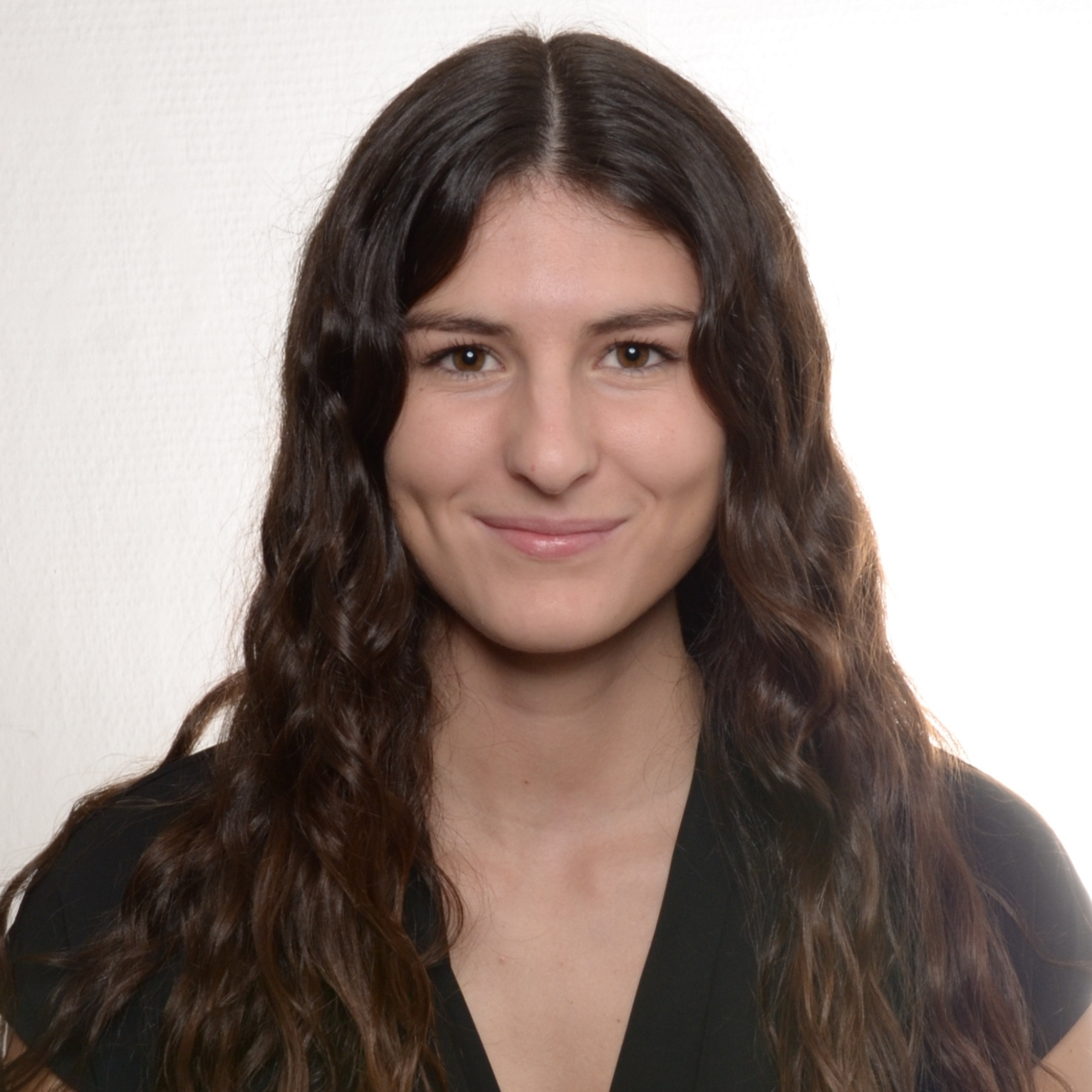 Originating from Barcelona, Laia’s educational journey led her to pursue secondary studies in the south of France. Her Bachelor’s degree in Economics and International Management allowed her to develop an analytical mindset. During her Master’s in International Business and Management, she engaged in numerous research study cases and actively participated in the creation of different business plans. This helped her develop an ability to critically analyze and address the strategic challenges that companies encounter.
 Andre has over 5 years of industry experience in project management, polymer and composite processing, materials characterization, and product development. He earned a Bachelor’s degree in Chemical Engineering from the Federal University of Santa Maria, Brazil, and a Ph.D. in Materials Science and Technology from the Federal University of Rio Grande do Sul, where he focused on Polymer and Composite materials. In 2012, he founded a design and manufacturing company specializing in biocomposites made with natural fibers, which he successfully sold in 2015.
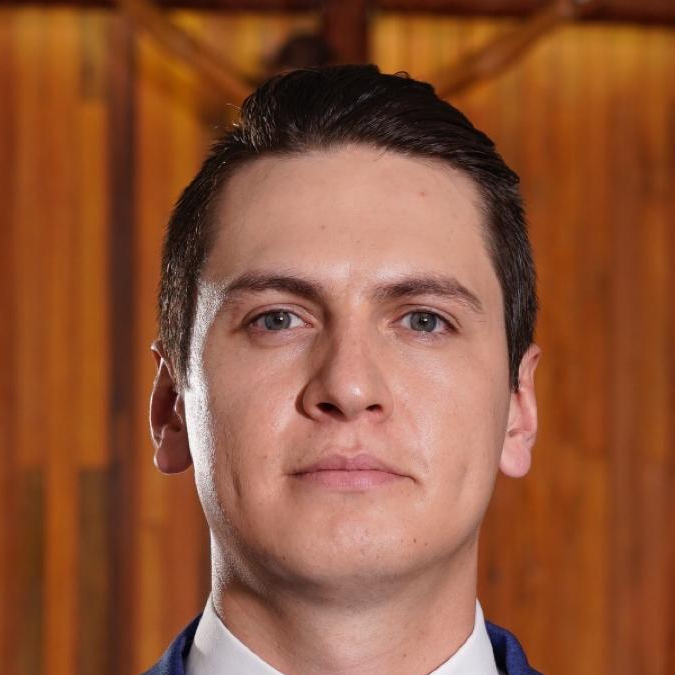 As an expert in sustainability, life cycle assessment, circular economy, and green chemistry, Nicolas possesses valuable skills and knowledge that can assist companies in developing and implementing sustainable and environmentally-friendly business models. They can achieve this by utilizing eco-friendly materials, improving manufacturing processes, reducing waste and hazardous chemical use, and advocating for the use of safer and more sustainable alternatives.
 Karan is an experienced professional who has worked in multiple geographies and roles along his career. He holds a total of 10+ years of experience in manufacturing operations, and has focused his efforts towards finding solutions for waste recovery and making recovery economical for industries.
  With several years of research experience in France and Canada, Fabien lends his expertise and passion for enzymology and microbiology to 5REDO’s sustainability innovation plans.
  With her significant hands-on experience in developing and characterizing biological and chemical systems, Vicky plays a key role in 5REDO’s efforts toward developing novel products and technologies that offer improved circularity and sustainability to the industry and society.
  As a recent graduate of chemical engineering from the University of Waterloo, Kyle brings his passion for impactful innovation and his experience with novel recycling processes to 5REDO to support our technology development initiatives.
  As our Senior Research Scientist, Hormoz draws on his eight years of industrial and nine years of academic research experience in the areas of polymer science and engineering to develop new solutions for advancing circularity and sustainability.
 Shauna is a freelance journalist that covers a wide range of topics, including health, education, the environment, travel, lifestyle trends, and more. She holds a Master of Journalism from Carleton University, and a Bachelor of Arts (Honours) in Global Development from Queen’s University.
 By leveraging her expertise in life cycle analysis and process engineering, Ophela helps 5REDO to take a holistic approach to the development of circular solutions and technologies.
  As the co-founder of 5REDO, Forough brings her expertise in supply chain management, business operations, inventory control, and revenue management to support the implementation of circular solutions within different industry sectors.
 With a passion for driving change and creating impact, Mahdi co-founded 5REDO to promote circular economy principles in Canada. He’s an alumnus of the 2021 Ellen MacArthur Foundation’s ‘From Linear to Circular Programme.’ Mahdi played a pivotal role in developing and managing the University of British Columbia’s (UBC) Circular Economy Seed Funding program, fostering partnerships between companies and academic researchers to co-create circular solutions.