

In our first piece on food waste, we established that it’s a major global problem, one soured by the fact that millions face hunger and a rising cost of groceries. Luckily, there are many initiatives, from public health campaigns, startups, and social media groups seeing great success in the mission to end food waste.
For grocers and food producers, reducing waste can be challenging not only because of sell-by and expiry dates, but the maneuvering required to get unsold food out to where it’s needed. In recent years, a variety of businesses have stepped in to fill this need. Denmark-based Too Good To Go and Toronto-based company Flashfood connect users (via their apps) with surplus food at local grocers and restaurants, and offer options like “surprise bags” and discounted food close to its sell-by date. In the UK, Oddbox works with farms to identify produce at risk of going to waste—largely due to its odd shape—and puts together subscription or pickup boxes for nearby customers.
Grocers are also making changes, with Toronto-area chain Longo’s already hitting a target of more than 75% food waste reduction, by utilizing services like Too Good to Go, upcycling unsold ingredients, and using various metrics to gauge demand, to ensure they only supply what will be bought and used. Costco Canada works with more than 400 local organizations to donate both non-perishable and perishable goods to places in need, and at some facilities, food waste is used to create compost and fertilizer that is then sent to local farms.
While activities are going on across many industries, Canada’s National Zero Waste Council found that cohesion is needed to tackle food waste in a more significant way. After reviewing input from hundreds of stakeholders, the Council created a Food Waste Pyramid, ranking steps toward reducing food waste in the country; prevention came out on top.
The Council states that a national target is needed so that food producers, stores, and municipalities can have a framework to work from, ideally supported by environmental impact assessments to guide decision-making. Another major step identified is reducing confusion over food labels, so consumers can better discern between “sell by”, “best before” and so on. This would not only reduce waste at the household level, but make it easier for suppliers to move unsold perishable products to where they’re needed.
Of course, amidst larger structural change, individuals play an important role, as we know food waste at the household level is significant. A poll from the Canadian Centre for Food Integrity found individual consumers feel they’re “most responsible” (at 59%), for reducing food waste, closely followed by restaurants and grocery stores. With this in mind, a number of efforts target consumer-to-consumer waste reduction, such as Facebook groups like Buy Nothing, which facilitate swaps of used or surplus items, including food.
Individuals can also reduce food waste by being more judicious when grocery shopping and not over-buying. Cooking at home rather than ordering in, freezing or better preserving produce in your fridge, and also composting when necessary—and properly—is important. If you have an at-home garden, you can also use food scraps to create compost or enrich soil. Making use of local food banks and community fridges to donate unused food is also a great option.
Amidst efforts to implement circular economy principles into our everyday lives, food offers many options; with so many people hungry, there’s more reason than ever to make sure nothing goes to waste.
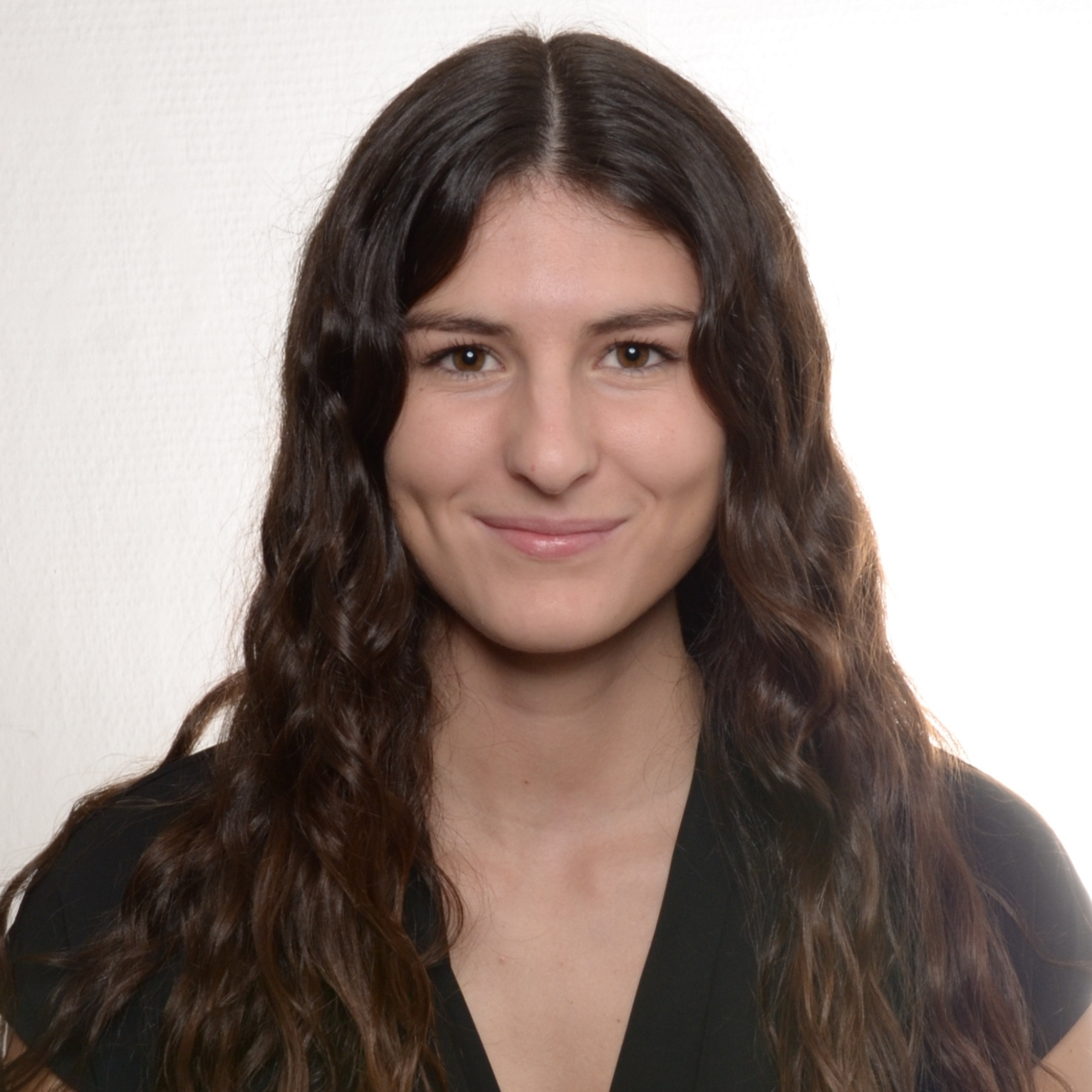 Originating from Barcelona, Laia’s educational journey led her to pursue secondary studies in the south of France. Her Bachelor’s degree in Economics and International Management allowed her to develop an analytical mindset. During her Master’s in International Business and Management, she engaged in numerous research study cases and actively participated in the creation of different business plans. This helped her develop an ability to critically analyze and address the strategic challenges that companies encounter.
 Andre has over 5 years of industry experience in project management, polymer and composite processing, materials characterization, and product development. He earned a Bachelor’s degree in Chemical Engineering from the Federal University of Santa Maria, Brazil, and a Ph.D. in Materials Science and Technology from the Federal University of Rio Grande do Sul, where he focused on Polymer and Composite materials. In 2012, he founded a design and manufacturing company specializing in biocomposites made with natural fibers, which he successfully sold in 2015.
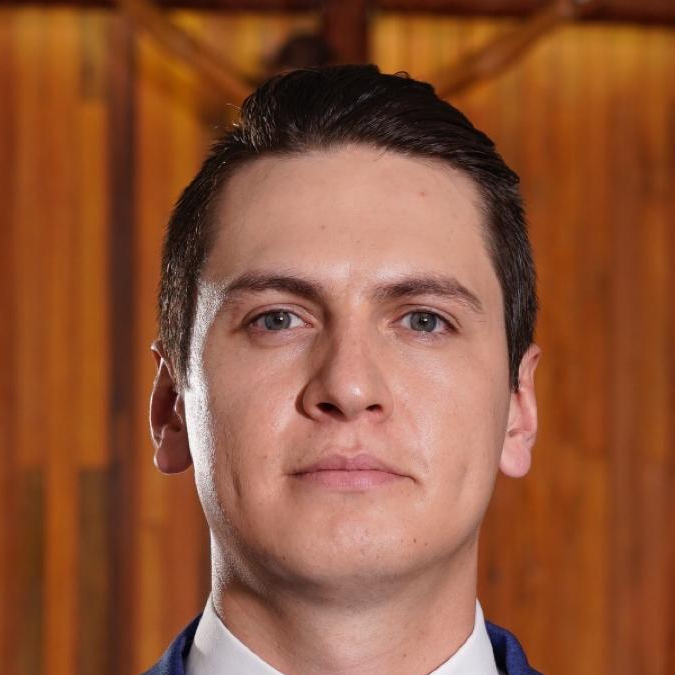 As an expert in sustainability, life cycle assessment, circular economy, and green chemistry, Nicolas possesses valuable skills and knowledge that can assist companies in developing and implementing sustainable and environmentally-friendly business models. They can achieve this by utilizing eco-friendly materials, improving manufacturing processes, reducing waste and hazardous chemical use, and advocating for the use of safer and more sustainable alternatives.
 Karan is an experienced professional who has worked in multiple geographies and roles along his career. He holds a total of 10+ years of experience in manufacturing operations, and has focused his efforts towards finding solutions for waste recovery and making recovery economical for industries.
  With several years of research experience in France and Canada, Fabien lends his expertise and passion for enzymology and microbiology to 5REDO’s sustainability innovation plans.
  With her significant hands-on experience in developing and characterizing biological and chemical systems, Vicky plays a key role in 5REDO’s efforts toward developing novel products and technologies that offer improved circularity and sustainability to the industry and society.
  As a recent graduate of chemical engineering from the University of Waterloo, Kyle brings his passion for impactful innovation and his experience with novel recycling processes to 5REDO to support our technology development initiatives.
  As our Senior Research Scientist, Hormoz draws on his eight years of industrial and nine years of academic research experience in the areas of polymer science and engineering to develop new solutions for advancing circularity and sustainability.
 Shauna is a freelance journalist that covers a wide range of topics, including health, education, the environment, travel, lifestyle trends, and more. She holds a Master of Journalism from Carleton University, and a Bachelor of Arts (Honours) in Global Development from Queen’s University.
 By leveraging her expertise in life cycle analysis and process engineering, Ophela helps 5REDO to take a holistic approach to the development of circular solutions and technologies.
  As the co-founder of 5REDO, Forough brings her expertise in supply chain management, business operations, inventory control, and revenue management to support the implementation of circular solutions within different industry sectors.
 With a passion for driving change and creating impact, Mahdi co-founded 5REDO to promote circular economy principles in Canada. He’s an alumnus of the 2021 Ellen MacArthur Foundation’s ‘From Linear to Circular Programme.’ Mahdi played a pivotal role in developing and managing the University of British Columbia’s (UBC) Circular Economy Seed Funding program, fostering partnerships between companies and academic researchers to co-create circular solutions.