

Composting programs have been a fixture across the country for many years, both in rural and urban settings. Millions of Canadians are now familiar with how to separate organic waste at home, and expect local authorities to collect and properly compost that waste.
With that said, experts in the environmental space have pointed out gaps in the system, such as the fact that some facilities are not equipped to compost all organic material, and diversion rates are not as high as they could be. Still, recent data show that composting organics is becoming more streamlined, efficient, and successful in Canada.
To get a better sense of this, it’s useful to look at how trends have evolved over time. In 2012, composting experts BioCycle did an analysis of composting across the country. Against recent Statistics Canada data, it offers an illuminating comparison.
- In 2012, Nova Scotia was considered a leader, with aggressive targets for limiting waste and increasing composting investment. As of 2019, Nova Scotia and PEI were found to be the most dedicated kitchen waste composters, at 90 and 95% of households, respectively.
- Quebec had a goal of 60% diversion of all organic waste, but a rate of only 22% in 2012. Based on 2018 figures, that number is now at 31%, and the Quebec government has said they have a goal of 70% by 2030.
- At the time in Ontario, about 40% of municipalities had curbside organics collection, and diverted more waste than any other province. However, most programs did not extend to multi-unit buildings, and unfortunately this is still the case (Some regions, like Waterloo, have just introduced plans to include composting in these buildings).
- In 2012, Alberta generated more waste per capita than any other province, and Calgary had only just launched a composting program at the time – but today, households there are more than twice as likely to compost kitchen waste than in Edmonton. As explained by Statistics Canada, this is likely because Edmonton still has a single-stream waste program, where waste is sorted at facilities. Officials there are now looking to change this.
- BioCycle found that composting rates in Vancouver were pretty low, and today, they remain so; approximately 1 in 12 households in Vancouver had access to a municipal composting program and did not use it. However, recent stats from the City of Vancouver say their overall waste diversion rate (which includes recycling and compost) is around 63%.
So, what can we glean from this evolution? As BioCycle explains, investment is needed on part of local authorities as well as private companies, who provide facilities and expertise to compost organic waste. Access is also crucial, as we see in the case of Calgary and households in the Maritimes. Over the past decade, much improvement has been made for composting in Canada, but there’s still a long way to go. We’ll examine this further in a discussion about bioplastics and more, next month.
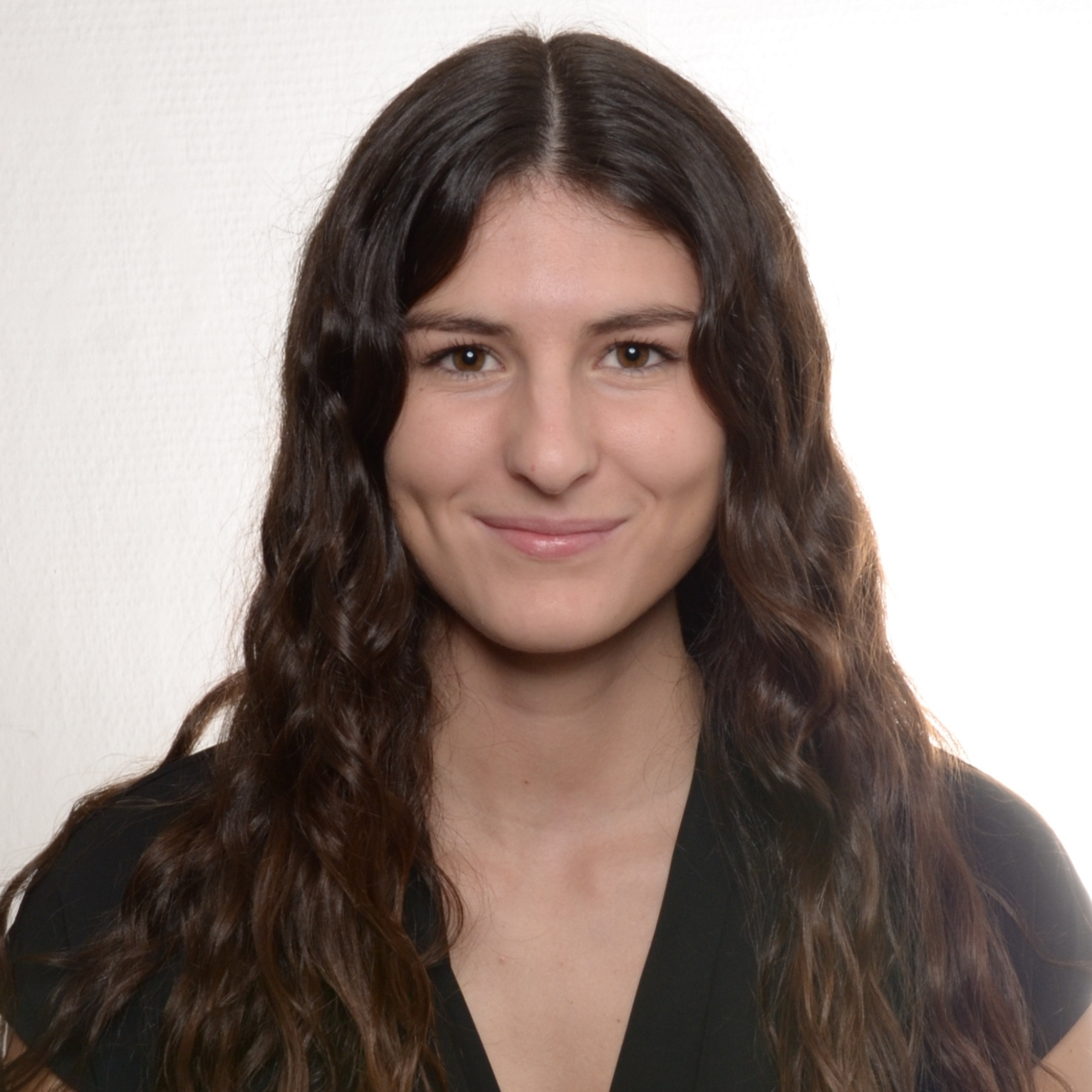 Originating from Barcelona, Laia’s educational journey led her to pursue secondary studies in the south of France. Her Bachelor’s degree in Economics and International Management allowed her to develop an analytical mindset. During her Master’s in International Business and Management, she engaged in numerous research study cases and actively participated in the creation of different business plans. This helped her develop an ability to critically analyze and address the strategic challenges that companies encounter.
 Andre has over 5 years of industry experience in project management, polymer and composite processing, materials characterization, and product development. He earned a Bachelor’s degree in Chemical Engineering from the Federal University of Santa Maria, Brazil, and a Ph.D. in Materials Science and Technology from the Federal University of Rio Grande do Sul, where he focused on Polymer and Composite materials. In 2012, he founded a design and manufacturing company specializing in biocomposites made with natural fibers, which he successfully sold in 2015.
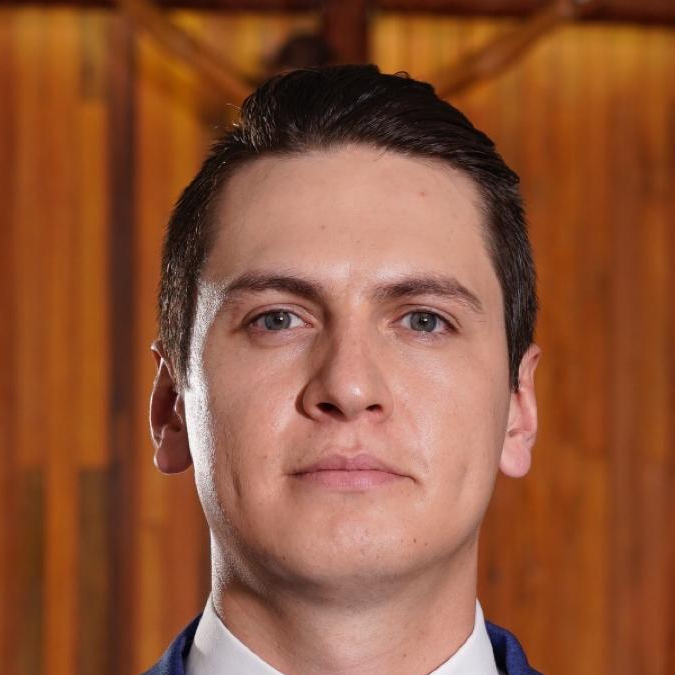 As an expert in sustainability, life cycle assessment, circular economy, and green chemistry, Nicolas possesses valuable skills and knowledge that can assist companies in developing and implementing sustainable and environmentally-friendly business models. They can achieve this by utilizing eco-friendly materials, improving manufacturing processes, reducing waste and hazardous chemical use, and advocating for the use of safer and more sustainable alternatives.
 Karan is an experienced professional who has worked in multiple geographies and roles along his career. He holds a total of 10+ years of experience in manufacturing operations, and has focused his efforts towards finding solutions for waste recovery and making recovery economical for industries.
  With several years of research experience in France and Canada, Fabien lends his expertise and passion for enzymology and microbiology to 5REDO’s sustainability innovation plans.
  With her significant hands-on experience in developing and characterizing biological and chemical systems, Vicky plays a key role in 5REDO’s efforts toward developing novel products and technologies that offer improved circularity and sustainability to the industry and society.
  As a recent graduate of chemical engineering from the University of Waterloo, Kyle brings his passion for impactful innovation and his experience with novel recycling processes to 5REDO to support our technology development initiatives.
  As our Senior Research Scientist, Hormoz draws on his eight years of industrial and nine years of academic research experience in the areas of polymer science and engineering to develop new solutions for advancing circularity and sustainability.
 Shauna is a freelance journalist that covers a wide range of topics, including health, education, the environment, travel, lifestyle trends, and more. She holds a Master of Journalism from Carleton University, and a Bachelor of Arts (Honours) in Global Development from Queen’s University.
 By leveraging her expertise in life cycle analysis and process engineering, Ophela helps 5REDO to take a holistic approach to the development of circular solutions and technologies.
  As the co-founder of 5REDO, Forough brings her expertise in supply chain management, business operations, inventory control, and revenue management to support the implementation of circular solutions within different industry sectors.
 With a passion for driving change and creating impact, Mahdi co-founded 5REDO to promote circular economy principles in Canada. He’s an alumnus of the 2021 Ellen MacArthur Foundation’s ‘From Linear to Circular Programme.’ Mahdi played a pivotal role in developing and managing the University of British Columbia’s (UBC) Circular Economy Seed Funding program, fostering partnerships between companies and academic researchers to co-create circular solutions.